
Buffalo, Couch, Kikuyu or Zoysia: Which Fertiliser Is Best for Your Australian Lawn?

Choosing the best fertiliser for your lawn depends on more than the fertiliser itself. Your grass species, soil condition, climate and time of year all influence what your lawn needs.
Buffalo, Couch, Kikuyu and Zoysia are four of the most common warm-season lawn grasses in Australia. While they share many characteristics, they differ in growth rate, nitrogen demand, shade tolerance and how they respond to fertiliser.
Understanding these differences can help you choose the right lawn fertiliser, apply it at the right time and avoid excessive growth, nutrient imbalances and unnecessary expense.
Buffalo vs Couch vs Kikuyu vs Zoysia
Buffalo, Couch, Kikuyu and Zoysia are warm-season C4 grasses. They generally grow most actively when temperatures and soil temperatures are warm, with growth slowing during cooler periods. In southern Australia, winter growth can reduce significantly or stop altogether depending on the climate and grass species. In subtropical and tropical Queensland, warm-season grasses can continue growing through much of winter, although growth may still slow during cooler conditions. Because nutrient demand generally increases when the grass is actively growing, fertiliser programs should be adjusted according to both grass type and growing conditions.
| Grass | Growth Rate | Nitrogen Demand | Key Consideration |
|---|---|---|---|
| Buffalo | Moderate | Moderate | Avoid excessive nitrogen and rapid growth |
| Couch | High | Moderate to high | Strong response to nitrogen during active growth |
| Kikuyu | Very high | Moderate to high | Vigorous growth makes nitrogen management important |
| Zoysia | Slow to moderate | Low to moderate | Consistent feeding is generally preferable to heavy applications |
Buffalo Grass Fertiliser Requirements
Botanical name: Stenotaphrum secundatum
Buffalo is widely used in Australian homes because of its shade tolerance, durability and relatively moderate maintenance requirements.
Nitrogen needs: Buffalo responds to nitrogen but generally does not require the same level of nitrogen as more vigorous grasses such as Kikuyu. Excessive nitrogen can encourage:
- Rapid, soft growth
- More frequent mowing
- Increased thatch accumulation
- Greater demand for water and maintenance
Moderate, controlled nitrogen is generally preferred.
Potassium needs: Potassium plays an important role in overall plant function and can support turf stress tolerance, particularly during periods of heat and water stress.
Iron needs: Iron can improve the green colour of Buffalo without supplying significant nitrogen. This makes iron useful when improved colour is desired without deliberately encouraging additional growth.
Recommended Fertiliser Approach: Use a controlled- or slow-release fertiliser as the nutritional foundation during periods of active growth. Liquid fertilisers or iron products can then be used selectively when the lawn requires a quicker response or additional colour. Where soil testing indicates that pH needs adjustment, address the underlying soil condition rather than simply increasing fertiliser applications. A controlled-release product such as CHAMPION Lawn & Fairway Sustained Release Fertiliser can provide steady nutrient availability, while products such as Liquid Iron or Iron Chelate can be used when additional iron is required.
Couch Grass Fertiliser Requirements
Botanical name: Cynodon dactylon
Couch is commonly used for residential lawns, sports fields and other high-traffic areas because of its wear tolerance, vigorous growth and ability to recover from damage.
Nitrogen needs: Couch generally has a higher nitrogen demand than slower-growing turf types such as Zoysia, particularly during active growth. Insufficient nitrogen can contribute to poor colour, reduced density and slower recovery. However, repeated applications of high levels of quick-release nitrogen can result in rapid growth and increased mowing requirements. Controlled-release nitrogen can provide more consistent nutrition while reducing sudden growth surges.
Potassium needs: Potassium contributes to overall turf health and stress tolerance and can be particularly useful during periods of heat, drought or heavy use.
Iron needs: Iron can improve turf colour without providing significant nitrogen. It is commonly used when a deeper green appearance is desired without deliberately increasing vegetative growth.
Recommended Fertiliser Approach: Use a controlled- or slow-release fertiliser as the foundation of the feeding program during active growth.Liquid fertilisers can be used strategically when the lawn requires a faster nutritional response. The exact program should be adjusted according to grass growth, soil condition, weather and the lawn's overall nutrient requirements.
Kikuyu Fertiliser Requirements
Botanical name: Cenchrus clandestinus
Kikuyu is one of Australia's most vigorous warm-season turf grasses. It performs particularly well in warm climates and can spread and recover rapidly when conditions are favourable.
Nitrogen needs: Kikuyu responds strongly to nitrogen during active growth. Too little nitrogen can result in reduced colour and density, while excessive nitrogen can produce rapid top growth and increase mowing requirements. Slow- or controlled-release nitrogen can help provide a steadier supply of nutrients rather than creating large growth surges.
Soil pH: Kikuyu generally performs well in mildly acidic to neutral soils. In high-rainfall regions, soil acidity can increase over time as nutrients and basic cations are leached from the soil. If soil testing indicates that pH is too low, lime may be used to raise soil pH and supply calcium. Dolomite can supply both calcium and magnesium while also increasing soil pH. Amendments should be guided by soil testing rather than applied automatically.
Recommended Fertiliser Approach: Use controlled nitrogen during periods of active growth and avoid repeated high applications of quick-release nitrogen.If the lawn is struggling despite adequate fertilisation, consider whether soil pH, compaction, drainage or other soil conditions could be limiting root development and nutrient availability.
Zoysia Grass Fertiliser Requirements
Zoysia is a slower-growing warm-season turf that produces dense, attractive growth and generally requires less nitrogen than more vigorous grasses such as Couch and Kikuyu.
Nitrogen needs: Zoysia generally has a lower nitrogen requirement. Excessive nitrogen can encourage unnecessary vertical growth, increase mowing requirements and potentially contribute to thatch accumulation. Low to moderate nitrogen supplied gradually is generally preferable to heavy applications.
Potassium needs: Potassium contributes to overall plant health and stress tolerance and can be particularly valuable when turf is exposed to heat or dry conditions.
Iron needs: Iron can be used to improve turf colour where required without significantly increasing nitrogen-driven growth.
Recommended Fertiliser Approach: Use a controlled- or slow-release fertiliser as the foundation of the feeding program. Avoid excessive nitrogen applications and use liquid products selectively when a quicker response is required. For Zoysia, consistency is generally more effective than intensity.
When Should You Fertilise Buffalo, Couch, Kikuyu and Zoysia?
Warm-season grasses generally require more nutrition when they are actively growing and less when growth slows.
| Grass | Main Feeding Period | Key Consideration |
|---|---|---|
| Buffalo | Spring and summer | Use moderate, controlled nitrogen |
| Couch | Spring and summer | Nitrogen demand increases during active growth |
| Kikuyu | Spring and summer | Vigorous growth means nitrogen should be managed carefully |
| Zoysia | Late spring and summer | Use lower, consistent nutrition rather than heavy applications |
These are general guidelines rather than fixed dates. Climate makes a significant difference. In Queensland and other warm regions, Buffalo, Couch, Kikuyu and Zoysia may remain active for longer than they do in southern Australia. Rather than fertilising simply because the calendar says it is time, look at whether the lawn is actively growing. Fertilising during periods of limited growth can provide less benefit and may increase the risk of nutrient losses.
Soil pH and Lawn Fertiliser
Fertiliser effectiveness depends partly on the condition of the soil it is applied to. Soil pH influences the availability of different nutrients. When soil pH moves outside the preferred range for the turf and soil type, the availability of certain nutrients can change. This can contribute to poor growth or nutrient deficiencies even when nutrients have been applied. Rather than automatically applying lime or other soil amendments, test the soil first.
If soil testing indicates that the soil is too acidic, lime can be used to raise pH and supply calcium. Dolomite can supply calcium and magnesium while also increasing soil pH. Testing before applying amendments helps avoid unnecessary applications and over-correction.
Do Soil Conditioners and Biostimulants Help Lawns?
Fertiliser provides nutrients, but nutrient supply is only one part of lawn health. Soil structure, organic matter, compaction, water availability, drainage and root development can all influence how effectively turf can access and use nutrients. This is where soil conditioners and biostimulants can complement a fertiliser program.
Humic Acid: Humic substances can contribute to soil conditioning and influence nutrient retention, particularly in soils with low organic matter. Humic acid products are commonly used as part of broader soil-management programs to support soil function and nutrient availability. Products such as Humic Acid Concentrate can complement a fertiliser program, but they do not replace the nitrogen, phosphorus and potassium required for turf growth.
Fulvic Acid: Fulvic substances are soluble organic compounds that can interact with nutrients and are commonly used in soil and plant nutrition programs. Fulvic acid can complement a fertiliser program where the goal is to support nutrient availability and plant nutrition. Like humic acid, fulvic acid should be viewed as a complement to fertilisation rather than a replacement for essential plant nutrients.
Seaweed extracts: Seaweed extracts are commonly used as plant biostimulants and contain a range of naturally occurring compounds and trace elements. They are commonly included in lawn-care programs to support:
- Root development
- Stress tolerance
- Recovery from heat and mowing
- Overall plant health
Products such as Seaweed Secrets are best viewed as plant stimulants and soil conditioners rather than primary fertilisers. They complement, but do not replace, a balanced nutrient program.
How to Choose the Right Lawn Fertiliser
There is no single fertiliser that is best for every Australian lawn. When choosing a fertiliser, consider:
- Grass species: Different grasses have different growth rates and nitrogen requirements.
- Growth stage: Nutrient demand generally increases when the lawn is actively growing.
- Soil condition: Compaction, drainage, organic matter and soil pH can all affect turf performance.
- Nutrient requirements: Nitrogen, potassium and other nutrients should be supplied according to the needs of the lawn.
- Release rate: Controlled- and slow-release fertilisers can provide more consistent nutrition than relying entirely on quick-release products.
- Colour requirements: Iron can be useful when improved colour is desired without significantly increasing nitrogen supply.
- Soil testing: Testing can help identify pH or nutrient issues before amendments are applied.
For many Australian lawns, a straightforward program can combine a primary fertiliser with products that support broader soil and plant health. CHAMPION Lawn & Fairway Sustained Release Fertiliser can be used as the primary fertiliser component, providing controlled nutrient release to support steady turf growth. The Lawn Lovers Pro Pack can then complement the fertiliser program with products designed to support soil condition, root health, nutrient availability, stress tolerance and overall lawn performance. The exact combination and frequency should still be adjusted according to grass species, climate, season, soil condition and the needs of the individual lawn.
The goal of lawn fertilisation isn't maximum growth. It is balanced, healthy growth. Buffalo, Couch, Kikuyu and Zoysia all have different growth characteristics and nutrient requirements, but all four perform better when fertiliser is matched to the grass, season and soil conditions. Applying nutrients at the right time, avoiding excessive nitrogen and addressing underlying soil issues can help produce a healthier, more manageable lawn while reducing unnecessary inputs.
Grass type guides what your lawn needs. Soil condition determines how effectively it can use it.
Products in this article
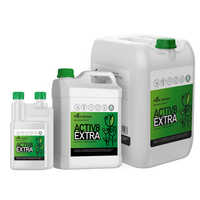
Activ8EXTRA High Nitrogen Liquid Lawn Fertiliser & Plant Growth Booster
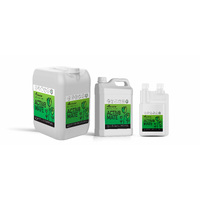
Activ8mate Liquid Fertiliser Inoculant - For use on Plants, Lawns, Veggies, Trees, Natives
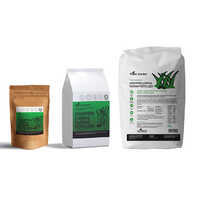
CHAMPION Lawn & Fairway - Slow release granular fertiliser
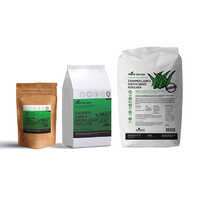
CHAMPION Lawn & Greens grade granular mini-prill fertiliser with 3.5% iron

Fulvic Acid Liquid - a powerful bio stimulant
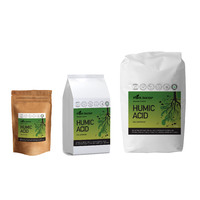
Humate / Humic Acid (45-50%) Granules (2-4mm) - Cert. Organic
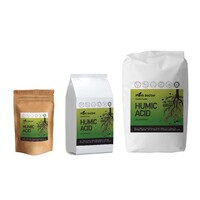
Plant Doctor Humic acid 80% (Humate) Powder - 99% Soluble

Quantum H - Humic Acid Soil Conditioner for Lawns & Gardens
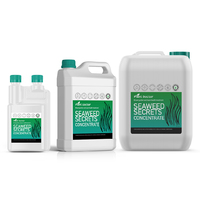
Seaweed Secrets | Concentrated Liquid Seaweed (Kelp) | Super-Boosted with Humic & Fulvic Acid

Leave a comment