
Fertilisers in Australia: What Every Lawn Enthusiast and Gardener Needs to Know
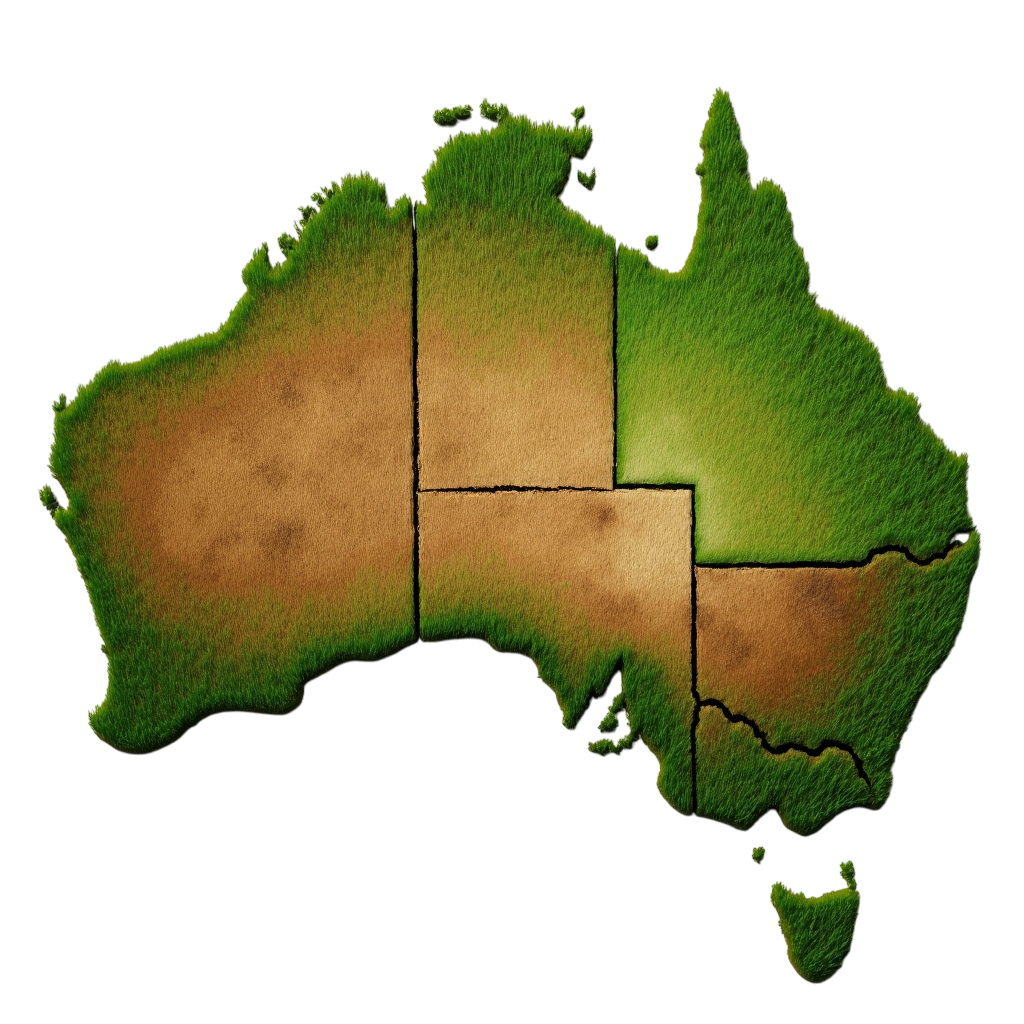 Choosing the right fertiliser can make a big difference to the health of your lawn, garden and plants — but more fertiliser isn't always better.
Australian growing conditions can vary dramatically. Sandy coastal soils, heavy clay, compacted lawns, dry conditions and high rainfall can all affect how plants access nutrients. The right fertiliser therefore depends on what you're growing, your soil, your climate and what you're trying to achieve.
In this guide, we'll explain the different types of fertiliser, what NPK numbers mean, how to choose the right fertiliser for your lawn or garden, when to fertilise and how to avoid common mistakes.
What Is a Fertiliser?
Fertiliser is a product that supplies plants with nutrients they need for healthy growth. Plants require a range of nutrients, including the three primary nutrients commonly shown on fertiliser labels:
- Nitrogen (N) – supports leafy growth and chlorophyll production.
- Phosphorus (P) – supports root development, energy transfer, flowering and reproduction.
- Potassium (K) – supports water regulation, plant structure, stress tolerance and overall plant health.
Fertilisers can also contain secondary nutrients and trace elements such as calcium, magnesium, sulphur, iron, zinc and manganese. The important thing to remember is that different plants and growing conditions have different nutrient requirements. A fertiliser that works well for a fast-growing lawn isn't necessarily the best choice for a native garden or flowering plants.
What Do the NPK Numbers on Fertiliser Mean?
If you've ever looked at a fertiliser bag and wondered what numbers such as 8-1-4 or 16-2-10 mean, you're looking at the product's NPK analysis.
|
N Nitrogen |
Nitrogen is particularly important for leafy growth and chlorophyll production. It is one of the key nutrients required to maintain healthy, green lawns and vigorous foliage. |
What Does 8-1-4 Mean? An 8-1-4 fertiliser contains:
For example, Plant Doctor Activ8Mate is an 8-1-4 liquid fertiliser designed to provide plant-available nutrition alongside organic inputs and soil-supporting components. A different ratio, such as 16-2-10, provides a different nutrient balance and may be more appropriate for particular applications. The best NPK ratio isn't simply the one with the biggest numbers. It is the one that suits the plant, soil and growing conditions. |
|---|---|---|
|
P Phosphorus |
Phosphorus plays an important role in root development, energy transfer, flowering and reproduction. However, more phosphorus isn't necessarily better. Many Australian native plants have evolved in naturally low-phosphorus soils and some species are particularly sensitive to high phosphorus levels. |
|
|
K Potassium |
Potassium supports a range of plant processes, including water regulation, photosynthesis, plant structure and stress tolerance. |
Liquid vs Granular Fertiliser: Which Is Better?
There isn't one universal winner. Liquid and granular fertilisers have different characteristics and can both be useful.
|
Liquid Fertiliser |
Liquid fertilisers are diluted and applied to plants or soil, depending on the product. They can be useful when you want:
|
Plant Doctor Activ8Mate is an example of a liquid fertiliser designed for lawns, gardens and plants. |
|---|---|---|
| Granular Fertiliser |
Granular fertilisers are applied directly to the soil and can provide nutrients over a longer period, depending on the formulation. They can be particularly useful for:
|
Champion Lawn and Fairway Fertiliser is designed to provide controlled nutrient availability over an extended period. |
So Which Should You Choose?
Rather than asking whether liquid or granular fertiliser is "better", consider the following questions:
- What are you growing?
- How quickly do you need nutrients available?
- How frequently do you want to apply fertiliser?
- What does your soil need?
A combination of different fertiliser types can also be useful as part of a broader plant and soil management program.
Which Fertiliser Does Your Lawn or Garden Need?
One of the easiest ways to choose a fertiliser is to start with what you're growing and what you're trying to achieve.
|
For Lawns |
Warm-season lawns such as Buffalo, Couch and Kikuyu are active growers during the warmer months and generally benefit from appropriate nutrition during periods of active growth. For general lawn feeding, Activ8Mate provides an 8-1-4 NPK formulation alongside organic inputs and other plant-supporting ingredients. For longer-term granular feeding, Champion Lawn and Fairway Fertiliser provides sustained-release mineral nutrition and is particularly suited to lawn and turf applications. The best lawn fertiliser program will depend on the grass variety, season, soil condition, rainfall and existing nutrient levels. |
|---|---|
| For Vegetables and Leafy Plants |
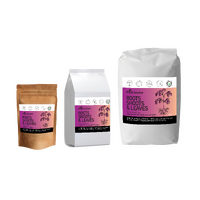
Vegetables have different nutrient requirements depending on what you're growing. Leafy vegetables generally have a greater demand for nitrogen, while flowering and fruiting crops have different nutritional requirements throughout their growth cycle.Roots, Shoots & Leaves is a granular 16-2-10 fertiliser designed for applications where strong vegetative growth and balanced nutrition are required. For vegetable gardens, always consider the crop, soil condition and existing nutrient levels rather than applying fertiliser simply because plants aren't growing as quickly as expected. |
| For Flowers, Fruit and Fruiting Plants |
Flowering and fruiting plants require balanced nutrition throughout their growing cycle. Both the liquid and granular forms of Flowers, Fruits & Roots is formulated to support plants during budding, flowering and fruiting, with a higher potassium component alongside other nutrients. It can be used as part of a broader feeding program for flowering plants, fruiting plants and garden beds. Remember that flowering or fruiting problems aren't always caused by a lack of fertiliser. Light, water, temperature, pollination, pests, disease and root conditions can all affect flowering and fruit production. |
| For Native Plants |
Australian native plants aren't all the same. Some native species are adapted to nutrient-poor soils, and certain plants, particularly phosphorus-sensitive species such as some Grevilleas and Banksias, can be adversely affected by excessive phosphorus. When fertilising native plants:
Always check the requirements of the particular native species you're growing. |
Special Considerations for Australian Plants: In Australia, you'll often find fertilisers with a low phosphorus content, especially for native plants like Grevilleas, Banksias, and Kangaroo Paw. These plants are sensitive to high phosphorus levels, and too much can harm their growth. Look for products marked with a P ratio below 3 to ensure you're giving your natives the right balance of nutrients. Activ8mate’s 1% phosphorus makes it a suitable option for native plant care, ensuring you’re providing essential nutrients without overloading your plants with excess phosphorus.
What About Seaweed, Humic Acid and Soil Conditioners?
Not everything you apply to your lawn or garden is technically a fertiliser. This is an important distinction. Products such as seaweed extracts, humic acids and soil wetting agents can complement a fertiliser program, but they perform different roles.
|
Seaweed |
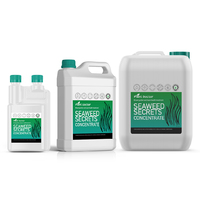
Seaweed products are commonly used as plant and soil biostimulants rather than as a replacement for a complete fertiliser program. Seaweed Secrets is a concentrated liquid seaweed product containing seaweed extract along with naturally occurring compounds that can be incorporated into a broader plant and soil management program. Think of seaweed as a complement to fertilising, not a replacement for providing the nutrients your plants require. |
|---|---|
| Humic Acid |
Humic acid is a natural component of soil organic matter and can be used as a soil conditioner. Products such as Quantum H can complement a fertilising program by supporting soil condition and nutrient availability. |
| Soil Wetting Agents |
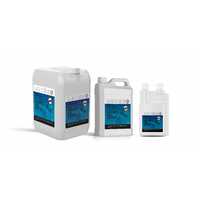
Sometimes the problem isn't that your soil lacks fertiliser. It may be that water isn't moving through the soil effectively. Nature’s Soil Wetter is designed to improve water penetration by reducing surface tension, helping water move more effectively into the growing media or soil. |
| Gypsum |
Gypsum is another product that should not be confused with conventional fertiliser. Micronised Gypsum supplies calcium and sulphur and can be useful for addressing particular soil structure and soil chemistry issues. It isn't a replacement for fertiliser, and it isn't necessary for every soil. |
The key lesson is simple: Fertiliser supplies nutrients. Soil conditioners and amendments address other aspects of the growing environment.
When Should You Fertilise in Australia?
There isn't one fertilising schedule that works for every Australian garden. Your ideal timing depends on: Plant variety; Climate; Season; Soil type; Rainfall; Plant growth rate; Fertiliser formulation; Existing nutrient levels.
|
For Lawns |
Warm-season lawns such as Buffalo, Couch and Kikuyu generally become more actively growing as temperatures rise. This is when an appropriate fertilising program becomes increasingly important. During cooler periods, growth slows and plants generally require less feeding. |
|---|---|
| For Vegetables and Leafy Plants |
Vegetable gardens can require regular nutrition because plants are continually removing nutrients from the soil as they grow. However, feeding requirements vary significantly between crops. |
| For Flowers, Fruit and Fruiting Plants |
Flowering and fruiting plants may benefit from changing nutritional requirements throughout their growing cycle. |
| For Trees and Shrubs | Established trees and shrubs don't necessarily need frequent fertilising. Their requirements depend on the species, soil, growth rate and growing conditions. |
The Golden Rule
Follow the instructions for the particular fertiliser you're using.
Different fertilisers have different nutrient concentrations and release characteristics, so one product's application schedule shouldn't automatically be applied to another.
| Here's an example of a feeding schedule: | ||
|---|---|---|
|
For Lawns |
For lawns like Kikuyu, Couch, and Buffalo, regular feeding during the growing season is key. Apply liquid fertiliser every 2–4 weeks in spring and summer for that vibrant, thick lawn you desire. In cooler months, reduce the feeding to help the lawn conserve energy and avoid unnecessary growth. |
Activ8mate (8-1-4 NPK) – For all-season care. Its NPK ratio of 8-1-4 ensures your lawn stays green and healthy, while its organic ingredients promote soil health, aeration, and moisture retention. Plus, it’s safe for the environment and pets, so you can feed your lawn with peace of mind. |
| For Vegetables and Leafy Plants |
Veggies need steady nutrient supply for continuous growth. Fertilising with liquids every 2–4 weeks helps keep them strong and productive. And ues a granular high nitrogen fertilser every 2-3 months. |
Roots, Shoots & Leaves (16-2-10 NPK) – For outdoor vegetables. With its 16-2-10 NPK ratio, this granular fertiliser is high in nitrogen, which promotes healthy leaf and root development. Its slow-release formula ensures a steady supply of nutrients for your vegetables, and it’s packed with beneficial microbes that boost disease resistance. For best results, apply every 2-3 months or as required, depending on the season. |
| For Flowers, Fruit and Fruiting Plants |
Outdoor flowers need consistent feeding to promote healthy blooms. Apply fertiliser monthly to encourage strong growth and vibrant blossoms |
Liquid Fertiliser for Flowers, Fruits & Roots – With its high Potassium (K) content, which supports healthy flower and fruit development. Its carefully formulated blend of nutrients, including Phosphorous and Iron, provides the perfect balance for blooming plants. It also improves seed germination and promotes stronger roots and trunks. As an added bonus, the powerful microbial stimulant in this fertiliser helps protect against disease, making it an all-around great option for flowering plants and fruiting trees. |
| For Trees and Shrubs |
Trees and shrubs prefer slow-release fertilisers that provide a steady supply of nutrients over time. Apply fertiliser twice a year to ensure strong roots and healthy growth. |
Stimulizer – A bio-stimulant and soil conditioner that works year-round. It contains over 75 minerals, humic acid extracts, and natural stimulants, improving nutrient availability and encouraging strong root growth. Stimulizer also enhances soil structure and microbial activity, making it perfect for trees and shrubs needing that extra boost. Roots, Shoots & Leaves (16-2-10 NPK) – For shrubs and trees that require a granular approach. Its rich NPK blend (16-2-10) offers a high nitrogen boost that promotes rapid growth and strong root development. It also contains added zeolite, which helps reduce nutrient leaching, making it a more sustainable choice for long-term tree care. |
| For Indoor Plants |
Indoor plants, including succulents, ferns, and ornamental varieties, thrive on a lighter, more frequent feed. Feed every 4–6 weeks with a mild liquid fertiliser to keep them healthy and vibrant. |
Indoor Plant Rescue Remedy & Multi-Vitamins (500ml) – This seaweed-based solution offers vital micro-nutrients that your indoor plants crave, improving soil structure and moisture retention. It’s a rescue remedy for plants that need a boost and helps to optimise root absorption for overall better plant health. |
How Do You Know If Your Plant Has a Nutrient Deficiency?
Plants can sometimes give you clues when something isn't right. However, nutrient deficiency symptoms can overlap with problems such as overwatering, underwatering, poor drainage, pests, disease, root damage and unsuitable growing conditions. Don't automatically reach for fertiliser whenever a leaf changes colour. Here are some common examples.
| Yellowing Leaves? → Nitrogen Deficiency (Common in Lawns) | One of the most frequent signs of nitrogen deficiency is yellowing leaves, particularly in the lower parts of the plant or grass blades. Nitrogen is crucial for leaf growth and overall plant vitality, and a lack of it can result in poor growth, stunted plants, and yellow foliage. |
|---|---|
| What's Happening? | Nitrogen is vital for chlorophyll production, which gives plants their green colour. Without it, plants can’t photosynthesise effectively, leading to weakened growth. |
| Common Offenders | Lawns, leafy vegetables like spinach, and plants in high-traffic areas or poor soil conditions. |
| How to Fix It | Apply high-nitrogen fertilisers like Roots, Shoots & Leaves, which is tailored to promote healthy, green growth. Additionally, Stimulizer, with its mineral-rich formula, can help improve soil health and boost nitrogen availability for your plants. |
| Purple or Reddish Leaves? → Phosphorus Deficiency (Watch for this in Tomatoes) | If your plants have a purple or reddish hue on their leaves, especially the older ones, you might be dealing with a phosphorus deficiency. Phosphorus is essential for energy transfer, root development, and flowering. |
|---|---|
| What's Happening? | Phosphorus plays a crucial role in root development and flowering. Without it, plants struggle to establish strong roots and may not flower or fruit properly, which is especially problematic for fruiting crops like tomatoes and capsicum. |
| Common Offenders | Tomatoes, peppers, and other fruiting plants. |
| How to Fix It | Use fertilisers with a high phosphorus content like Liquid Fertiliser for Flowers, Fruits & Roots, which supports robust flowering and fruiting. Phosphorus is often less mobile in the soil, so it’s important to apply it directly where it’s needed and avoid overwatering, which can leach away this essential nutrient. |
| Brown Leaf Edges? → Potassium Deficiency (Common in Fruit Trees) | Brown edges on leaves, particularly on the tips or margins, often signal a potassium deficiency. Potassium is essential for overall plant health, including water regulation, disease resistance, and fruit development. |
|---|---|
| What's Happening? | Potassium helps plants manage water uptake, photosynthesis, and protein synthesis. Without enough potassium, plants may show signs of stress, such as browning leaf edges, especially in fruit-bearing trees. |
| Common Offenders | Fruit trees like apples, citrus, and tomatoes. |
| How to Fix It | Apply a potassium-rich fertiliser to support fruit and root development. Liquid Fertiliser for Flowers, Fruits & Roots has a high potassium (K) content and can help promote healthier fruiting and flowering plants. It also provides a microbial stimulant that can enhance soil structure, which helps retain potassium. |
| Yellowing Between Leaf Veins? → Iron Deficiency (Seen in Alkaline Soils) | When you notice yellowing between the veins of leaves, but the veins remain green, it's typically a sign of iron deficiency. This condition is common in alkaline soils where iron becomes less available to plants. |
|---|---|
| What's Happening? | Iron is essential for chlorophyll production, just like nitrogen. However, iron deficiency doesn’t affect overall plant growth as much as nitrogen does. It does, however, result in poor chlorophyll production, leading to the characteristic yellowing between leaf veins. |
| Common Offenders | Plants in alkaline soils, including acid-loving plants like camellias, azaleas, and magnolias. |
| How to Fix It | For quick results, apply a liquid iron supplement, such as Plant Doctor's Liquid Iron Fertiliser. For longer-term soil improvement, consider using Fulvic Acid Concentrate, which helps to improve nutrient uptake and unlock iron from the soil. Fulvic acid also helps adjust soil pH, making it easier for your plants to access other nutrients. |
Quick Fixes for Nutrient Deficiencies
- Liquid Iron: Fast-acting solution for iron deficiencies, preventing yellowing between leaf veins.
- Fulvic Acid Concentrate: Improves nutrient availability and microbial activity, helping plants absorb essential nutrients like iron, nitrogen, and potassium.
Nutrient deficiencies often indicate imbalanced soil. If you notice any of these symptoms, it's essential to diagnose the issue and treat it promptly with the right products.
- Stimulizer: Great for overall soil health improvement.
- Liquid Iron: Addresses iron deficiencies.
- Liquid Fertiliser for Flowers, Fruits & Roots: Ideal for addressing potassium and phosphorus shortages.
By paying attention to your plants' signs, you’ll help them grow stronger, healthier, and more resilient.
Can You Over-Fertilise Your Plants?
While fertilisers can be a game-changer for plant health, overdoing it can lead to several problems. It's crucial to strike the right balance when feeding your plants. Too much fertiliser, especially high-nitrogen products, can cause harm to both plants and the environment.
Here’s a closer look at the potential consequences of over-fertilising:
Root Burn (Too Much Nitrogen): Excess nitrogen can burn your plants' roots, causing them to become weak, discoloured, and unable to take up water properly. This is particularly common when fertiliser is applied too heavily or too frequently. High nitrogen levels create an imbalance in the soil, leading to a high osmotic pressure that dehydrates the roots, causing them to suffer.
How to Spot It: Plants showing signs of root burn often have brown, crisp edges on their leaves or wilting despite regular watering. The growth may also become stunted or leggy, as the plant struggles to absorb the nutrients it needs.
Weak, Overgrown Plants (Excess Nutrients): While it may seem like a boost of fertiliser would result in a thriving garden, too much fertiliser can actually weaken your plants over time. Excess nutrients, especially nitrogen, can lead to rapid, excessive growth, resulting in soft, spindly plants that are more susceptible to diseases, pests, and environmental stress.
How to Spot It: Over-fertilised plants may have large, soft leaves, but they lack strength and vigour. They may also be more prone to pest attacks and may even collapse under their own weight, especially if they have been over-fertilised during their early growth stages.
Water Pollution (Runoff into Waterways): One of the most serious consequences of over-fertilising is the pollution of local waterways. Excess nutrients, especially nitrogen and phosphorus, can wash off the soil and into rivers, lakes, and streams during rainstorms or watering. This runoff leads to eutrophication, a process where excessive nutrients cause algal blooms that deplete oxygen levels, harming aquatic life.
How to Spot It: If you notice excessive algae growth in local ponds, lakes, or streams, it could be a sign of fertiliser runoff from surrounding gardens or agricultural areas. This can cause long-term damage to ecosystems.
| How to Avoid Over-Fertilising: | |
|---|---|
| Always Measure Fertiliser Carefully | It’s essential to follow the recommended application rates on the fertiliser packaging or guidance from your plant care instructions. Overestimating the amount of fertiliser can be more harmful than helpful. Using a measuring spoon, scale, or applicator ensures that your plants get the correct amount of nutrients without overloading the soil. |
| Apply Before Rain, But Not During Heavy Storms | Applying fertiliser before rain can be beneficial, as it allows the nutrients to be absorbed into the soil efficiently. However, avoid applying during heavy storms as rainfall can wash away excess fertiliser, causing runoff and nutrient pollution. A light, steady rain is ideal for helping fertiliser seep into the soil without excess loss. |
| Use Slow-Release Fertilisers for Long-Term Feeding | Instead of relying on quick-release, manufactured fertilisers that give an instant nutrient boost but can easily leach away, opt for slow-release or granular fertilisers that break down over time. This way, your plants will receive a consistent feed without the risk of nutrient overload. Fertilisers with natural ingredients, such as Plant Doctor’s Roots, Shoots & Leaves, are designed for steady, sustained release, improving plant growth and preventing over-fertilisation. |
How to Fertilise Responsibly
A good fertilising program isn't just about getting plants greener. It's also about using nutrients efficiently.
It’s critical to adopt responsible fertilisation practices that not only support plant health but also protect Australia’s waterways and marine environments. By following a few simple yet effective tips, we can all do our part to maintain a healthy balance between plant growth and environmental preservation.
Tips for Responsible Fertilising
Apply Fertiliser When Rain Isn’t Forecast for the Next 24 Hours: Timing is key when applying fertiliser. Always check the weather forecast before fertilising, and apply fertiliser when rain isn’t expected for the next 24 hours. This allows the fertiliser to be absorbed into the soil before heavy rains can wash it away.
Why it’s important: If you apply fertiliser just before a rainstorm, it can lead to runoff that washes the fertiliser into storm drains, rivers, and lakes. Giving it time to settle before rainfall helps reduce the potential for water pollution.
Avoid Fertilising Near Waterways or Storm Drains: Be mindful of where you’re applying fertiliser. Avoid spreading fertiliser near storm drains, rivers, lakes, or wetlands, as these areas are directly connected to the broader ecosystem. Fertiliser that enters these waterways can contribute to the harmful effects of eutrophication, which leads to algal blooms and oxygen depletion in aquatic environments.
Why it’s important: Even a small amount of fertiliser runoff can have a large impact on local waterways, especially in areas that are already stressed by urban development. By keeping fertiliser away from sensitive areas, you can help protect marine life and water quality.
Don't Fertilise Just Because Something Looks Unhealthy: First consider whether the problem could be caused by: Waterlogging; Drought; Compaction; Poor drainage; Pests; Disease; Root damage; Inappropriate light; Soil pH; Nutrient deficiency.
Why it’s important: Overuse of phosphorus-based fertilisers can lead to nutrient imbalances in the soil, causing harm to native plant species that are adapted to lower nutrient levels. It can also contribute to the build-up of phosphorus in the soil, which can then be washed away into local waterways, contributing to algal blooms.
Fertiliser Isn't the Whole Soil Health Story
Healthy plants need more than nutrients. Your soil also needs the right physical and biological conditions to support healthy roots. Factors such as:Soil structure, Compaction, Drainage, Water infiltration, Organic matter, pH, Salinity and/or Microbial activity can all influence plant performance. This is why a good plant-care program may involve more than simply adding fertiliser. You might use:
- Fertiliser → to supply nutrients.
- Seaweed → to support plant and soil biostimulation.
- Humic acid → to condition soil and support nutrient availability.
- Soil wetting agents → to improve water movement.
- Gypsum → where appropriate, to address particular soil structure or chemistry issues.
- Compost and mulch → to contribute organic matter and support broader soil health.
The goal isn't to use every product. It's to identify what your plants and soil actually need.
Which Plant Doctor Fertiliser Should You Choose?
Here's a simple starting point:
| Your Goal | Product to Consider |
|---|---|
| General liquid feeding for lawns and plants | Activ8mate |
| Sustained-release lawn and turf feeding | CHAMPION |
| Granular fertilising for leafy growth | Roots, Shoots & Leaves |
| Supporting flowering and fruiting plants | Flowers, Fruits & Roots |
| Addressing an iron deficiency | Liquid Iron |
| Complementing a fertilising program with seaweed | Seaweed Secrets |
| Supporting soil condition and nutrient availability | Quantum H / Humic Acid |
| Improving water penetration | Nature's Soil Wetter |
| Addressing suitable soil structure issues | Micronised Gypsum |
The right choice ultimately depends on your plants, soil and growing conditions.
| Frequently Asked Questions About Fertiliser | |
|---|---|
| What is the best fertiliser for Australian lawns? |
There isn't one fertiliser that is best for every lawn. Buffalo, Couch and Kikuyu lawns have different characteristics, while soil type, climate, season and existing nutrient levels also influence fertiliser requirements. Liquid fertilisers such as Activ8mate and granular products such as CHAMPION can both form part of a lawn feeding program. |
| Is liquid or granular fertiliser better? | Neither is universally better. Liquid fertilisers can provide readily available nutrition and convenient application, while granular and controlled-release fertilisers can provide longer-term feeding depending on the formulation. |
| What do NPK numbers mean? |
NPK stands for nitrogen, phosphorus and potassium. The three numbers on a fertiliser label indicate the percentage of each primary nutrient in the product. For example, 8-1-4 means 8% nitrogen, 1% phosphorus and 4% potassium. |
| Can you use lawn fertiliser in the garden? | Not necessarily. Different plants have different nutritional requirements. Always check that the fertiliser is suitable for the plant or application you're treating. |
| Does seaweed replace fertiliser? | Generally, no. Seaweed products are better thought of as plant and soil biostimulants that can complement a fertilising program. They don't necessarily provide all the nutrients required for complete plant nutrition. |
| How often should I fertilise? |
It depends on the plant, fertiliser formulation, season, climate and soil conditions. Always follow the application instructions for the specific product you're using. |
| Can you over-fertilise a lawn? | Yes. Applying too much fertiliser can damage plants, create nutrient imbalances and increase the risk of nutrient runoff. More fertiliser does not necessarily mean a healthier lawn. |
| Should I fertilise before rain? | Avoid applying fertiliser when heavy rainfall is expected, as nutrients can be washed away before they are effectively used by the plants or soil. |
Fertilise Smart, Grow Strong!
The best fertilising program isn't about applying the most fertiliser possible. It's about understanding what your plants need, choosing a suitable product, applying it correctly and looking after the soil that supports your plants. Whether you're feeding a Buffalo lawn, growing vegetables, establishing a garden bed or maintaining Australian native plants, start by identifying the problem you're trying to solve.
Feed the plant. Understand the soil. Apply with purpose.
Explore Plant Doctor's range of Australian fertilisers, soil conditioners and plant health products to build a program suited to your lawn and garden.
Products in this article
Activ8EXTRA High Nitrogen Liquid Lawn Fertiliser & Plant Growth Booster
Activ8mate Liquid Fertiliser Inoculant - For use on Plants, Lawns, Veggies, Trees, Natives
CHAMPION Lawn & Fairway - Slow release granular fertiliser
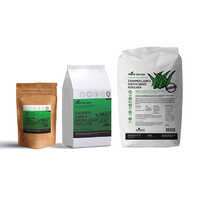
CHAMPION Lawn & Greens grade granular mini-prill fertiliser with 3.5% iron

Flowers, Fruits & Roots Granular Fertiliser - 8-2-20 NPK + T/E
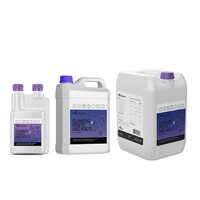
Flowers, Fruits & Roots liquid fertiliser - High in Potassium & buffered with Humic
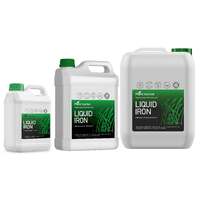
Liquid Iron Fertiliser - 7% Iron 3% Sulphur
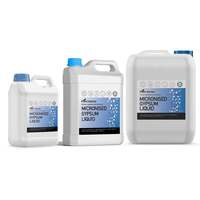
Micronised Gypsum Liquid Premium Clay Buster
Nature's Soil Wetter - Liquid Soil Conditioner & Wetting Agent

Quantum H - Humic Acid Soil Conditioner for Lawns & Gardens
Roots, Shoots & Leaves Controlled Release Granular Plant Fertiliser 16-2-10 NPK
Seaweed Secrets | Concentrated Liquid Seaweed (Kelp) | Super-Boosted with Humic & Fulvic Acid

Leave a comment