
How Fulvic Acid Supercharges Plant Nutrition Before the Growing Season
A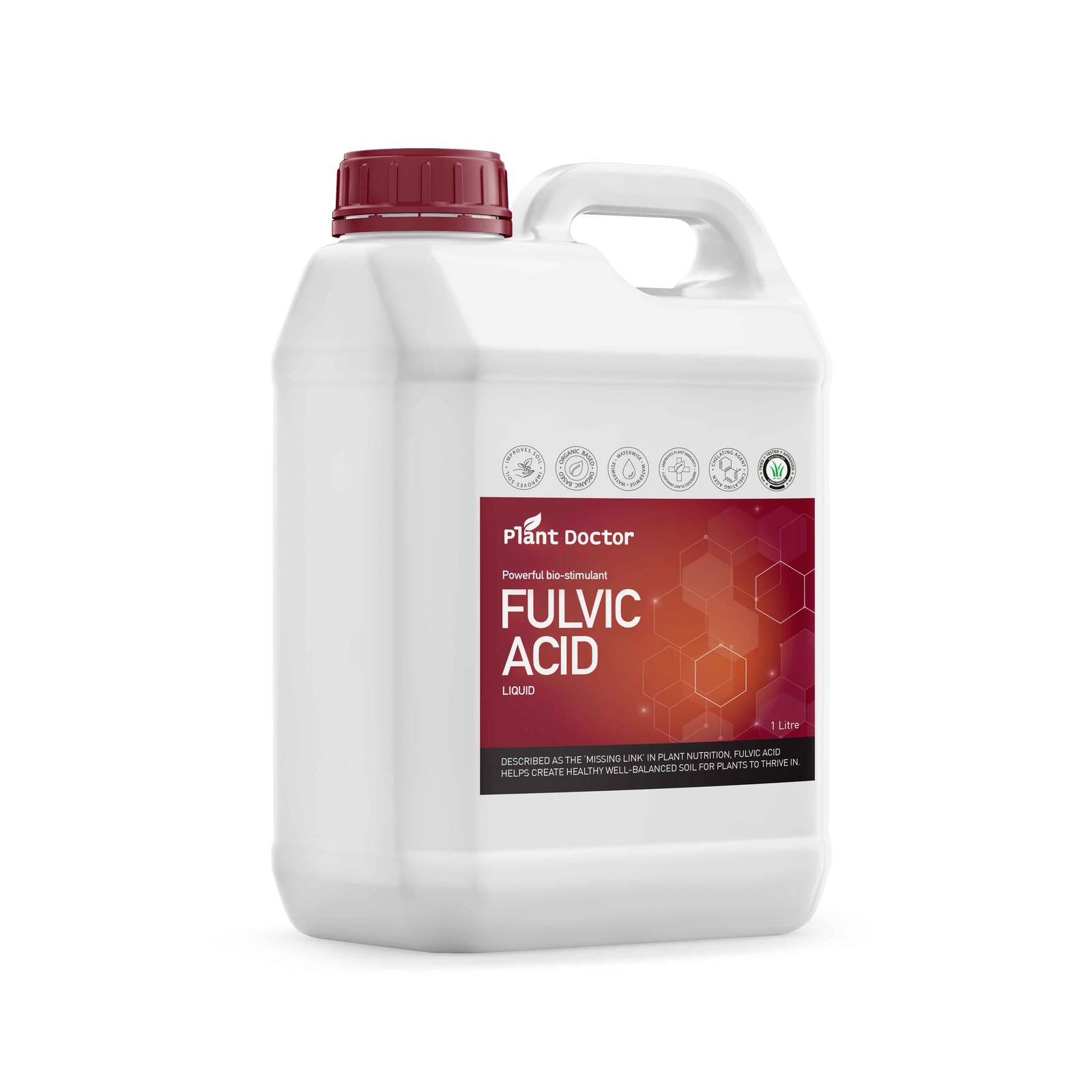 s winter draws to a close and your soil begins to stir, now is the time to act. What you do in late winter to early spring sets the tone for your entire growing season, especially when it comes to soil health and nutrient availability. That’s where fulvic acid comes in. Often overlooked, this natural organic compound can dramatically improve how your plants access nutrients, water, and even resist stress, all without harsh chemicals or excessive fertiliser use. Whether you’re a lawn lover, home gardener, or running a large horticulture setup, here’s why fulvic acid should be your first step heading into spring.
What Is Fulvic Acid?
Fulvic acid is a low-molecular-weight organic acid derived from decomposed plant matter and humus. It’s part of the humic substance family, alongside humic and ulmic acid, but it’s smaller, water-soluble across all pH levels, and can easily pass through plant cell membranes.
| Key traits: | Chemical Characteristics: | Sources: |
|---|---|---|
|
|
|
What does Fulvic Acid actually do?
Here’s why fulvic acid earns its place in your toolkit:
1. Chelation = Nutrient Unlocking |
Fulvic acid chelates (binds with) trace minerals, forming soluble complexes that are easily absorbed by plants. Think of it as a natural nutrient courier system, one that can grab onto iron, zinc, magnesium, and more, and bring them straight to your plant roots or leaves. | Research shows fulvic acid increases the bioavailability of micronutrients like iron (Fe), manganese (Mn), and copper (Cu) in soil and foliar applications (Chen et al., 2004). |
|---|---|---|
2. Boosts Nutrient Uptake Through Leaves and Roots |
Because fulvic acid is extremely small in molecular size, it can easily penetrate leaf and root cells, delivering nutrients directly into plant tissues. That means faster, more efficient feeding, especially helpful when soils are still warming up and sluggish. | Ideal for early-season liquid feeding when root activity is just restarting. |
3. Feeds Soil Biology |
Fulvic acid is a prebiotic for soil microbes. It enhances microbial activity, which in turn:
|
Fulvic substances stimulate beneficial rhizobacteria and arbuscular mycorrhizal fungi, key for phosphorus and nitrogen uptake (Tan, 2014). |
4. Improves Water Retention and Soil Structure |
Fulvic acid enhances soil crumb structure, especially in sandy or degraded soils. It improves CEC (Cation Exchange Capacity), helping soil hold nutrients and water more effectively. | |
5. Strengthens Stress Resistance |
Studies show plants treated with fulvic acid are better able to withstand:
This makes it perfect for that tricky late-winter to early-spring window, where conditions shift rapidly. |
Fulvic acid enhances chlorophyll content, root elongation, and antioxidant enzyme activity in plants under abiotic stress (Duan et al., 2021) |
Fulvic vs Humic Acid: What’s the Difference?
| Feature | Fulvic Acid | Humic Acid |
|---|---|---|
| Solubility | Soluble in all pH levels | Only soluble in alkaline |
| Molecular Size | Small (passes into plant cells) | Larger (remains in soil) |
| Best For | Foliar + root uptake | Long-term soil conditioning |
| Application | Fast-acting | Slow-release |
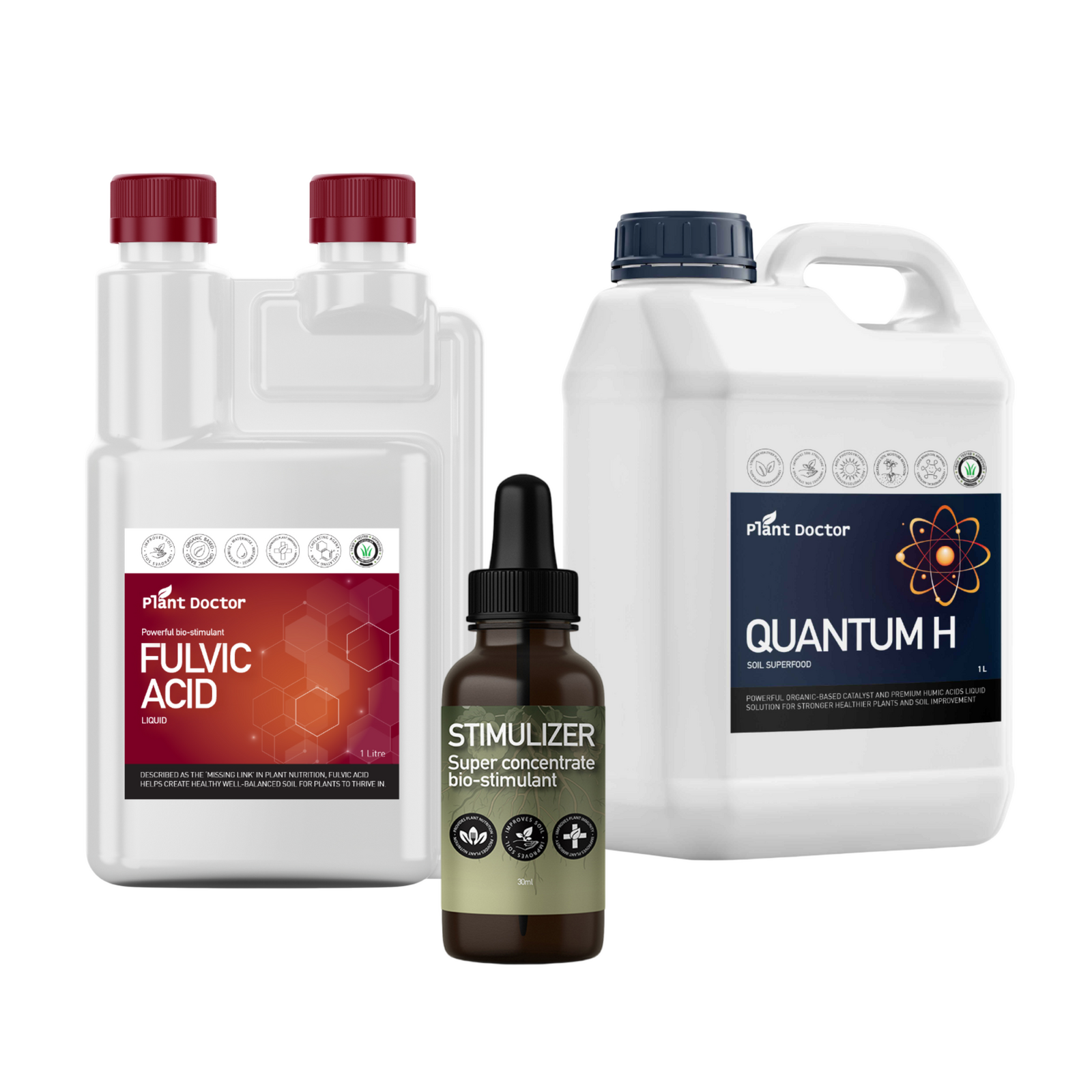
| Use both together for long-term and immediate effects, like Quantum H (humic) with Liquid Fulvic Acid. | ||
Science Snapshot: Fulvic Acid in Action
In a 2021 study, plants treated with fulvic acid showed: 36% increase in root length, 30% increase in biomass and Improved chlorophyll content and drought resistance (Source: Duan, Y. et al., Agronomy, 2021). Another study showed that fulvic acid improved nutrient uptake by up to 40% compared to untreated controls (Source: Xu et al., Soil Biology & Biochemistry, 2013).
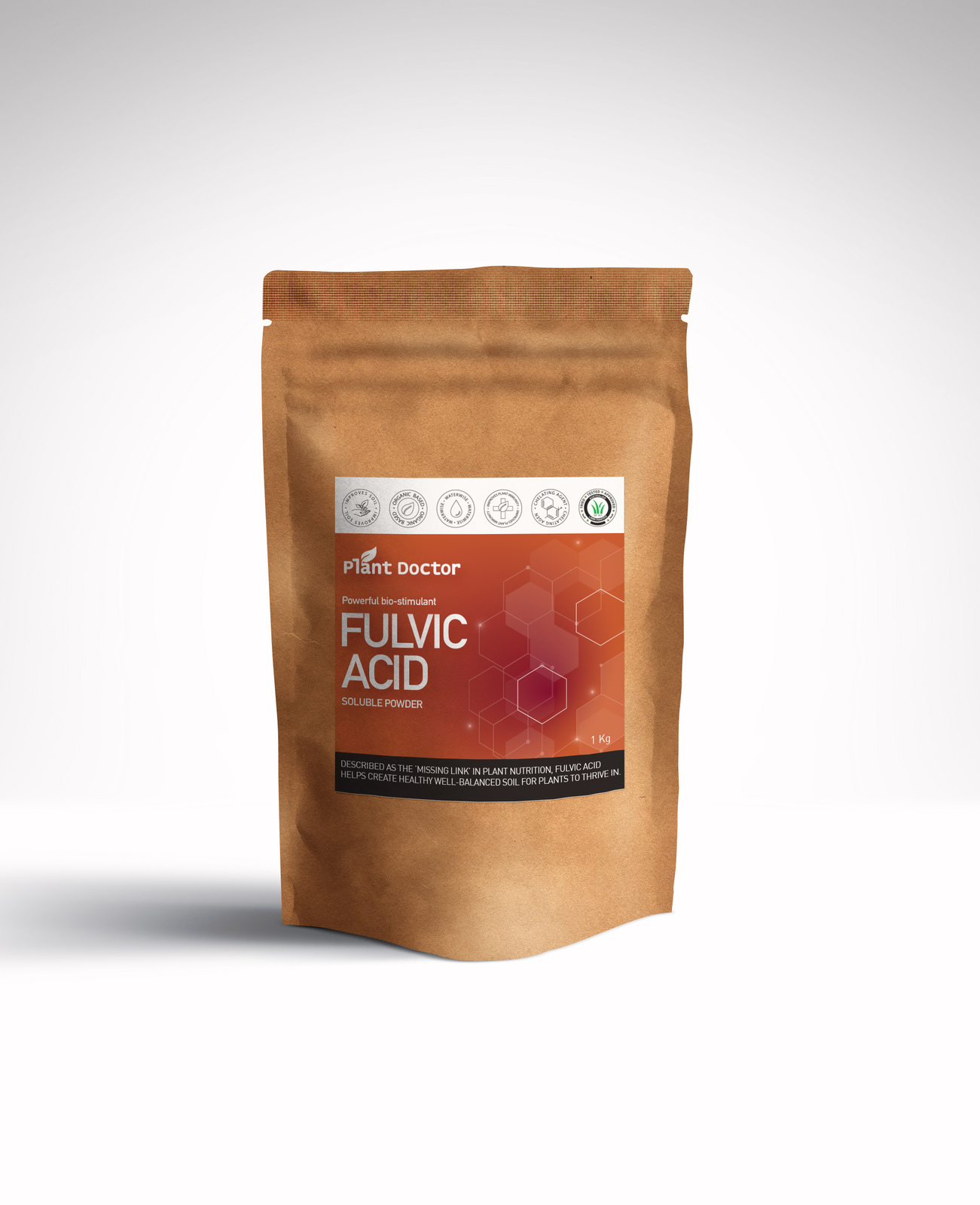
| Liquid Fulvic Acid | Premium Fulvic Acid Soluble Powder | |||
|---|---|---|---|---|
| How to Use Our Fulvic Acids |
|
Ready to dilute How to use it:
|
|
Cost-effective bulk option How to use it:
|
Why It’s Crucial to Use Fulvic Acids Before Spring
1. Soil Still Cold? Roots Still Slow? Fulvic Works Anyway: Late winter soil temps can slow down nutrient uptake. Fulvic acid helps make existing soil nutrients more available, even before roots are fully active.
2. Makes Early Fertiliser Applications More Effective: Whether you’re applying seaweed, iron, or balanced NPK fertilisers, fulvic acid amplifies the impact—so you can often use less fertiliser with better results.
3. Prepares Plants for Spring Stress: As temperatures rise and water demand increases, plants need to hit the ground running. Fulvic acid primes them for: Better chlorophyll production, More efficient photosynthesis and Faster cell division and root growth.
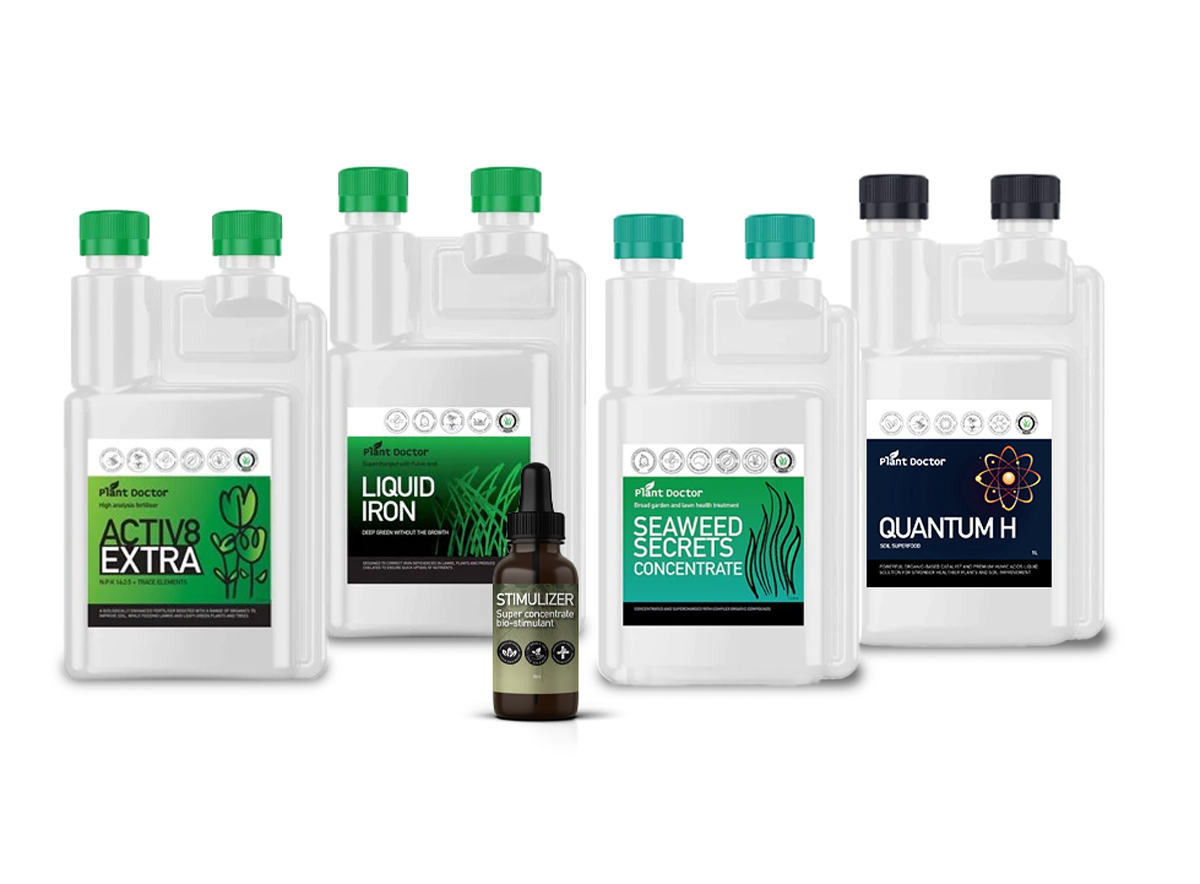
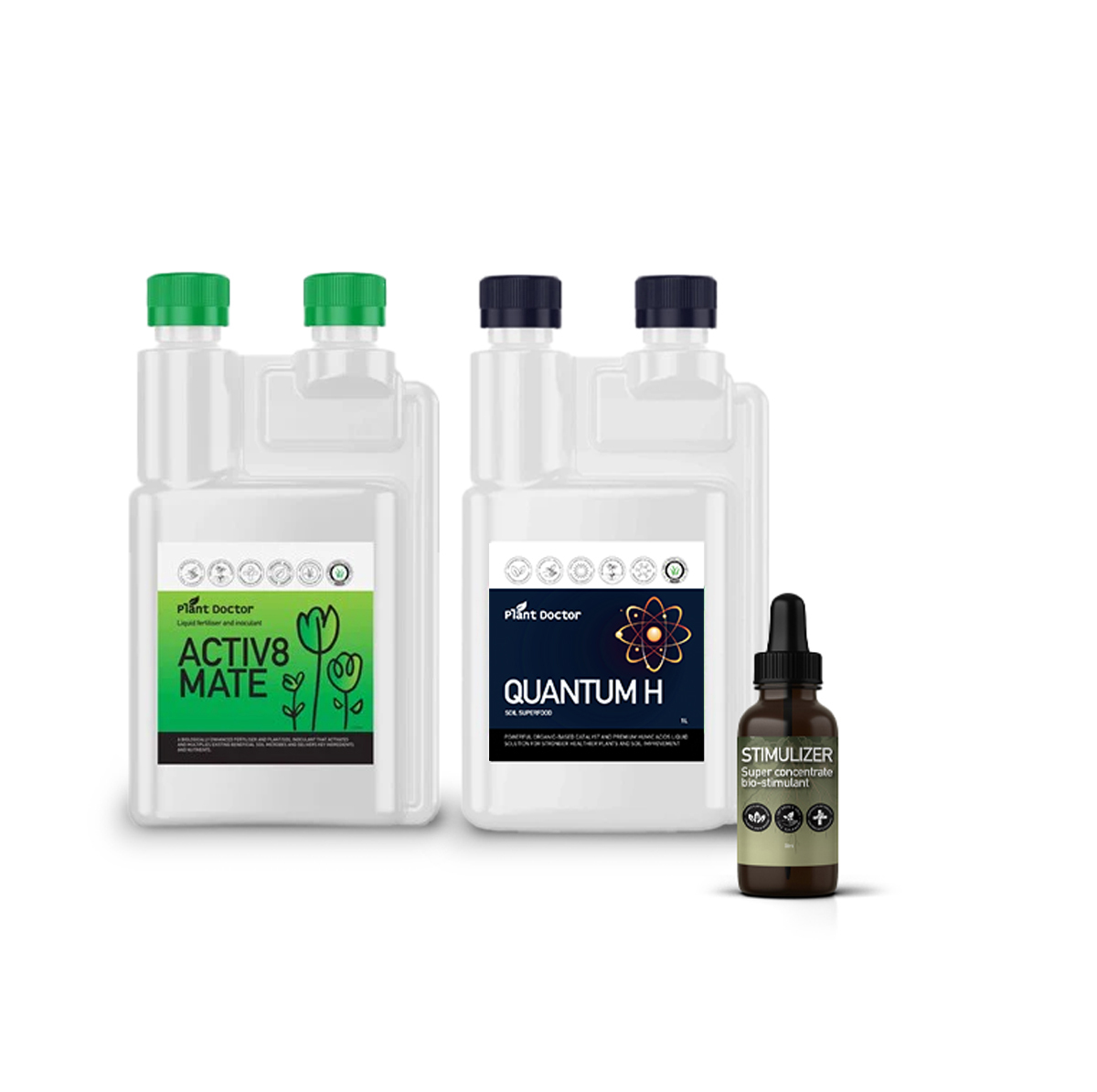
Recommended Fulvic and Humic Acid Bundles for Pre-Spring Prep
Here are three fulvic-rich formulations tailored for spring prep:
Final Thoughts: Why You Shouldn’t Skip Fulvic Acid This Season
As the growing season begins, your plants need more than just water and NPK fertiliser. They need help accessing locked-up nutrients, activating microbial partners, and defending themselves against early stress. Fulvic acid does all that—and more. It’s not just a “nice to have.” It’s the missing link between underwhelming results and garden success. Backed by decades of agronomic research and proven performance in Australian conditions, fulvic acid should be part of every grower’s seasonal playbook. Get Started with Fulvic Acid Today. Explore the Plant Doctor range of fulvic-enhanced products. Your soil will thank you. Your plants will show you.
References
-
Chen, Y., Clapp, C. E., & Magen, H. (2004). Mechanisms of plant growth stimulation by humic substances: The role of organo-iron complexes. Soil Science and Plant Nutrition.
-
Tan, K. H. (2014). Humic Matter in Soil and the Environment.
-
Duan, Y. et al. (2021). Effects of fulvic acid on drought resistance in plants. Agronomy, 11(3), 589.
-
Xu, C. et al. (2013). Fulvic acid impacts on nutrient uptake in crops. Soil Biology & Biochemistry 57, 738–747.
Products in this article
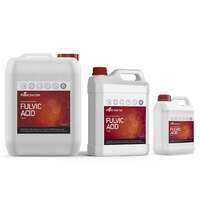
Fulvic Acid Liquid - a powerful bio stimulant
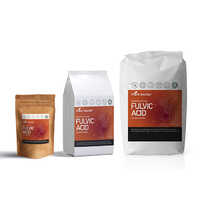
Fulvic Acid Powder >92% - Certified Organic Premium Soluble Concentrate
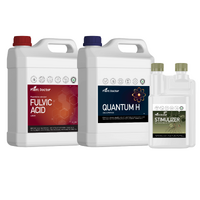
Garden Soil Enhancer Bundle
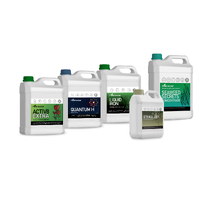
Lawn Lovers Pro Pack bundle
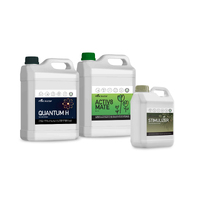
Pro Soil Enhancer bundle

Leave a comment