
Seasonal Produce in Australia
Australia's climate varies dramatically from tropical northern regions to cool mountain areas and the dry inland. That means there is no single planting calendar that works everywhere.
The best time to plant vegetables depends on your local climate, temperature, rainfall, frost risk and the particular variety you're growing. A vegetable that thrives through summer in Tasmania may struggle with the same conditions in Brisbane, while crops that love Queensland's cooler months may not tolerate a southern winter.
This Australian vegetable planting calendar provides a practical starting point for deciding what to grow throughout the year, with recommendations for temperate, cool, subtropical, tropical and arid regions.
Why Seasonal Planting Matters
Vegetables have different temperature requirements for germination, growth and flowering. Some prefer cool conditions, while others need warm soil and plenty of sunlight. Planting at the wrong time can result in:
- Poor germination
- Slow or uneven growth
- Increased pest and disease pressure
- Plants running to seed
- Frost or heat damage
- Poor flowering or fruit production
Seasonal planting also allows you to spread your harvest throughout the year rather than having large quantities of the same crop mature at once. One of the simplest ways to achieve this is succession planting. Instead of sowing an entire bed of lettuce, beans or other quick-growing crops at the same time, plant smaller quantities at intervals. This can provide a more consistent harvest and reduce waste.

Understanding Australia’s Diverse Climates
For practical gardening, Australia can be broadly divided into several climate regions. These aren't rigid boundaries, and conditions can vary significantly within each region. Australia includes tropical, subtropical and temperate areas, as well as extensive desert and grassland regions. Elevation, proximity to the coast, rainfall patterns and local geography can all affect growing conditions. For this guide, we'll use five broad gardening regions:
- Cool and mountainous
- Temperate
- Subtropical
- Tropical
- Arid and inland
If you're close to the boundary between two regions, compare both planting guides and adjust according to your local conditions.
| Region | Spring | Summer | Autumn | Winter |
|---|---|---|---|---|
Temperate Regions
Temperate regions include much of southern Australia, including areas around Melbourne, Adelaide, Perth and parts of southern New South Wales. These regions generally have more distinct seasonal temperature changes, making it useful to divide vegetables into warm-season and cool-season crops. |
As soil temperatures rise and frost risk decreases, gardeners can begin introducing warm-season crops. Good options include:
Wait until conditions are warm enough for frost-sensitive crops such as tomatoes, capsicum, cucumber and eggplant. |
Summer is the main growing period for many warm-season vegetables. Depending on local conditions, consider:
In particularly hot locations, some cool-season vegetables may struggle during the peak of summer. |
As temperatures begin to fall, conditions become more suitable for cool-season vegetables. Good choices include:
Autumn is also a useful time to establish crops that will continue growing through winter. |
Winter planting is more limited in colder temperate areas, but a number of cool-season crops can continue growing. Consider:
Protect frost-sensitive plants and adjust planting times according to your local winter temperatures. |
Cool and Mountainous RegionsCool and mountainous areas have shorter growing seasons and greater frost risk. This makes timing particularly important. Wait until the risk of frost has passed before planting warm-season crops such as tomatoes, cucumber and eggplant. |
As temperatures begin to rise:
Warm-season crops can be introduced later in spring once frost risk has reduced. |
Summer provides the main opportunity for warm-season crops. Depending on your altitude and local conditions, consider:
Use your local frost dates as a guide rather than relying on a fixed calendar date. |
As temperatures begin to fall, return to cool-season crops such as:
|
Winter conditions can be challenging at higher elevations. Focus on cold-tolerant crops where conditions allow. Options include:
In areas with severe frost or snow, growing under protection may be necessary. |
Subtropical RegionsSubtropical areas include much of southeast Queensland and northern New South Wales, including Brisbane and the Northern Rivers. These regions generally have hot summers and milder winters, creating opportunities to grow vegetables throughout much of the year. |
As temperatures rise, consider:
Monitor temperatures closely because some cool-season crops can quickly struggle as the weather warms. |
Hot and humid conditions favour a range of warm-season crops, although extreme heat and humidity can also create challenges. Consider:
Good airflow and careful watering become increasingly important during humid weather. |
Autumn is one of the most productive planting periods for many subtropical gardeners. Consider:
|
Milder winter temperatures allow many cool-season vegetables to continue growing. Good choices include:
|
Tropical RegionsTropical gardening works differently from gardening in southern Australia. Northern Australia generally experiences a pronounced wet season and dry season, rather than the same temperature-driven four-season pattern found in much of southern Australia. The Bureau of Meteorology identifies the northern wet season broadly as October to April and the dry season as May to September, although timing varies between locations and years. For tropical gardeners, rainfall, humidity and the timing of the wet season can therefore be just as important as temperature. |
Wet Season: High humidity and heavy rainfall can make some crops difficult, particularly where drainage and airflow are poor. Depending on local conditions, crops to consider include:
Good drainage is particularly important during periods of heavy rainfall. |
Dry Season: The cooler, drier conditions can provide excellent growing conditions for many vegetables. Consider:
Rather than following a fixed spring-to-winter calendar, tropical gardeners should pay close attention to local rainfall and temperature patterns. |
||
Arid and Inland RegionsGardening in Australia's arid and inland regions presents a different set of challenges, particularly extreme summer temperatures, low rainfall and large temperature swings. Water management and timing are critical. |
Plant warm-season crops before the most extreme heat arrives, where local conditions allow. Options include:
|
Extreme summer heat can limit what can be grown successfully in exposed locations. Heat-tolerant crops may include:
Providing shade during extreme heat and maintaining consistent soil moisture can help reduce plant stress. |
As temperatures moderate, conditions become more suitable for a broader range of vegetables. Consider:
|
Cooler conditions can be suitable for many root vegetables and leafy greens. Options include:
Protect crops from particularly cold nights and sudden temperature changes. |
What Should You Plant Each Season?
If you're looking for a simpler starting point, think of your vegetable garden in terms of warm-season and cool-season crops.
| Season | Crops to consider |
|---|---|
| Spring | Beans, beetroot, cucumber, tomatoes, zucchini, capsicum, radish, basil |
| Summer | Beans, cucumber, capsicum, chilli, tomatoes, sweet corn, pumpkin, zucchini |
| Autumn | Broccoli, spinach, lettuce, peas, broad beans, beetroot, radish, onions |
| Winter | Spinach, lettuce, broccoli, cabbage, kale, peas, broad beans, onions |
| Succession Planting for a Continuous Harvest |
Planting your entire vegetable garden at once can leave you with too much of one crop and nothing to harvest a few weeks later. Succession planting solves this by staggering sowing or planting. For example, instead of planting all your lettuce at once, plant smaller batches every couple of weeks. As one batch approaches harvest, another is developing behind it. This approach works particularly well with crops such as:
It can help extend your harvest and make better use of limited garden space. |
These are broad examples rather than universal planting dates. Your local climate and growing conditions should always take priority.
Seeds or Seedlings?
Both direct sowing and transplanting have a place in the vegetable garden.
Direct Sowing: Seeds can be sown directly into garden beds or containers. This is particularly useful for crops that don't transplant well or are quick to establish. Benefits include: Lower cost; Less transplant shock; Simple to scale up; and No need to maintain seedlings beforehand.
Seedlings: Buying or raising seedlings can give crops a head start, particularly where the growing season is short. Seedlings can be useful for crops such as: Tomatoes; Capsicum; Eggplant; Broccoli; Cabbage; and Lettuce.
However, seedlings still need to be hardened off and planted at an appropriate time for local conditions.
Growing Vegetables in Small Spaces
You don't need a large backyard to grow fresh produce. Containers, raised beds and vertical gardens can make productive use of balconies, patios and small outdoor areas.
| Good choices for smaller spaces include: |
|
Choose containers with adequate drainage and enough growing volume for the crop. Vertical supports can also make better use of space for climbing crops such as beans, peas and some cucumber varieties.
Hydroponic systems offer another option for growing plants without conventional soil, particularly for leafy greens and herbs. However, hydroponics has different requirements for nutrient management, water quality, pH and system maintenance, so it is best treated as a separate growing method rather than simply an extension of container gardening.
Garden Care Throughout the Growing Season
Getting your planting time right is only part of growing a productive garden.
| Watering: |
Water requirements vary according to the crop, soil, temperature, rainfall and stage of growth. Rather than following a fixed watering schedule, check soil moisture and consider recent rainfall and weather conditions. |
| Mulching: | Organic mulch can help reduce evaporation, moderate soil temperature and suppress weeds when applied appropriately. Leave some space around plant stems and avoid creating excessively wet conditions around plants. |
| Soil Management: | Healthy soil provides the foundation for productive plants. Good soil management includes maintaining organic matter, managing compaction, providing appropriate nutrients and ensuring adequate drainage. |
| Monitoring: | Regularly inspect plants for: Yellowing or unusual foliage; Wilting; Pest activity; Disease symptoms; Poor growth; Nutrient deficiency symptoms. Identifying problems early gives you more options for correcting them. |
Supporting Plant Growth With Plant Nutrition
Once your planting schedule and basic soil management are in place, plant nutrition can help support growth throughout the season. Different products have different roles, so the right choice depends on what your plants and soil actually need. For example, Plant Doctor products can be incorporated into a broader garden program:
- Seaweed Secrets provides a concentrated seaweed-based biostimulant for supporting plant growth and resilience.
- Stimulizer is a concentrated biostimulant designed to support plant and soil biology.
- VolcaMin provides clinoptilolite zeolite for soil and growing-media applications.
- Nature's Soil Wetter helps improve water penetration and distribution where wetting problems are present.
- Flowers, Fruits & Roots provides granular plant nutrition for established plants.
Plant nutrition should complement good planting, watering, soil management and pest-monitoring practices rather than replace them.
| Australian Vegetable Planting Calendar FAQs | |
|---|---|
| What vegetables can I grow all year in Australia? | There is no single list that applies to the entire country. Crops such as lettuce, herbs, spring onions and some leafy greens can be grown for much of the year in suitable climates, but planting windows vary significantly between regions. |
| What vegetables should I plant in spring? | Spring is generally the transition into warm-season vegetable growing across much of southern Australia. Tomatoes, beans, zucchini, cucumber, capsicum and other warm-season crops can be planted as temperatures rise and frost risk decreases. |
| What vegetables should I plant in autumn? | Autumn is an important planting period for cool-season crops such as broccoli, spinach, lettuce, peas, broad beans, beetroot and radish. |
| What vegetables grow in winter? | Cool-season crops such as spinach, lettuce, broccoli, cabbage, peas, broad beans and onions can perform well during winter, particularly in temperate and subtropical regions. |
| Can I grow vegetables all year round? | Yes, but what you can grow depends on where you live. Subtropical and tropical climates can provide long growing windows, while cool and mountainous areas have shorter growing seasons. Northern tropical regions should be planned around wet and dry seasons rather than simply following the southern four-season calendar. |
| How do I know when to plant vegetables? | Use a regional planting calendar as a starting point, then consider local frost dates, temperatures, rainfall, soil conditions and the variety you're growing. Your own planting records can become an increasingly useful guide over time. |
Grow with the seasons
There isn't one perfect Australian planting calendar. The best results come from understanding your local climate, choosing varieties suited to your conditions and adjusting your planting schedule as the weather changes. Start with a few reliable crops, stagger your plantings, keep records and learn how your garden responds throughout the year. Over time, you'll develop a planting calendar that is specific to your own garden. And remember, good harvests begin before the seed goes into the ground. Soil condition, water management, nutrition and plant care all play a role in helping your vegetables establish and produce well.
Explore Plant Doctor's range of plant nutrition and soil health products to support your garden throughout the growing season.
Products in this article

Flowers, Fruits & Roots Granular Fertiliser - 8-2-20 NPK + T/E
Flowers, Fruits & Roots liquid fertiliser - High in Potassium & buffered with Humic
Nature's Soil Wetter - Liquid Soil Conditioner & Wetting Agent

Nature's Soil Wetter granules - Natural mineral infused with plant-derived non-petrochemical surfactant
Seaweed Secrets | Concentrated Liquid Seaweed (Kelp) | Super-Boosted with Humic & Fulvic Acid
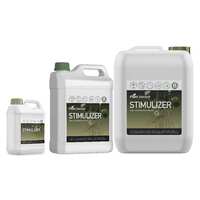
Stimulizer - Super concentrate Bio-stimulant & natural chelating agent
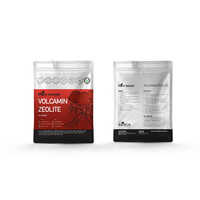
VolcaMin (clinoptilolite Zeolite) - Agriculture Grade 1-2mm
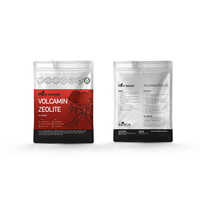
VolcaMin (clinoptilolite Zeolite) - Horticulture & Agriculture Grade - 2-4 mm
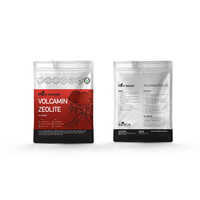
VolcaMin Zeolite - Agriculture Grade < 1.0mm Powder

Leave a comment