
The Ultimate Summer Solution for Lawns and Gardens: Nature’s Soil Wetter
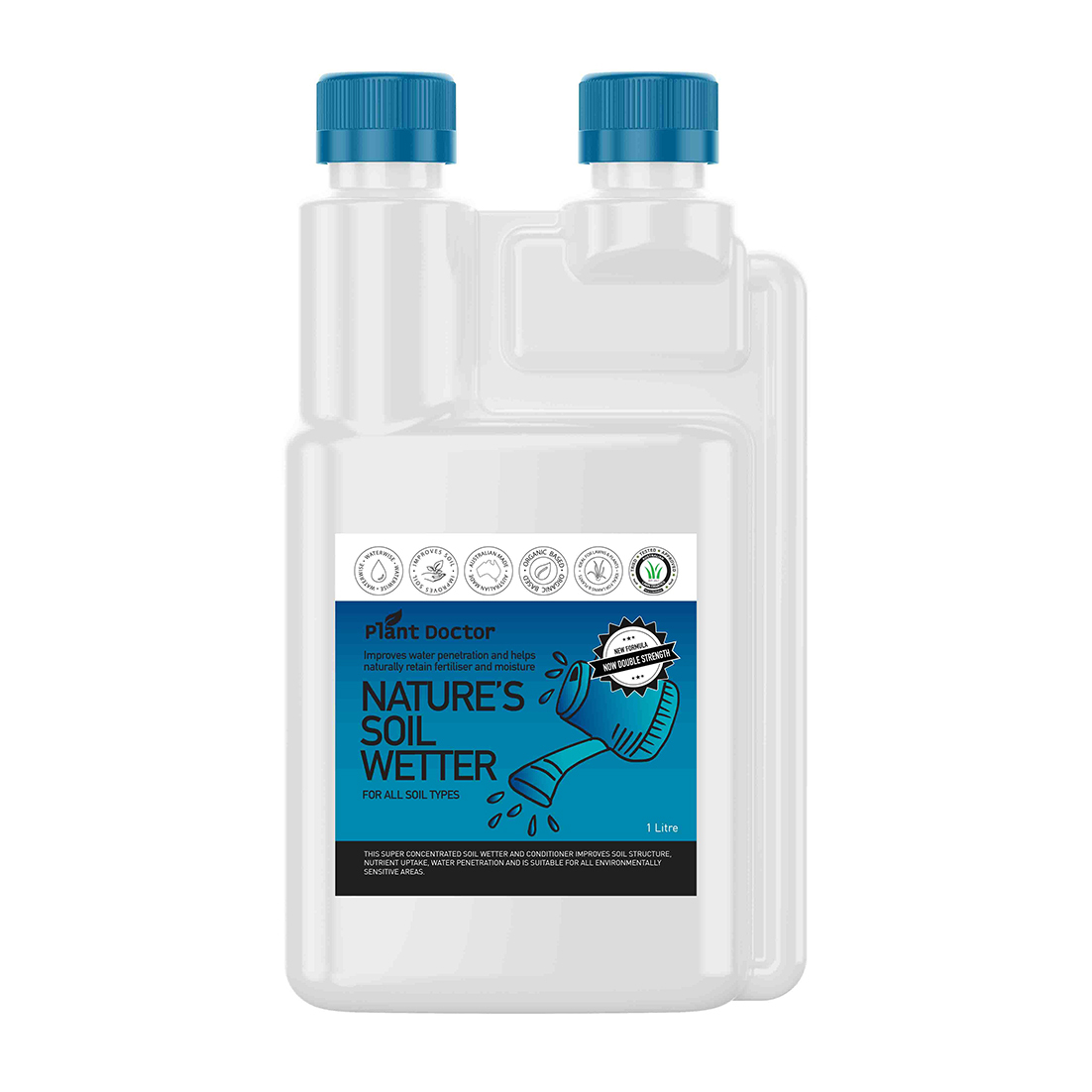
Hot summer weather can place extra pressure on lawns, gardens and turf. Higher temperatures increase plant water demand, while some soils can become water repellent, making it difficult for irrigation or rainfall to wet the soil evenly.
This is where a soil wetter can help.
Nature’s Soil Wetter is a concentrated soil wetting agent and conditioner designed to improve how water interacts with soil. By helping water wet and move through water-repellent soil more effectively, soil wetters can improve moisture distribution through the root zone and help reduce the conditions associated with localised dry patches.
What Is a Soil Wetter?
A soil wetter, also known as a soil wetting agent or soil surfactant, is designed to improve the interaction between water and soil. Some soils, particularly sandy soils, can develop hydrophobic (water-repellent) conditions. Instead of absorbing water evenly, irrigation or rainfall may bead, run off or move through certain areas while leaving other parts of the root zone relatively dry. Soil wetting agents contain surfactants that reduce surface tension and help water spread more evenly through the soil profile.
Why Does Soil Become Hydrophobic?
Soil water repellency occurs when hydrophobic compounds coat soil particles and reduce their ability to be wetted by water. It is particularly common in some sandy soils and can become more noticeable during hot, dry conditions. Organic compounds associated with decomposing plant material can contribute to water repellency, although the severity and persistence of the problem vary between soils. A water-repellent soil does not necessarily mean the entire root zone is completely dry. Instead, water may fail to distribute evenly, creating areas that remain dry while nearby soil receives adequate moisture.
This can make irrigation less efficient and contribute to uneven turf growth.
How Do Soil Wetting Agents Work?
The primary role of a soil wetter is to improve soil wettability. By helping water wet soil particles more effectively, wetting agents can:
- Improve water infiltration
- Promote more even moisture distribution
- Reduce localised dry patches
- Improve irrigation efficiency
- Support more consistent root-zone moisture
A soil wetter does not replace irrigation, fertiliser or good soil management. Instead, it is one tool that can help improve how water moves through the soil.
Soil Wetter for Lawns, Dry Patches and Gardens
Localised dry patches are a common issue in lawns and turf, especially during summer. A lawn may receive adequate irrigation overall, but some areas can remain dry if water is not wetting the soil evenly. Soil wetting agents are commonly used in turf management to improve water distribution and help address water-repellent areas. For homeowners, gardeners and turf managers, a soil wetter may be useful where you notice:
- Persistent dry patches
- Water beading on the soil surface
- Uneven moisture levels
- Sandy or water-repellent soils
- Areas that dry out quickly
- Plants showing signs of moisture stress
Nature’s Soil Wetter is suitable for use across lawns, gardens, turf, fruit trees, ornamental plants and vegetable gardens. In addition, different soil types present different water-management challenges.
| Sandy Soils |
Sandy soils can allow water to move quickly through the profile. If the soil is also water repellent, irrigation may not distribute evenly through the root zone. A soil wetter can help improve wetting and moisture distribution where water repellency is contributing to the problem. |
| Clay and Compacted Soils |
Poor water infiltration in clay soils can result from compaction, poor structure, limited pore space or drainage issues. A soil wetter may assist where uneven wetting is contributing to poor infiltration, but it is not a substitute for aeration or other practices used to address compaction. |
What Are the Benefits of Using a Soil Wetter?
When water repellency is limiting infiltration, a suitable soil wetting agent may help provide:
| Better Water Penetration | Surfactants can reduce surface tension and help water wet water-repellent soil more effectively. |
| More Even Soil Moisture | Improved wetting can help reduce differences between wet and dry areas within the root zone. |
| Reduced Localised Dry Patches | More consistent wetting can help address one of the common symptoms associated with water-repellent turf soils. |
| Improved Irrigation Efficiency | When water is able to enter and distribute through the root zone more effectively, less irrigation may be lost through runoff or uneven wetting. |
| Support for Turf Performance |
More consistent root-zone moisture can help turf cope with periods of increased environmental and water stress. The results will vary according to soil type, climate, irrigation practices, product formulation and the severity of water repellency. |
Soil Wetter vs Fertiliser
A soil wetter and a fertiliser perform different roles.
- Fertilisers provide nutrients, such as nitrogen, phosphorus and potassium.
- Soil wetters improve soil wettability and water distribution.
The two can be used together as part of a lawn or garden program, but a soil wetter should not be considered a replacement for fertiliser or appropriate irrigation. A soil wetter works best when combined with good lawn and garden practices, including:
- Appropriate irrigation
- Regular fertilisation
- Aeration where required
- Managing thatch
- Monitoring soil moisture
- Improving soil organic matter where appropriate
No single product can solve every soil problem. Identifying the underlying cause of dry patches or uneven growth is important for choosing the right management approach.
Why Choose Nature’s Soil Wetter?
Nature’s Soil Wetter combines plant-derived surfactants and organic compounds in a concentrated formulation designed for lawns, gardens and turf. Its primary role is simple: help water wet the soil more effectively so moisture can move more evenly through the root zone. This can be particularly useful during summer, when plants require more water and maintaining consistent soil moisture becomes increasingly important.
| What does a soil wetter do? | A soil wetter contains surfactants that help water wet and move through soil more effectively, particularly where water repellency is limiting infiltration. |
| Does soil wetter help dry patches? | It can help where dry patches are related to uneven wetting or water-repellent soil conditions. |
| Is soil wetter the same as a wetting agent? | Yes. The terms are commonly used interchangeably. |
| Can I use soil wetter on my lawn? | Yes, provided the product is suitable for turf and lawn applications. |
| Does soil wetter add nutrients? | A soil wetter is not a conventional fertiliser. Its primary role is improving water movement and moisture distribution. |
| Does soil wetter fix compaction? | No. Compaction generally requires practices such as aeration and broader soil management. |
Improve Your Lawn’s Water Efficiency This Summer
Hot weather does not have to mean wasted water or persistent dry patches. Where uneven wetting or water repellency is affecting your lawn or garden, a suitable soil wetter can help irrigation water move more effectively through the root zone. Discover how Nature’s Soil Wetter can become part of your lawn and garden program this summer.
Products in this article
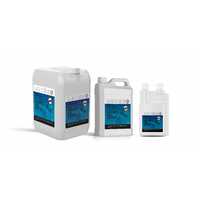
Nature's Soil Wetter - Liquid Soil Conditioner & Wetting Agent
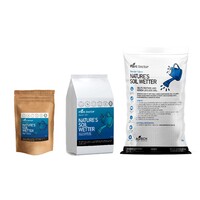
Nature's Soil Wetter granules - Natural mineral infused with plant-derived non-petrochemical surfactant

Leave a comment