What are Lime Granules used for?
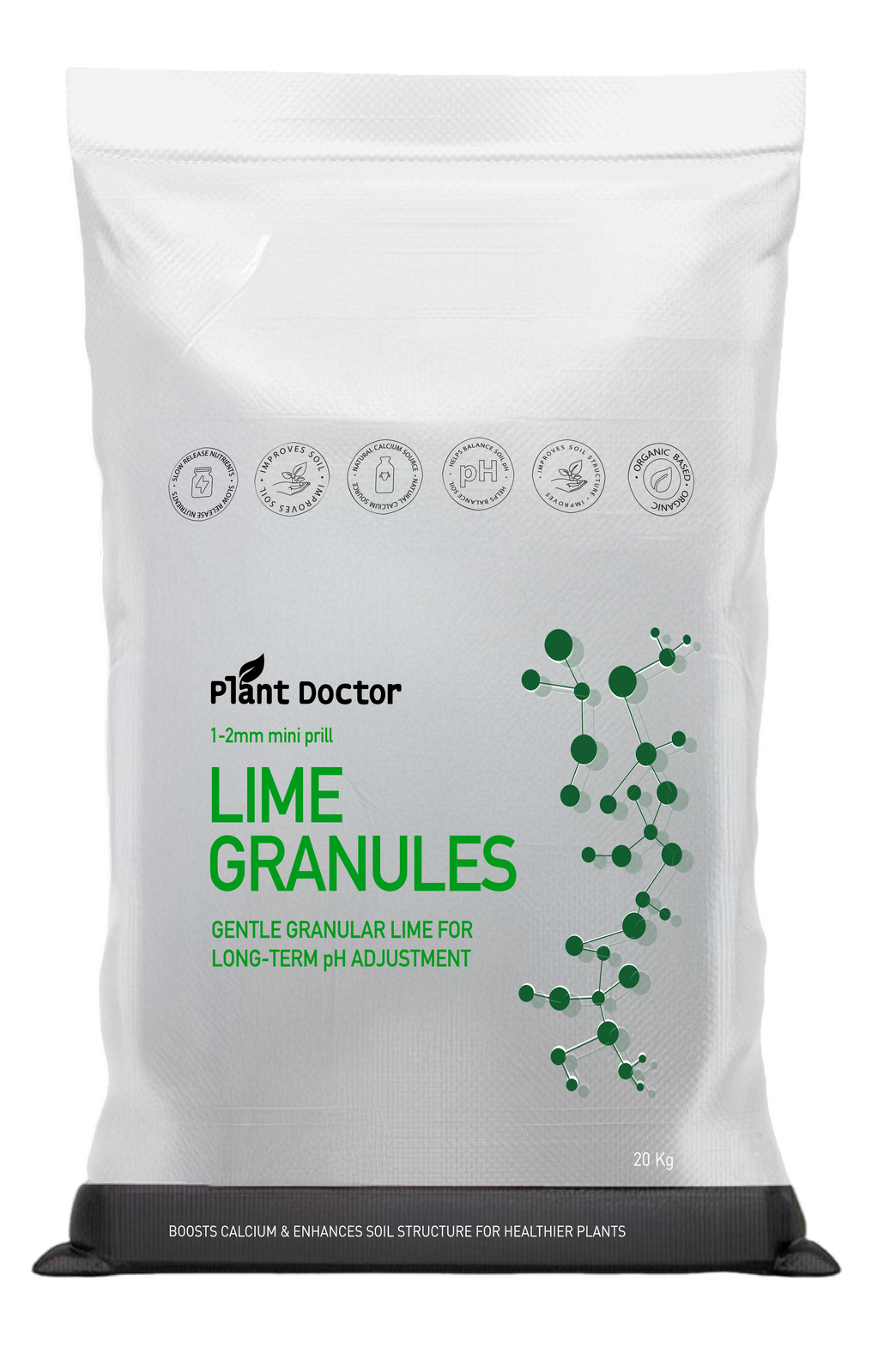
Lime Granules are a slow-release agricultural lime (calcium carbonate) designed to raise soil pH, reduce soil acidity, and improve nutrient availability. They're ideal for lawns, vegetable gardens, ornamental gardens, orchards, and broadacre farming where acidic soils are limiting plant growth.
How do Lime Granules improve soil?
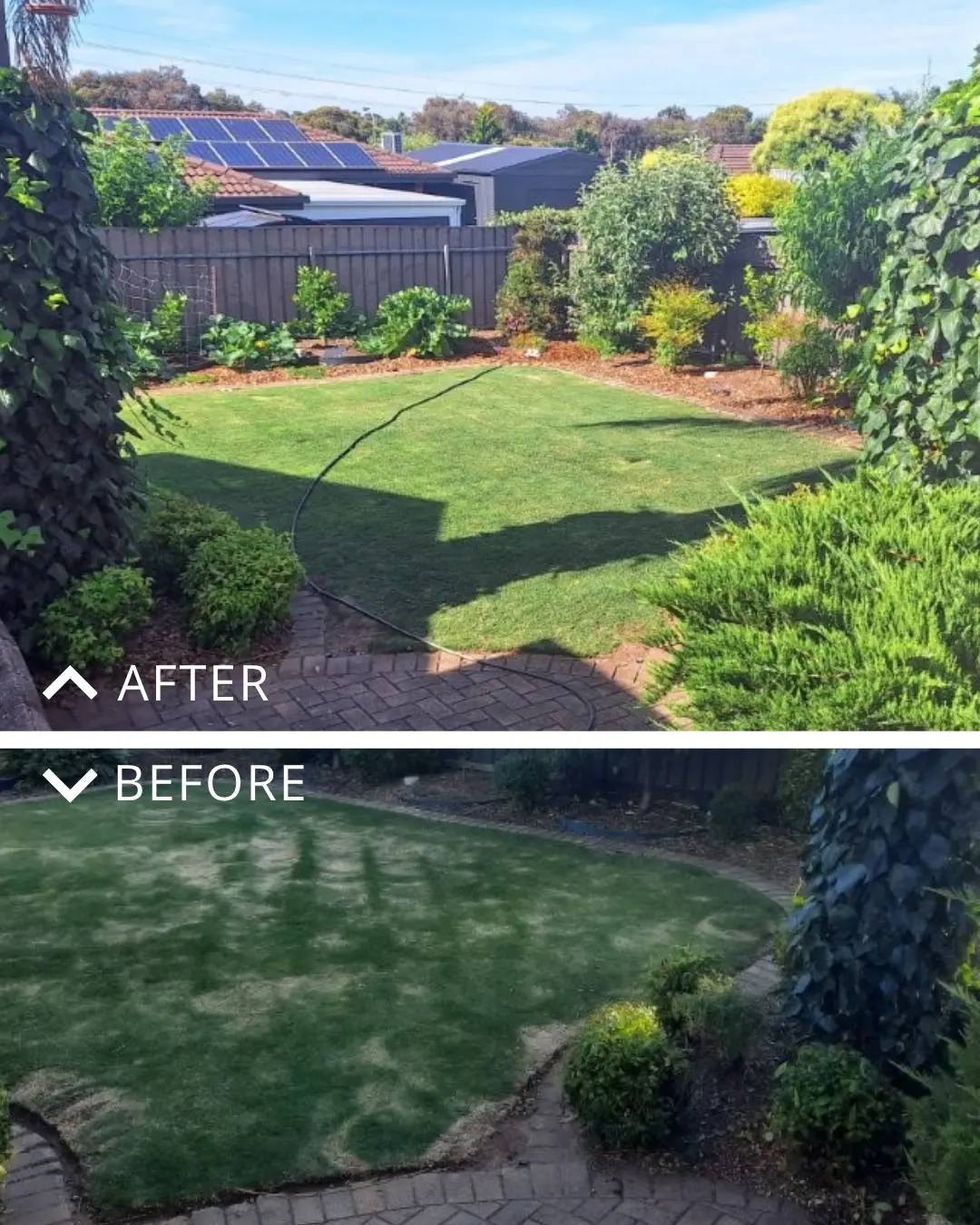
Lime Granules neutralise acidic soils by gradually increasing soil pH. This unlocks nutrients such as nitrogen, phosphorus and potassium, encourages beneficial soil microbes, improves root development, and creates a healthier environment for plants to thrive.
How do I know if my soil needs lime?
A soil test is the best way to determine whether your soil is acidic. Signs of acidic soil can include poor plant growth, yellowing leaves, poor fertiliser response, moss in lawns, and reduced crop performance. Applying lime without testing may result in over-correcting soil pH.
Can I use Lime Granules on my lawn?
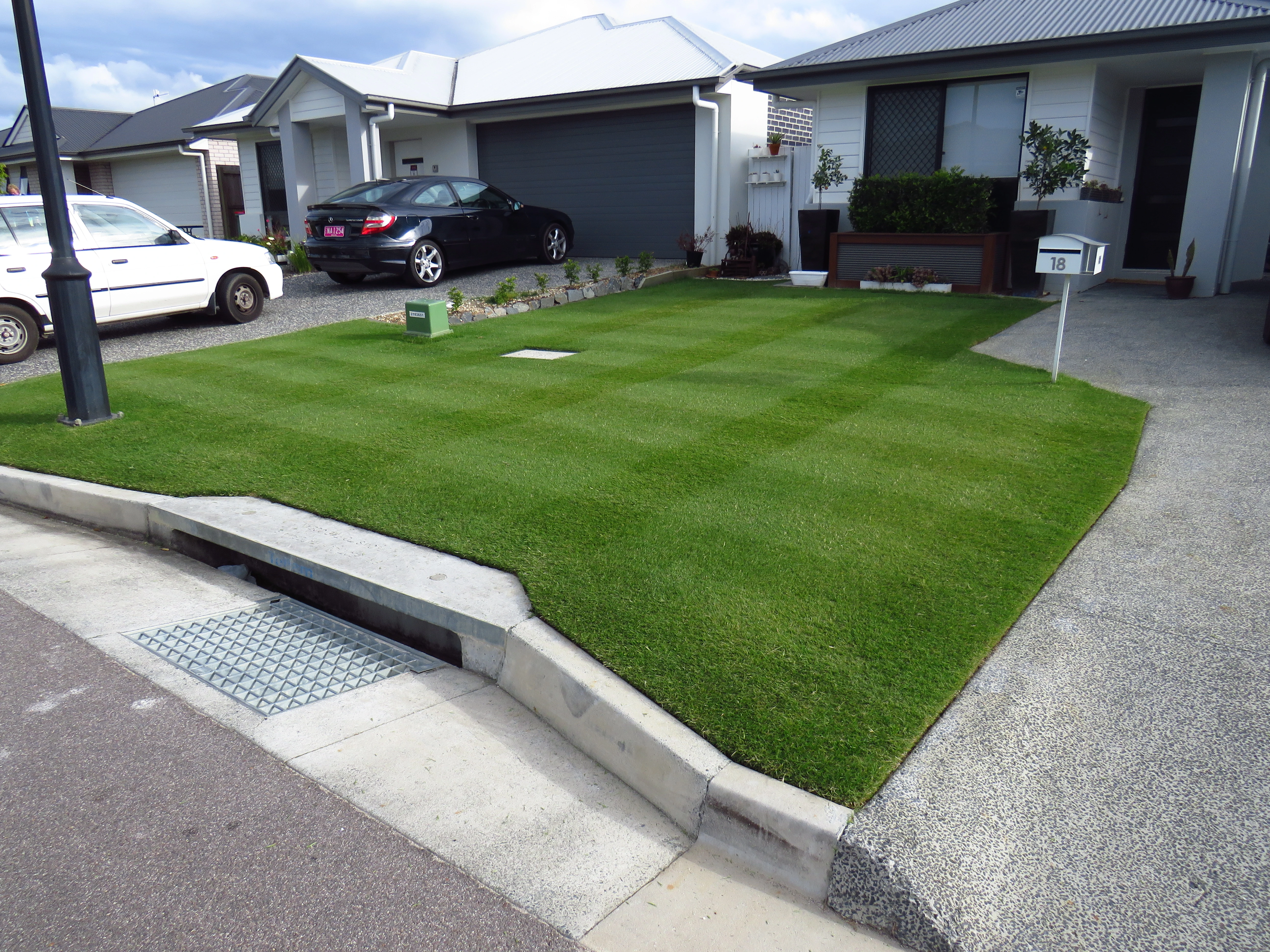
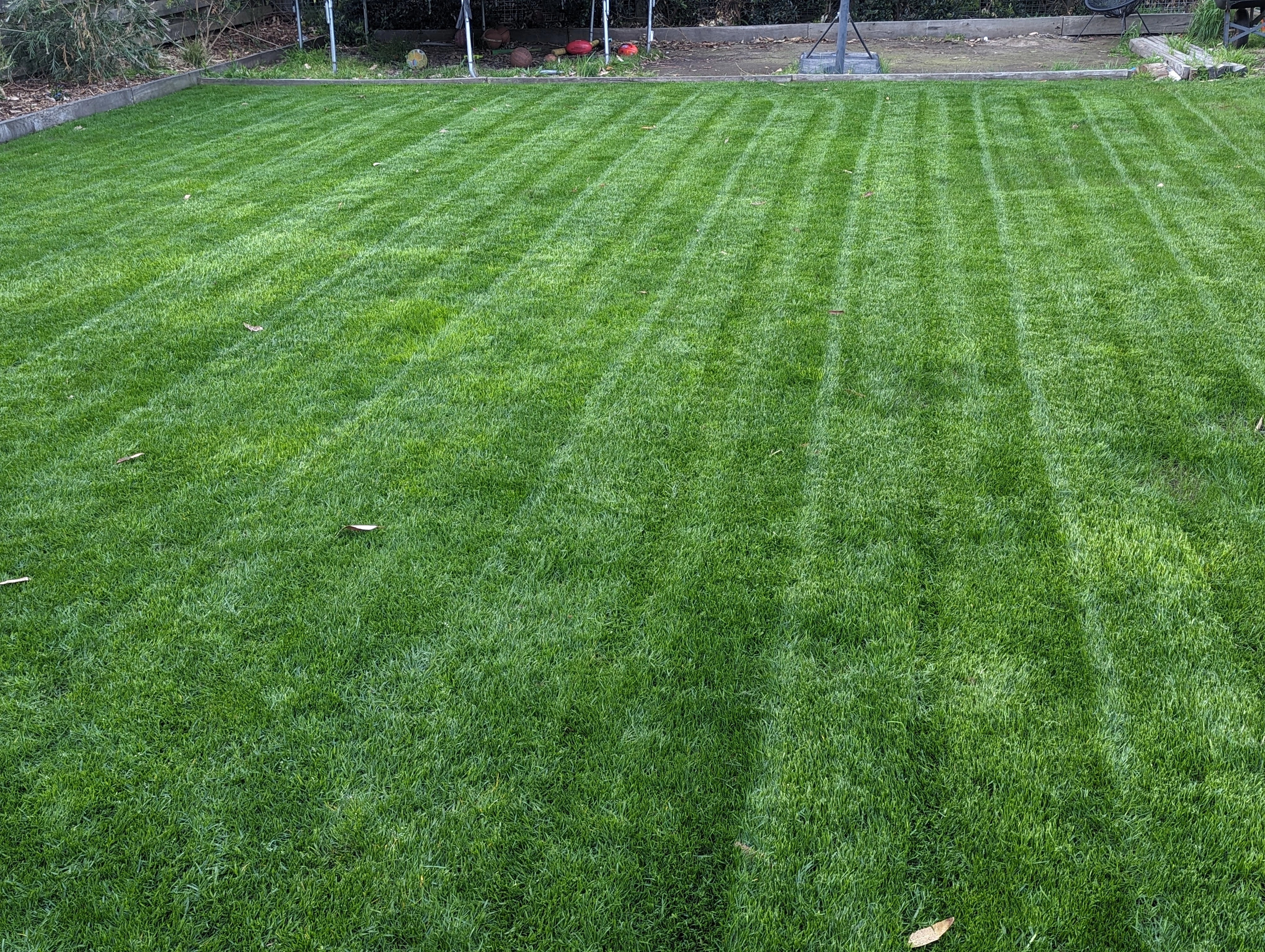
Yes. Lime Granules are excellent for Buffalo, Couch, Kikuyu and other lawn varieties growing in acidic soils. Correcting soil pH improves nutrient uptake, fertiliser efficiency, root development and overall lawn colour and density.
Are Lime Granules suitable for vegetable gardens and fruit trees?
Absolutely. Lime Granules can be used around vegetables, herbs, fruit trees, ornamentals and garden beds where soil acidity is reducing plant performance. Correcting soil pH helps plants make better use of available nutrients.
How long do Lime Granules take to work?
Lime Granules begin reacting once they come into contact with moisture and acidic soil, but because they are a slow-release product, soil pH changes occur gradually over weeks and months. This provides long-lasting soil improvement rather than a rapid temporary change.
Should I water Lime Granules after application?
Yes. Watering after application helps activate the granules and allows them to begin reacting with the soil. Where possible, lightly incorporate the granules into the topsoil for even faster results.
When is the best time to apply Lime Granules?
Autumn and early spring are generally the best times to apply Lime Granules, giving the product time to gradually adjust soil pH before periods of active growth. However, they can be applied whenever soil testing indicates acidic conditions.
Will Lime Granules replace fertiliser?
No. Lime is a soil conditioner rather than a fertiliser. While it provides calcium, its primary role is to improve soil pH so plants can utilise existing nutrients and fertilisers more efficiently.
Can Lime Granules be applied with fertiliser?
Yes. Lime Granules complement most fertiliser programs by improving nutrient availability and reducing nutrient lock-up in acidic soils. Many gardeners apply lime as part of an annual soil improvement program alongside seasonal fertilising.
Are Lime Granules suitable for clay, sandy and loam soils?
Yes. Lime Granules can be used on sandy, loam and clay soils. The application rate will vary depending on soil type, current pH and buffering capacity, which is why soil testing is strongly recommended before application.
What is the active ingredient in Lime Granules?
Lime Granules are manufactured from natural crushed limestone and contain Calcium Carbonate (CaCO₃). They provide a long-term source of calcium while gradually correcting soil acidity.