Date Posted:27 February 2026
 Choosing the right fertiliser for your lawn depends on two factors: The grass species and the soil it is growing in. Buffalo, Couch, Kikuyu and Zoysia are the most common warm season lawn grasses in Australia. While they share similarities, their growth habits and nutrient demands differ. Understanding these differences helps avoid over fertilising, nutrient imbalance and unnecessary cost.
Buffalo, Couch, Kikuyu and Zoysia are C4 grasses. They grow most actively in late spring and summer when soil temperatures rise. During winter, growth slows significantly in southern regions and partially slows in subtropical Queensland. Because they grow quickly in warm weather, nutrient demand increases during active growth periods and declines during cooler months.
Buffalo is widely used in Australian homes due to shade tolerance and moderate maintenance requirements.
Nitrogen needs: Buffalo responds to nitrogen but does not require high levels. Excess nitrogen can: Increase thatch accumulation, Promote soft growth and Increase mowing frequency. Moderate, controlled nitrogen is generally preferred.
Potassium needs: Potassium supports stress tolerance, particularly during heat. Iron improves colour without significantly increasing leaf growth.
Iron needs: Iron is often used when Buffalo appears pale but strong growth is not required.
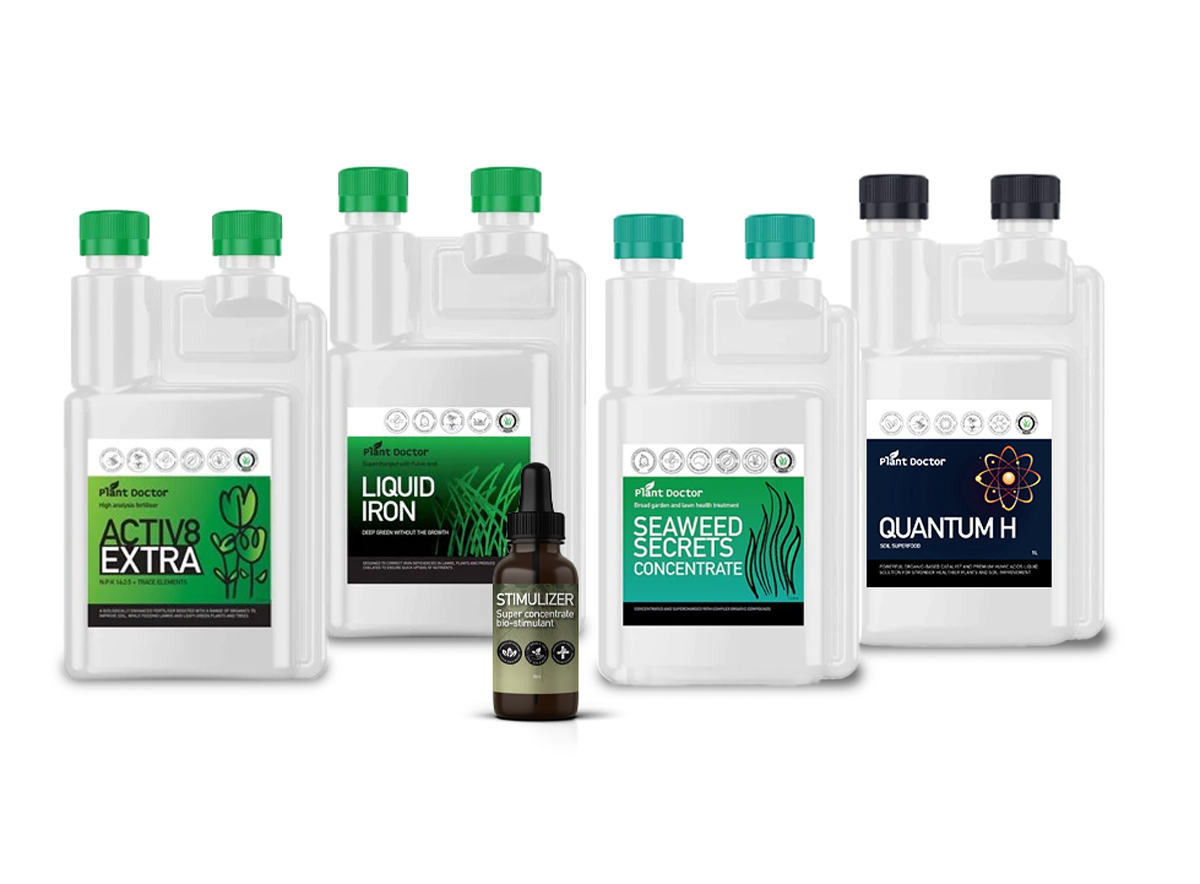
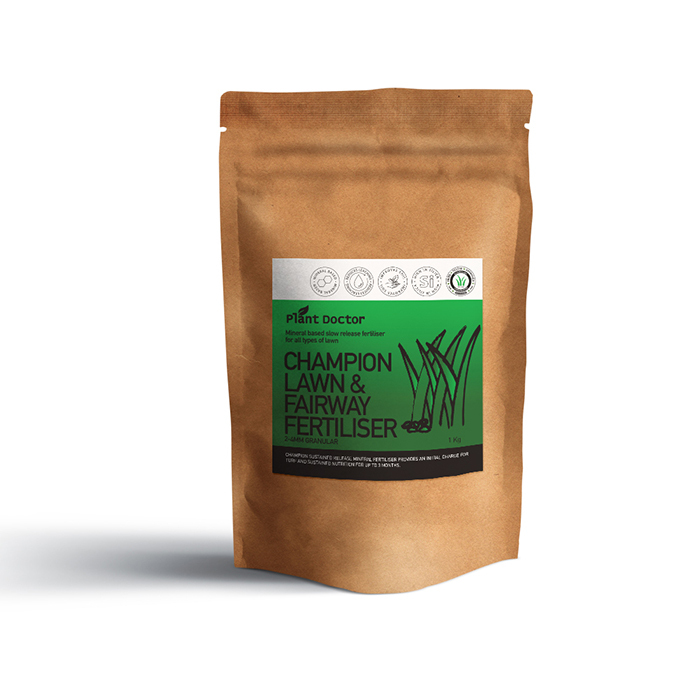
Recommended Fertiliser Approach: Apply a sustained release fertiliser during active growth. Use iron if colour improvement is needed. Maintain soil pH within the preferred range of approximately 6.0 to 7.0. A controlled release product such as CHAMPION Lawn and Fairway Sustained Release Fertiliser provides steady nitrogen without rapid growth spikes. For colour correction, iron based products such as Liquid Iron or Iron Chelate can assist without pushing excessive growth.
Couch is commonly used for sports fields and high traffic areas due to wear tolerance and recovery capacity.
Nitrogen needs: Couch has higher nitrogen demand than Buffalo or Zoysia. Insufficient nitrogen leads to thinning and reduced density. However, frequent high doses of quick release nitrogen can cause rapid growth and mowing burden.
Potassium needs: Potassium supports stress tolerance and recovery. It is important in summer when heat stress increases.
Iron needs: Iron enhances colour and is often used in turf management programs to deepen green colour without excessive vertical growth.
Recommended Fertiliser Approach: Use sustained release fertiliser during peak growth. Supplement with liquid fertiliser if required. Monitor soil nutrient levels to prevent imbalance. A base application of a controlled release fertiliser helps maintain consistent growth. Liquid products can be used strategically for correction or rapid response.
Kikuyu grows vigorously in warm climates and responds strongly to nitrogen.
Nitrogen needs: Kikuyu benefits from moderate to high nitrogen during active growth. Over application can result in excessive top growth. Slow release nitrogen reduces the likelihood of surge growth and mowing frequency.
Soil pH: Kikuyu performs best in slightly acidic to neutral soils. In high rainfall regions, soil acidity can increase over time due to nutrient leaching. If soil tests indicate acidity below optimal range, lime may be required. Lime Granules correct calcium deficiency and raise soil pH. Dolomite Granules provide both calcium and magnesium while increasing pH. Soil testing should guide application.
Recommended Fertiliser Approach: Use controlled nitrogen through spring and summer. Avoid repeated high rates of quick release nitrogen. Address pH imbalance if present.
Zoysia is a slower growing warm season turf with dense growth.
Nitrogen needs: Zoysia requires less nitrogen than Couch or Kikuyu. High nitrogen can: Increase vertical growth, Create scalping risk and Increase thatch. Low to moderate nitrogen applied gradually is preferred.
Potassium needs: Potassium assists with drought tolerance.
Iron needs: Iron can improve colour where required.
Recommended Fertiliser Approach: Apply slow release fertiliser only. Avoid high nitrogen liquid bursts. Maintain soil balance. For Zoysia, consistency is more effective than intensity.
Soil pH and Nutrient Availability
Fertiliser effectiveness depends on soil chemistry. Most warm season turf grasses perform best between pH 6.0 and 7.0. Outside this range: Phosphorus availability declines, Micronutrients can become locked up and Root growth can be reduced. In acidic soils, calcium levels may be low. Lime increases soil pH and supplies calcium. Dolomite also supplies magnesium.
Testing soil before applying amendments prevents over correction.
Improving soil structure and nutrient retention can enhance fertiliser efficiency.
Humic Acid: These substances support soil cation exchange capacity and nutrient retention. In sandy soils, this can reduce leaching. Humic Acid Concentrate is often used to improve soil function and nutrient holding capacity.
Fulvic Acid: These substances assists nutrient mobility and uptake. It can be applied to soil or foliage. Fulvic Acid can support nutrient absorption efficiency when used alongside fertiliser.
*These products support nutrient availability but do not replace nitrogen, phosphorus or potassium inputs.
Seaweed Extracts: These contain plant growth regulators and trace elements. They are commonly used to: Support root growth, Improve stress tolerance and Assist recovery from heat or mowing. Seaweed products such as Seaweed Secrets are best viewed as plant stimulants rather than primary fertilisers. They complement, but do not replace, nutrient programs.
There is no single fertiliser that suits every lawn. The best approach is:
For most Australian lawns, whether Buffalo, Couch, Kikuyu or Zoysia, a two-step fertiliser strategy works best:
This combination provides balanced feeding and functional soil support without overcomplicating the lawn care process. The goal is not maximum growth. The goal is balanced growth supported by functional soil. Buffalo, Couch, Kikuyu and Zoysia all respond differently to nitrogen levels, but soil condition determines how well fertiliser performs. If the soil pH is outside the optimal range, nutrients may not be available. If soil structure is poor, roots cannot access applied fertiliser efficiently. If nitrogen is excessive, growth becomes unmanageable. Matching fertiliser application rates and timing to grass species while maintaining soil balance produces consistent results and reduces unnecessary input. Grass type guides how much to apply. Soil condition determines how well it works.
First time owning lawn. Gave the team at plant doctor a ring and they supplied me with a wealth of information. Products turned up quickly.
Will definitely be getting more 8 weeks difference been using stimulizer, activ8mate, soil wetter, seaweed secrets and champion fertiliser. Was super fast delivery.
Only have great things to say about Plant Doctor. Organic products and a competitive price, fast shipping and easy to contact with questions. Have had great results with the special mix for lawns, and my plants (indoor and outdoor) love the seaweed secrets. I am excited to test out some of the animal products soon!

Sign-up for exclusive deals and the latest news.