
How to Recover a Flooded Lawn or Garden: A Complete Guide for Aussie Homes
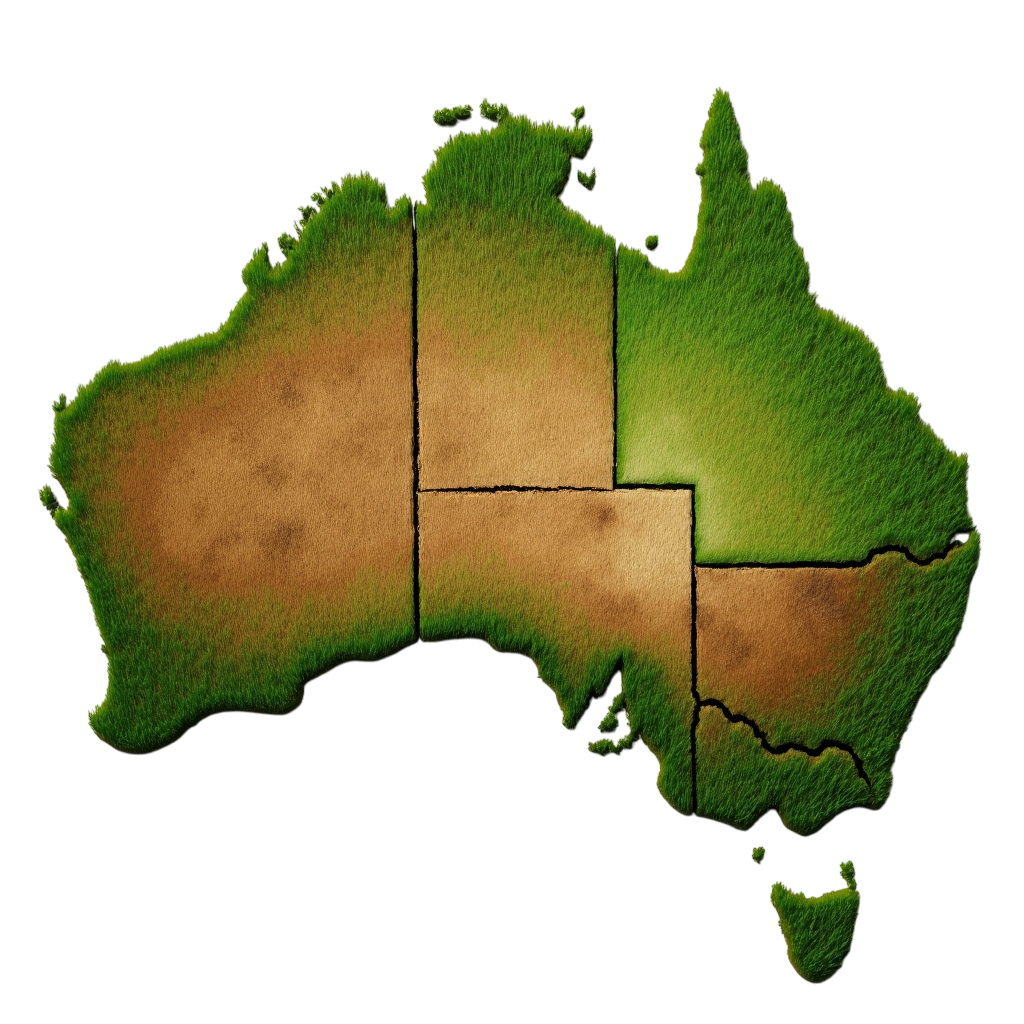
Flooding can cause significant problems for lawns and gardens, particularly in parts of Australia affected by heavy rainfall, cyclones and coastal flooding. Waterlogged soil has less oxygen available to plant roots, while floodwater can deposit sediment, cause compaction and wash nutrients from the soil. Floodwater can also carry contaminants that may affect plants, soil and food safety.
The good news is that many lawns and gardens can recover with the right approach. The key is not to rush into fertilising or replanting. First allow excess water to drain, remove debris and sediment, assess the condition of the soil and plants, and then gradually support recovery.
This guide explains what to do after flooding and how products such as seaweed, humic substances, soil conditioners and fertilisers can fit into a broader lawn and garden recovery program.
Understanding Flood Damage in Lawns and Gardens
Flooding can affect soil and plants in several ways:
Reduced oxygen: Water fills the spaces normally occupied by air in the soil. Prolonged waterlogging can reduce oxygen available to plant roots and affect root function.
Soil compaction and structural changes: Flooding, moving water and foot or machinery traffic on saturated soil can compact soil and reduce drainage and aeration.
Root damage: Prolonged waterlogging can stress roots and, in severe cases, contribute to root decay and plant death.
Sediment and debris: Floodwater can deposit silt, clay and organic debris across lawns and garden beds. Fine sediment can form a surface crust that restricts air and water movement.
Nutrient loss: Heavy rainfall and flooding can leach nutrients such as nitrogen and potassium from the soil.
Contamination: Floodwater can contain sewage, chemicals, fuel, agricultural products and other contaminants. This is particularly important when floodwater has contacted vegetable gardens or other edible crops.
The severity of damage depends on the depth and duration of flooding, the type of floodwater, soil conditions, drainage, plant species and the time of year.
Step-by-Step Lawn Recovery After Flooding
Step 1: Let the Ground Drain |
Avoid walking, mowing or operating machinery on saturated soil. Working wet soil can cause additional compaction and structural damage. Allow the water to drain naturally where possible. The right timing will vary depending on rainfall, drainage and soil type. Before working on the lawn, wait until the soil can support foot traffic without leaving deep footprints or becoming easily deformed. |
|
|---|---|---|
Step 2: Remove Debris and Excess Sediment |
Remove branches, leaves, rubbish and other debris from the lawn as soon as it is safe to do so. If floodwater has deposited a layer of fine sediment, remove excess material where practical, particularly if it is smothering the turf or forming a hard surface crust. Avoid aggressively raking saturated turf. Wait until the surface has dried sufficiently to work without pulling up healthy grass or damaging the soil. |
|
Step 3: Assess Compaction and Aerate Where Needed |
Once the soil is workable, inspect areas that remain compacted or poorly drained. A garden fork, hollow-tine corer or suitable aerating tool can be used to create channels through compacted areas and improve gas exchange. Aeration is most useful once excess water has drained. Aerating saturated soil can cause further damage rather than improving the soil. On some clay soils, particularly soils affected by sodicity, gypsum can help improve soil structure by supplying calcium. However, gypsum is not a universal treatment for every clay soil. A soil assessment can help determine whether it is appropriate. |
Micronised Gypsum – Liquid Clay Buster can be considered where gypsum is appropriate for the soil. |
Step 4: Support Soil and Plant Recovery |
Once the soil has drained and plants are showing signs of recovery, a broader soil-management program can be introduced. Seaweed extracts are commonly used in horticulture as biostimulants to support plants during periods of environmental stress. Research has investigated seaweed and humic acid treatments in turfgrass, including their effects on root growth and plant responses to drought stress. This research does not mean that seaweed products are a cure for flood damage, but they can form part of a recovery program once the immediate effects of waterlogging have been addressed. |
Seaweed Secrets can be used as part of a plant and soil recovery routine. Humic and fulvic substances can also interact with nutrients and organic matter in the soil and are commonly used in soil-management and biostimulant programs. Stimulizer provides humic and fulvic substances for use as part of a broader soil-management program. |
Step 5: Replace Nutrients Gradually |
Flooding and heavy rainfall can cause nutrient losses, but fertilising a severely waterlogged lawn too early is unlikely to solve the underlying problem. Wait until the lawn has drained and active growth has resumed. Then gradually replace nutrients according to the lawn's needs and the fertiliser's recommended application rate. Avoid applying excessive nitrogen in an attempt to force rapid green growth while the root system is still recovering. |
CHAMPION Lawn and Fairway Fertiliser can provide a controlled source of nutrients for lawns once active growth has resumed. Liquid Iron may be useful where iron deficiency or chlorosis is present. It should be used according to the product directions rather than as a general replacement for fertiliser. |
Step 6: Mow Carefully |
Wait until the lawn is actively growing before mowing again. When mowing resumes, follow the one-third rule. Avoid removing more than one-third of the grass blade height in a single mowing session. Keep mower traffic to a minimum while the soil remains soft. |
How to Help a Flooded Garden Recover
Garden plants can respond differently to flooding. Some tolerate short periods of waterlogging, while others can suffer significant root damage.
Step 1: Assess Damaged Plants |
Look for:
Severe root damage does not always mean a plant is immediately beyond recovery. If healthy roots and stems remain, some plants may recover as soil conditions improve. Remove clearly dead or rotting plant material where appropriate. |
|
|---|---|---|
Step 2: Allow the Soil to Drain |
Do not immediately dig or cultivate saturated garden beds. Once the soil is workable, gently loosen compacted areas where necessary. Avoid aggressive cultivation that can damage soil structure. If the soil has genuinely lost organic matter or requires structural improvement, suitable organic amendments such as compost may be considered. |
Products such as Activ8Mate can be incorporated into a broader soil and nutrient-management program according to their directions, but they should not be treated as a substitute for fixing drainage or severe soil compaction. |
Step 3: Consider Salinity or Contamination |
If flooding involved seawater, saline water or water from an unknown or contaminated source, don't assume the soil is safe simply because the plants appear healthy. Salts can affect plant growth, particularly following coastal or saline flooding. Floodwater can also carry biological and chemical contaminants. If contamination is suspected, seek appropriate local advice and consider soil testing before replanting or growing edible crops. Do not rely on fertilisers, humic substances or other soil amendments to make contaminated soil safe. |
|
Step 4: Support Recovery as Plants Resume Growth |
Once the soil has drained and plants are actively recovering, products designed to support plant nutrition and soil management can form part of a recovery routine. The aim is to support recovery rather than force rapid growth before the root system is ready. |
Seaweed Secrets can be used as a seaweed-based plant biostimulant. Activ8Mate provides nutrients and soil-supporting ingredients for use as directed. Stimulizer provides humic and fulvic substances for use within a broader soil-management program. |
Step 5: Prune Damaged Growth |
Once plants have started to recover, remove foliage and stems that are clearly dead, rotting or badly damaged. Don't remove healthy growth unnecessarily. Some plants can produce new growth once oxygen levels and root function improve.Avoid heavy feeding while plants remain severely stressed. Wait for signs of active recovery before applying fertilisers according to the product directions. |
Important: Flooded Vegetable Gardens
Extra care is needed if floodwater has contacted edible crops. Floodwater may contain sewage, chemicals, fuel, pathogens and other contaminants. Produce that has been directly exposed to potentially contaminated floodwater should not automatically be considered safe because it looks healthy. Follow current local food-safety advice before harvesting or replanting. Where chemical or biological contamination is suspected, soil testing and advice from the relevant agricultural or environmental authority may be appropriate. This is particularly important after flooding from rivers, drains, sewage systems, industrial areas or other sources where the composition of the floodwater is unknown.
Should You Reseed or Replant After Flood Damage?
Not every flooded lawn or garden needs to be replanted. Give surviving plants time to recover before removing them. Once drainage has been restored and the soil is workable, assess how much healthy turf or vegetation remains.
| Lawns: | Gardens: |
|---|---|
|
Don't automatically reseed immediately after flooding. First:
If large areas remain bare or the turf has died, reseeding or returfing may be appropriate. Choose a grass suited to your local climate, soil and growing conditions. In Queensland, buffalo and couch are examples of commonly grown lawn grasses, but suitability varies by location and site conditions. Avoid seeding directly into compacted or poorly drained soil. |
Remove plants where roots or stems are severely damaged and unlikely to recover. For plants that still have healthy roots or growing points, allow time for recovery before replacing them. When replanting, consider species that are better suited to the drainage and conditions of the site, particularly where periodic waterlogging is unavoidable. If edible crops have been exposed to potentially contaminated floodwater, follow food-safety guidance before replanting. |
Preventative Measures for Future Flooding
You cannot control extreme weather, but you can improve how your lawn and garden handles heavy rainfall.
- Improve drainage: Where appropriate, consider drainage improvements, raised beds, swales or other site-specific measures to move excess water away from plant roots.
- Maintain healthy soil structure: Avoid unnecessary traffic on wet soil and address compaction before it becomes a recurring problem. Where soil testing indicates a need, appropriate amendments such as gypsum or organic matter can be incorporated into a longer-term soil-management program.
- Maintain organic matter: Organic matter contributes to soil structure and provides a source of carbon for soil organisms. Compost and other suitable organic amendments can form part of a long-term soil-health program.
- Maintain active roots: A healthy, actively growing root system can help maintain soil structure and support plant resilience. Avoid creating unnecessary stress through overwatering, overfertilising or inappropriate mowing.
- Time fertiliser applications carefully: Avoid unnecessary fertiliser applications when heavy rainfall is forecast and significant runoff is likely. Follow the recommended rate and timing for the product being used.
Plant Doctor Products for Flood Recovery
Flood recovery starts with drainage, soil assessment and careful management. Plant Doctor products can then be incorporated where they suit the condition of the lawn, garden or soil.
| Product | Suitable use | Role in a recovery program |
|---|---|---|
| Seaweed Secrets | Lawns and gardens | Seaweed-based biostimulant for plant stress-support programs |
| Stimulizer | Soil and plant programs | Humic and fulvic substances for soil and nutrient management |
| Micronised Gypsum – Liquid Clay Buster | Suitable clay or sodic soils | Calcium-based soil amendment where gypsum is appropriate |
| CHAMPION Lawn and Fairway Fertiliser | Recovering lawns | Controlled nutrient supply once active growth resumes |
| Liquid Iron | Lawns and plants showing iron deficiency | Iron and sulphur source where appropriate |
| Activ8Mate | Lawns, gardens and soil programs | Nutrient and soil-support product for use according to directions |
The Key to Flood Recovery
The most important thing after flooding is to avoid trying to fix everything at once. Start with the basics:
Drain the soil. Remove debris. Avoid working saturated ground. Assess the damage. Improve aeration where needed. Check for contamination. Then gradually support plant and soil recovery.
Healthy soil and plants can often recover from temporary flooding, but severe or prolonged waterlogging may cause lasting damage. The right recovery approach depends on the type of soil, duration of flooding, plant species, drainage and whether the floodwater was contaminated. For lawns and gardens in flood-prone areas, improving drainage and maintaining healthy soil before the next major rainfall event can make recovery easier when flooding does occur.
Products in this article
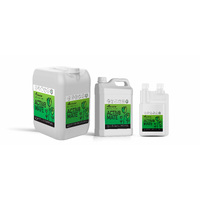
Activ8mate Liquid Fertiliser Inoculant - For use on Plants, Lawns, Veggies, Trees, Natives
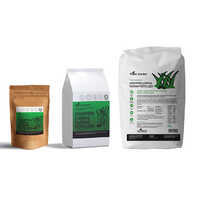
CHAMPION Lawn & Fairway - Slow release granular fertiliser
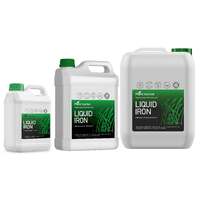
Liquid Iron Fertiliser - 7% Iron 3% Sulphur
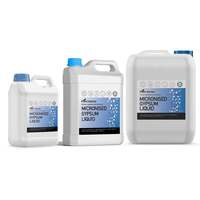
Micronised Gypsum Liquid Premium Clay Buster
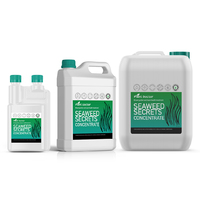
Seaweed Secrets | Concentrated Liquid Seaweed (Kelp) | Super-Boosted with Humic & Fulvic Acid

Stimulizer - Super concentrate Bio-stimulant & natural chelating agent

Leave a comment