
Case Studies: VolcaMin Clinoptilolite Zeolite in Action
 What agricultural trials tell us about nutrient retention, water management, fertiliser efficiency and crop performance
Clinoptilolite zeolite is a naturally occurring mineral with a porous structure and high cation exchange capacity (CEC), making it particularly interesting for agricultural and horticultural soil management.
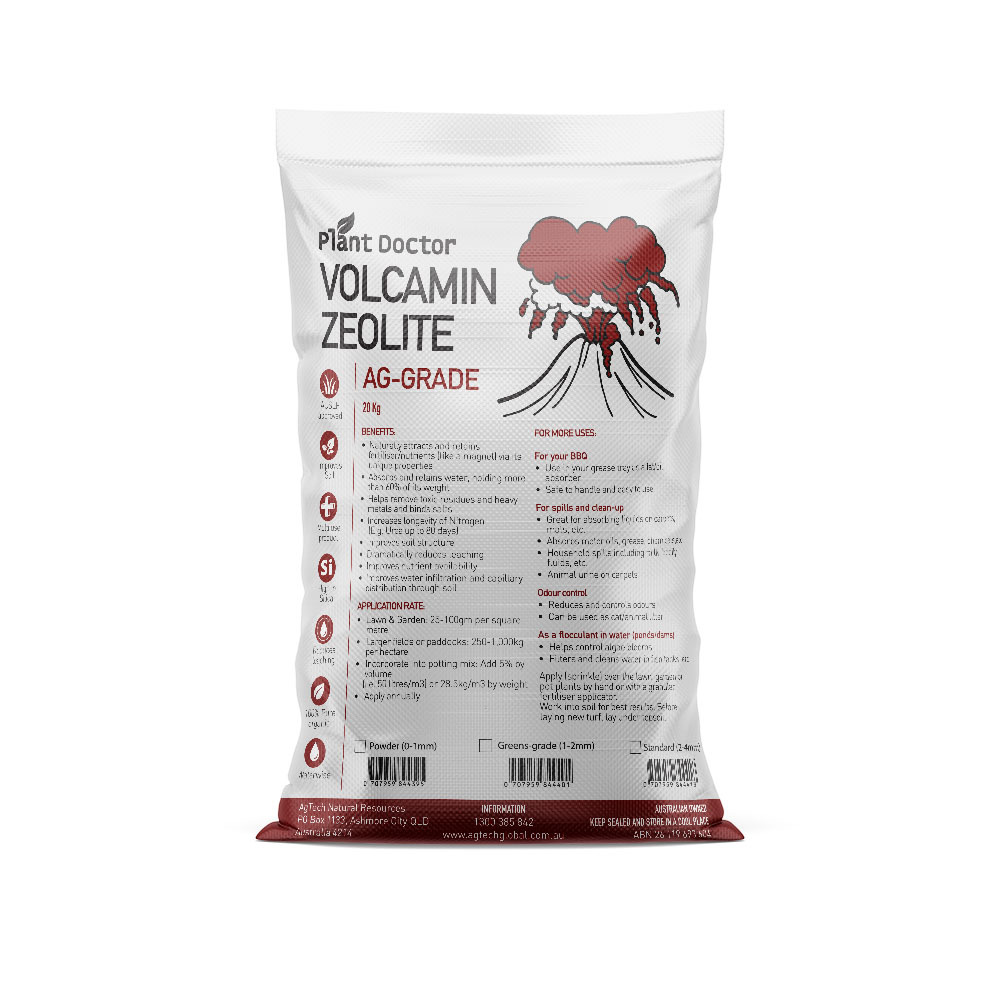
VolcaMin is a clinoptilolite zeolite soil amendment used in agricultural, horticultural, turf and growing-media applications. Its ability to hold and exchange positively charged nutrients such as ammonium, potassium, calcium and magnesium makes it useful in situations where nutrient retention and efficient use of water and fertiliser are important.
But what does the trial data actually show?
A range of historical field and university trials have investigated VolcaMin across different crops, soil types and growing environments. The reported results include improved nitrogen recovery, reduced nutrient leaching, changes in fruit size and distribution, improved nutrient uptake and increased yields in some trials.
This article brings those case studies together to examine how VolcaMin has performed under different agricultural conditions and what the results can tell us about the potential role of clinoptilolite zeolite in soil management.
What Is Clinoptilolite Zeolite?
Clinoptilolite is a naturally occurring zeolite mineral with a highly porous crystalline structure.vOne of its most important characteristics is its cation exchange capacity, or CEC. CEC describes the ability of a material to hold and exchange positively charged nutrient ions. Clinoptilolite has an affinity for several important plant nutrients, particularly ammonium (NH₄⁺) and potassium (K⁺), as well as calcium (Ca²⁺) and magnesium (Mg²⁺). When these nutrients are held on the exchange sites of the zeolite, they can remain within the soil or growing medium rather than immediately moving through the profile with water. This creates what can be thought of as a nutrient reservoir within the root zone.
Clinoptilolite's porous structure can also influence water movement and distribution through soil and growing media. These characteristics make zeolite particularly relevant to soils where nutrient leaching, low nutrient-holding capacity or inconsistent moisture availability are concerns.
How Can VolcaMin Work in Soil?
The potential benefits of VolcaMin can broadly be grouped into several areas.
| Nutrient retention |
The negatively charged structure of clinoptilolite can attract and hold positively charged nutrients. These include:
Rather than all of these nutrients remaining freely dissolved in soil water, some can be held on exchange sites and subsequently exchanged back into the soil solution. This can help keep nutrients within the active root zone. |
| Nitrogen management |
Nitrogen is an essential plant nutrient, but it can also be susceptible to loss from agricultural systems. Clinoptilolite has a particularly strong affinity for ammonium, allowing it to retain ammonium ions within its structure. This is one reason nitrogen retention and recovery are among the most commonly investigated agricultural applications of zeolite. |
| Water management |
The porous structure of VolcaMin can influence water retention, infiltration and capillary distribution. The aim is not simply to hold as much water as possible. A productive root zone needs a balance between moisture availability and drainage. The original VolcaMin case-study data reports that the material can hold water higher in the soil profile while continuing to allow drainage through the soil. |
| Long-term soil amendment |
Unlike organic amendments that decompose over time, clinoptilolite is a stable mineral. The original VolcaMin information describes it as a permanent amendment that does not physically break down or become consumed by microbial decomposition. A more useful way to interpret this is that the mineral can provide long-lasting nutrient-exchange and physical properties within the soil. |
VolcaMin Technical Characteristics
The following physical characteristics help explain its use as a soil amendment.
| Property | Reported characteristic |
|---|---|
| Mineral | Clinoptilolite zeolite |
| Total porosity | 42.4% |
| Water holding | Up to 26.6% of volume |
| Key nutrient property | High cation exchange capacity |
| Longevity | Stable, long-lasting mineral amendment |
The combination of porosity, water-holding capacity and CEC gives clinoptilolite a number of properties that are relevant to nutrient and water management.
Case Study 1: Malaysian Mango Production
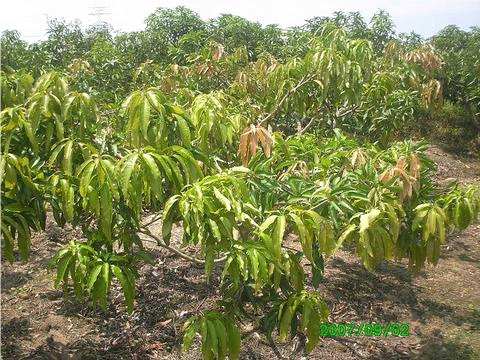
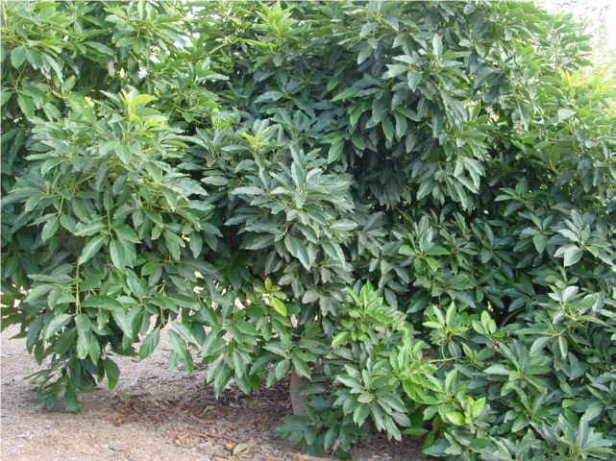
One of the standout examples of VolcaMin's effectiveness can be seen in the improvement of Malaysian Mangoes. Over a span of three months, a significant transformation occurred in mango farms using VolcaMin as part of their soil management system.
|
Before VolcaMin (Pre-Application)
20th August 2007 (Pre-Application) |
Before application, the mangoes were grown in soil conditions described as having:
These conditions can be particularly challenging in tropical environments where heavy rainfall can move water and soluble nutrients rapidly through the soil profile. |
|
|---|---|---|
|
After VolcaMin (3 Months Later)
3 Months Later |
VolcaMin was incorporated into the root-zone soil at a reported concentration of 1% to 5%, alongside fertiliser. Three months after application, the case study reported visibly healthier foliage and improved tree growth, with improved foliage and fruiting observed across the farm. Reported Benefits included:
|
|
Conclusion
The mango example illustrates why zeolite can be particularly interesting in tropical agricultural environments, where high rainfall can increase the risk of nutrient movement through the soil.
Mango Case Study Snapshot
| Factor | Reported result |
|---|---|
| Crop | Mango |
| Location | Malaysia |
| Pre-application date | 20 August 2007 |
| VolcaMin application | 1–5% of root-zone soil |
| Assessment period | 3 months |
| Reported outcome | Improved foliage and plant growth |
Comparing Soil With and Without VolcaMin
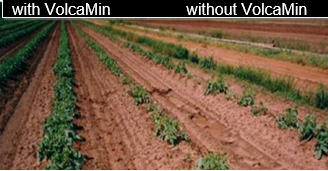
One of the main reasons to consider a high-CEC mineral such as clinoptilolite is the difference it can make to nutrient movement within the soil. VolcaMin's role as a soil and fertiliser enhancer becomes especially clear when comparing the performance of soil systems with and without its inclusion. Below, we’ll break down the key differences between soil with and without VolcaMin, focusing on nutrient retention, water management, and environmental benefits
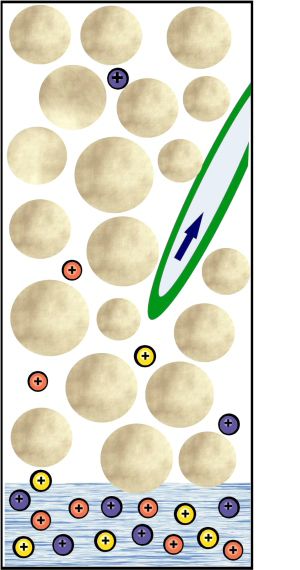 Without VolcaMin Without VolcaMin |
In soils lacking VolcaMin, water and soluble fertilisers quickly pass through the soil profile without anything to retain or attract them. This is particularly problematic in soils with low cation exchange capacity (CEC), where nutrients are prone to leaching away, rather than being held in place for plant uptake. This can contribute to:
|
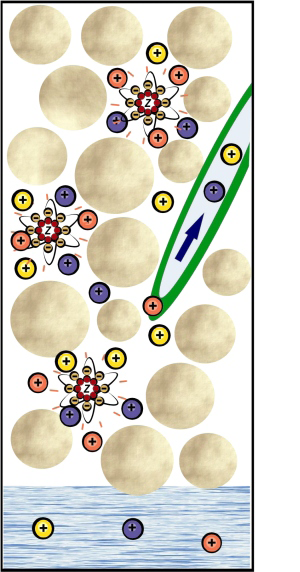 With VolcaMin With VolcaMin |
In contrast, when VolcaMin is incorporated into the soil, it acts as a nutrient magnet, attracting and holding onto water and soluble fertilisers. The zeolite's negative ionic charge naturally binds with positively charged nutrients like ammonium, potassium, calcium, and magnesium, making them available to plants over time. This can contribute to:
|
Conclusion: A Permanent Solution for Improved Soil Health
Incorporating VolcaMin into your soil system has a lasting impact. Unlike traditional amendments, VolcaMin doesn’t break down or get consumed by microbes, making it a permanent solution for improving soil structure, nutrient retention, and water management. The result is a healthier, more productive soil environment, leading to better plant nutrition, higher yields, and reduced environmental impact.
Case Study 2: University of New England Trial: Lettuce and Reseda Odorata Growth, Nitrogen Uptake
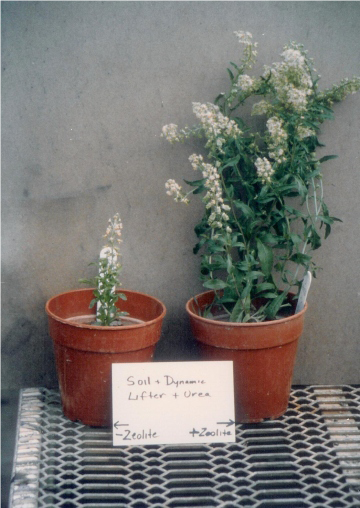
A trial conducted by the University of New England, in collaboration with the Department of Agronomy and Soil Science, investigated the effects of VolcaMin on plant growth and nitrogen uptake. The trial involved:
- Lettuce
- Reseda odorata, commonly known as mignonette
- Uralla sandy granitic soil
- Potting mixes containing 8% VolcaMin by weight
One of the standout benefits of VolcaMin is its exceptional ability to attract, hold, and release nitrogen, particularly in the form of ammonium (NH₄⁺), which is a critical nutrient for plant growth. Nitrogen is a key component in plant proteins, chlorophyll, and enzymes, making it vital for robust plant development. However, nitrogen is often prone to leaching, especially in soils with low nutrient-holding capacity, which can lead to poor plant nutrition and environmental issues. VolcaMin’s unique properties help mitigate these problems by ensuring that nitrogen stays within the root zone, available for plant uptake. The zeolite's natural affinity for ammonium ions helps retain nitrogen fertilisers, preventing them from leaching through the soil. This allows plants to actively absorb the nitrogen they require at their own pace, optimising growth and minimising waste.
  |
Key Findings: | |
| Increased Plant Growth: | The addition of VolcaMin resulted in notable improvements in plant growth. Plants grown in mixes containing VolcaMin showed larger, healthier growth compared to those grown without it. | |
| Reduced Nitrogen Toxicity: | VolcaMin helped reduce nitrogen toxicity during the early stages of plant growth. By slowly releasing nitrogen to the plants, it avoided nutrient imbalances and promoted steady growth. | |
| Enhanced Nitrogen Retention: | VolcaMin demonstrated the ability to hold nitrogen in its absorbed ammonium form (NH₄⁺), preventing it from leaching out of the soil. This makes nitrogen more accessible to plants over time, which is especially valuable in conditions where nitrogen is typically lost quickly through rainfall or irrigation. | |
| Improved Nitrogen Uptake: | The results showed that plants in potting mixes containing VolcaMin had a 175% improvement in nitrogen uptake compared to those grown in mixes without it. This translated to more efficient use of nitrogen fertilisers, reducing the need for excessive applications. | |
Conclusion:
The trial results highlight VolcaMin’s ability to significantly improve nitrogen uptake and fertiliser utilisation. By retaining nitrogen in the root zone and making it available when needed, VolcaMin ensures that plants get the nutrition they require without the risk of nutrient loss or toxicity. This leads to healthier plants, reduced fertiliser waste, and improved crop yields. The 175% figure represents the result reported for this specific trial and should not be interpreted as a guaranteed increase across all crops or soil types.
Trial Snapshot
| Factor | Details |
|---|---|
| Organisation | University of New England |
| Crops | Lettuce and Reseda odorata |
| Soil | Uralla sandy granitic soil |
| VolcaMin inclusion | 8% by weight |
| Reported outcome | 175% higher nitrogen uptake |
Case Study 4: Enhanced Uptake of Nitrogen, Potassium, and Trace Elements with VolcaMin
VolcaMin’s unique properties make it a powerful tool for improving the uptake of essential nutrients such as nitrogen, potassium, and trace elements. These nutrients are critical for plant health, growth, and yield, yet are often lost due to leaching or locked in the soil, making them unavailable to plants. Below is a summary of the remarkable results from trials that demonstrate VolcaMin’s impact.
| Benefit | Trial | Results |
|---|---|---|
|
Improved Nitrogen Recovery Nitrogen is a cornerstone nutrient for plant development, but its high mobility in soil often results in significant leaching losses. |
Trials conducted at Cornell University in the USA demonstrated the potential of VolcaMin to improve nitrogen recovery and reduce nitrogen leaching in a sand-based growing profile. |
Recovery of Applied Nitrogen in Grass: The trial measured the percentage of applied fertiliser nitrogen (N) that was recovered in bent grass clippings from sand profiles, comparing sand without VolcaMin with sand amended with VolcaMin. In the sand profiles without VolcaMin, between 62% and 70% of the applied fertiliser N was recovered in the grass clippings. When 10% VolcaMin was added to the sand, a greater proportion of the applied fertiliser N was recovered in the bent grass clippings, with 75% to 93% of the applied N being recovered. This difference was most noticeable at the lower nitrogen application rate. |
|
Reduced Nitrogen Leaching: Adding 10% VolcaMin to the sand also resulted in substantially less nitrogen leaching:
|
||
|
Together, these results demonstrate that, under the conditions of this trial, adding 10% VolcaMin to the sand increased the proportion of applied nitrogen recovered in grass clippings while substantially reducing nitrate and ammonium leaching. The findings highlight VolcaMin's potential to retain nitrogen within the root zone, reduce nutrient losses and keep nitrogen available for plant uptake. |
||
|
Enhanced Potassium Uptake Potassium is critical for flowering, bud initiation, and fruit development, and is one of the most expensive nutrients to supply. VolcaMin's natural affinity for potassium ensures it remains stored in the soil for efficient plant use.
|
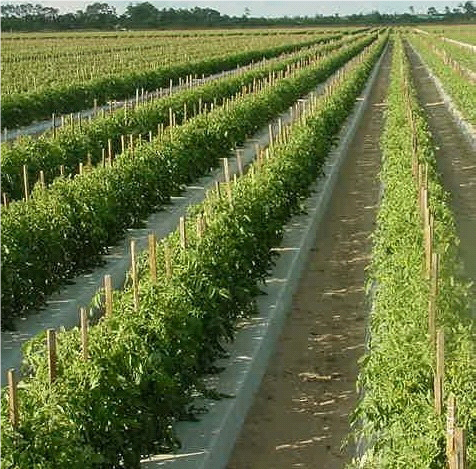
The importance of VolcaMin's ability to retain and supply potassium was demonstrated in a 2003 trial on a commercial trellis tomato crop (cv. Red Ruby). The trial was conducted on Shepparton Fine Sandy Loam soils, with VolcaMin applied at a rate of 1.4 t/ha.
|
Compared with the untreated control, the VolcaMin treatment resulted in a significant increase in medium- and large-grade fruit. Petiole sap analysis also revealed higher potassium levels in the VolcaMin-treated plants. The higher potassium levels were associated with:
|
|
Potassium availability plays an important role in flowering, fruit development and overall crop yield. By retaining potassium within the soil and making it available for plant uptake, VolcaMin can help maintain access to this important nutrient throughout the growing season.
|
||
|
Improved Trace Element Uptake Trace elements like phosphorus, copper, manganese, calcium, magnesium, and zinc are essential for plant metabolism and growth. However, their availability can often be limited in poor soils. |
Trials conducted by the University of Colorado Soil Science Department using Sorghum Sudan grass highlighted the potential of VolcaMin to improve crop production and the uptake of important nutrients and trace elements. |
The VolcaMin-treated plots recorded a 65% increase in production compared with the untreated plots. Improved Nutrient and Trace Element Concentrations The trial also recorded substantial increases in the concentrations of several nutrients and trace elements within the plant tissues:
|
|
These results indicate that, under the conditions of this trial, VolcaMin was associated with increased production as well as higher concentrations of several essential nutrients and trace elements in the plant tissue. VolcaMin can help improve the soil's ability to retain and cycle nutrients, potentially increasing their availability within the root zone and supporting plant uptake. 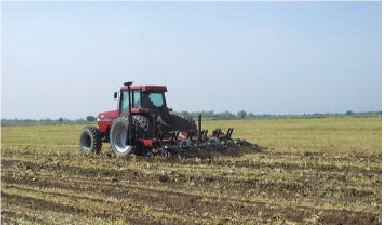 |
Naturally Extracts Phosphorus
VolcaMin plays a pivotal role in unlocking phosphorus that is often bound in soil or mineral apatites, making it unavailable to plants. This process occurs naturally through active root uptake and the unique ion exchange properties of VolcaMin.
How VolcaMin Unlocks Phosphorus
- Plants extract stored ammonium and potassium from VolcaMin by releasing hydrogen ions to replace the nutrients on its structure.
- The loosely bonded hydrogen ions exchange back into the soil as VolcaMin attracts calcium ions more strongly.
- This exchange process can even break the bond between calcium and phosphorus, pulling calcium onto the VolcaMin and releasing phosphorus for plant uptake.
Research Insight from the US Geological Survey
The chemical interaction can be summarised as:
Phosphate rock + NH₄-VolcaMin <=> Ca-VolcaMin + NH₄ + H₂PO₄
Benefits of VolcaMin in Phosphorus Management:
- Naturally extracts phosphorus from applied phosphorus locked up in the soil.
- Extracts calcium from phosphates, freeing phosphorus for plant use.
- Acts as an excellent partner to fertilisers such as MAP, DAP, Urea, and potassium-based products.
- Buffers and holds ammonium and urea for gradual nutrient release.
VolcaMin’s ability to unlock phosphorus and enhance nutrient availability ensures optimal plant nutrition and improved fertiliser efficiency.
Improved Fertiliser Conversion
|
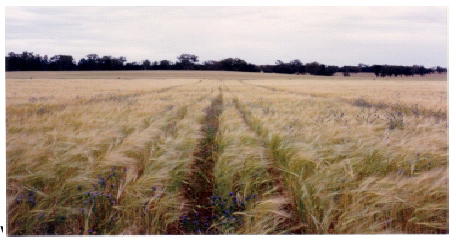
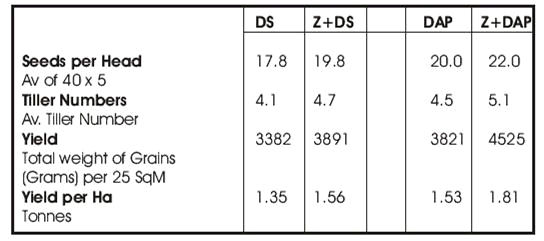
VolcaMin Zeolite on Clipper Malting Barley Trial – Australian Agricultural Technology, Barooga, NSW A trial on Clipper malting barley was conducted by Australian Agricultural Technology at Barooga, NSW, to evaluate the effects of VolcaMin on fertiliser performance and yield. |
The results demonstrated significant improvements in fertiliser conversion and crop outcomes:
|
 |
 |
Improved Soil Structure
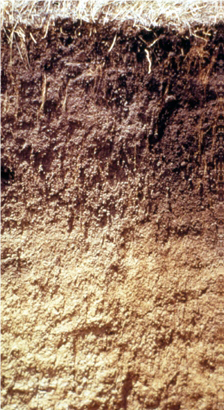 |
VolcaMin also significantly enhances soil structure due to its massive internal surface area and high porosity. These properties contribute to better water management, soil health, and nutrient availability. | |
| Improved Water Dynamics |
|
|
| Enhanced Soil Health |
|
|
| Durability and Longevity |
|
|
This makes VolcaMin an ideal solution for tropical applications with poor soils and high rainfall, ensuring sustainable improvements in both soil health and crop productivity.
Case Study 5: Echuca Tomato Trial
The following trials highlight the significant impact of VolcaMin on tomato crop performance across various locations and conditions. From processing tomatoes in Echuca to commercial trellis crops in Bundaberg and the Goulburn Valley, VolcaMin has consistently demonstrated its ability to improve yields, fruit size, and nutrient uptake. By enhancing the soil's ability to retain essential nutrients like potassium and improving overall soil structure, VolcaMin provides a clear advantage for tomato growers looking to optimize crop quality and quantity.
Property of Mick Cox: A trial was arranged through PIVOT representative Russell Nichol to evaluate the effect of adding VolcaMin at a rate of 125 kg/ha in addition to a normal fertiliser program on processing tomatoes. The VolcaMin was added with Pivot 16 fertiliser at the final stage of bed preparation prior to direct seeding. Approximately 1 hectare was treated (3 rows), and the crop was mechanically harvested on 17th March 1992.
| Row |
Treatment (Bins per Row) |
Control (Bins per Row) |
|---|---|---|
| 1 | 14.5 | 13.0 |
| 2 | 13.0 | 12.5 |
| 3 | 13.5 | 12.0 |
| Total | 41.0 | 37.5 |
| RESULTS: |
The application of VolcaMin resulted in a 10% increase in yield, producing an additional 7.5 tons per hectare valued at $817.50. |
 |
Case Study 6: Bundaberg Tomato Trial
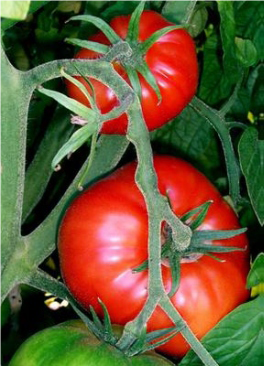
The plants were grown in raised rows 9” wide with 27” spacing between rows. VolcaMin was applied within the rows at rates of 0.125 tonne and 0.25 tonne per acre. The VolcaMin was incorporated with the fertiliser directly into the rows at planting, and watering was by trickle irrigation.
| Yield Assessment: | VolcaMin at 1 tonne per acre (equivalent): 60 kg Untreated adjoining row: 50 kg Increase: 20% |
VolcaMin at 0.5 tonne per acre (equivalent): 45 kg Untreated adjoining row: 40 kg Increase: 12.5% |
 |
|---|---|---|---|
| Total Harvest Results: | The row with 1 tonne per acre (equivalent) of VolcaMin resulted in a 10% increase in fruit size and a 10-12% increase in yield weights. | ||
| Economic Benefits: | The average yields on tomato production in Bundaberg are 1500-2000 cases per acre. The 10% increase in yield produced an additional 150 cases of tomatoes per acre, valued at $1500. | ||
Case Study 7: Institute of Sustainable Irrigated Agriculture Trial
The trial was conducted in 2003 in the Goulburn Valley, with indeterminate tomato (cv Red Ruby) grown on Shepparton Fine Sandy Loam. The effect of VolcaMin was evaluated at a rate of 1.4t/ha applied pre-planting.
| Crop Performance & Yield: |
|
|
|---|---|---|
| Additional Findings: |
|
|
The results from these trials underscore VolcaMin’s role in boosting tomato yields and improving crop performance. Whether applied in conjunction with a regular fertiliser program or as part of a tailored soil treatment, VolcaMin increases fruit size, enhances nutrient availability, and improves plant growth. These benefits lead to not only higher yields but also higher quality produce. For tomato growers, VolcaMin offers a proven solution to maximize productivity and profitability while improving soil health and sustainability.
| Treatment | Small | Medium | Large | Total | ||
|---|---|---|---|---|---|---|
| Fruit Category | VolcaMin | 136.7 | 76.5 | 2.4 | 215.5 | /m |
| 59.4t | 67.4 | 2.8 | 129.7 | t/Ha | ||
| Control | 116.4 | 58.1 | 0.9 | 175.4 | /m | |
| 57.8 | 48.9 | 0.8 | 107.7 | t/Ha |
| Treatment | Proportion in Category (%) | Average Fruit Size (g) | |||
|---|---|---|---|---|---|
| Fruit Size | Small | Medium | Large | Size | |
| VolcaMin | 43.0 | 54.6 | 2.4 | 90.2 | |
| Control | 51.0 | 48.3 | 93.6 | ||
What Do These Trials Tell Us?
Looking across the different trials, several recurring themes emerge.
1. Nutrient retention is a key application: One of the strongest reasons for using clinoptilolite in soil is its ability to retain positively charged nutrients. This is particularly relevant to: ammonium, potassium, calcium, magnesium. Holding these nutrients within the soil can potentially reduce their movement beyond the active root zone.
2. Nitrogen management is particularly important: The nitrogen trials reported: higher nitrogen recovery, improved nitrogen uptake, reduced nitrate leaching, reduced ammonium leaching. These results are particularly relevant to sandy soils and other growing environments with limited nutrient-holding capacity.
4. Water management is about balance: VolcaMin is not simply a product for "holding more water." Its porous structure can influence water infiltration, retention and capillary movement while still allowing drainage. The objective is a more balanced root-zone environment where plants have access to moisture without excessive waterlogging.
Why Could Zeolite Be Useful in Sandy Soils?
Sandy soils can present particular challenges for nutrient management. Their coarse texture can allow water to move rapidly through the soil profile, while relatively low CEC can limit the soil's ability to retain certain nutrients. This can increase the risk of nutrients moving below the active root zone following rainfall or irrigation. Adding a high-CEC mineral such as clinoptilolite provides additional exchange sites for nutrients such as ammonium and potassium. This is one reason agricultural zeolite has been investigated for use in:
- sandy soils
- horticultural production
- irrigated cropping
- high-rainfall environments
- growing media
- turf and intensive plant production
Environmental Considerations
Improving nutrient retention is not only about fertiliser efficiency. When nutrients are lost from agricultural soils through leaching and runoff, they can potentially move into drainage systems and waterways. Retaining more nutrients within the root zone may therefore help reduce nutrient losses from the production system. The original VolcaMin case studies identify reduced nutrient leaching and runoff as potential environmental benefits. However, these benefits depend on the soil, crop, nutrient-management program and environmental conditions. Zeolite should therefore be considered as one part of a broader nutrient-management strategy rather than a standalone solution to nutrient pollution.
| Important Considerations Before Using VolcaMin |
The trials discussed in this article were conducted under different conditions, using different crops, soils, application rates and fertiliser programs. A result observed in one trial should not automatically be interpreted as a guaranteed result in another agricultural system. Before using VolcaMin, consider: |
| Soil Type | Sandy, low-CEC soils may respond differently from heavier soils that already have high nutrient-holding capacity. |
| Soil Chemistry | Soil pH, CEC, nutrient levels and salinity should be considered when deciding whether a mineral amendment is appropriate. |
| Crop Requirements | Different crops have different nutrient requirements, root systems and responses to soil conditions. |
| Fertiliser Program | VolcaMin should generally be considered as part of an overall nutrient-management program rather than as a replacement for required fertilisers. |
| Application Rate | Application rates should be selected according to the crop, soil, growing system and intended purpose. |
| Trial First | Where practical, testing a treatment on a smaller area before adopting it across an entire property can provide useful site-specific information. |
The Bottom Line
The historical VolcaMin trials and case studies provide a useful body of evidence demonstrating why clinoptilolite zeolite is of interest for agricultural soil management. Across different crops and growing environments, the reported results include:
- improved nitrogen recovery
- increased nitrogen uptake
- reduced nitrate and ammonium leaching
- improved nutrient retention
- improved potassium availability
- changes in fruit size and distribution
- improved plant tissue nutrient concentrations
- increased crop production in some trials
- improved water-management characteristics
The results also show that responses are not identical across every crop or soil. In some trials, the strongest response was seen in nutrient recovery. In others, improvements were observed in fruit size, fruit distribution, nutrient status or total yield. This is why VolcaMin is best considered as a long-lasting mineral soil amendment that complements an overall soil, water and nutrient-management program. For growers working with sandy soils, nutrient leaching, high rainfall or low nutrient-holding capacity, clinoptilolite zeolite may be worth investigating as part of a site-specific soil-management strategy.
Trial Data & Source Note
The trial results presented in this article are based on historical VolcaMin case-study and trial information published by Plant Doctor, including reports attributed to the University of New England, Cornell University, the University of Colorado Soil Science Department, Australian Agricultural Technology and the Institute of Sustainable Irrigated Agriculture.
Some of the original historical material contains incomplete or inconsistent formatting, particularly around the Bundaberg tomato application rates and some tabulated trial data. Those figures should be checked against the original trial reports before being used to establish current application recommendations.
The results described here represent outcomes reported under specific trial conditions and should not be interpreted as guaranteed results for every crop, soil type or growing environment.
Products in this article
VolcaMin (clinoptilolite Zeolite) - Agriculture Grade 1-2mm
VolcaMin (clinoptilolite Zeolite) - Horticulture & Agriculture Grade - 2-4 mm
VolcaMin Zeolite - Agriculture Grade < 1.0mm Powder

Leave a comment