Great for new lawns
Used this when seeding perennial ryegrass. Worked out great for soil condition and strong, fast root establishment.

Permanent Soil Conditioner for Nutrient Retention & Water Efficiency
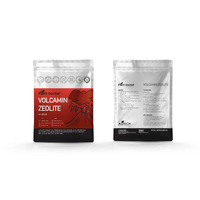
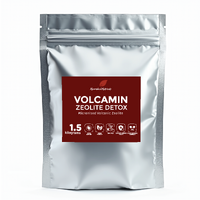
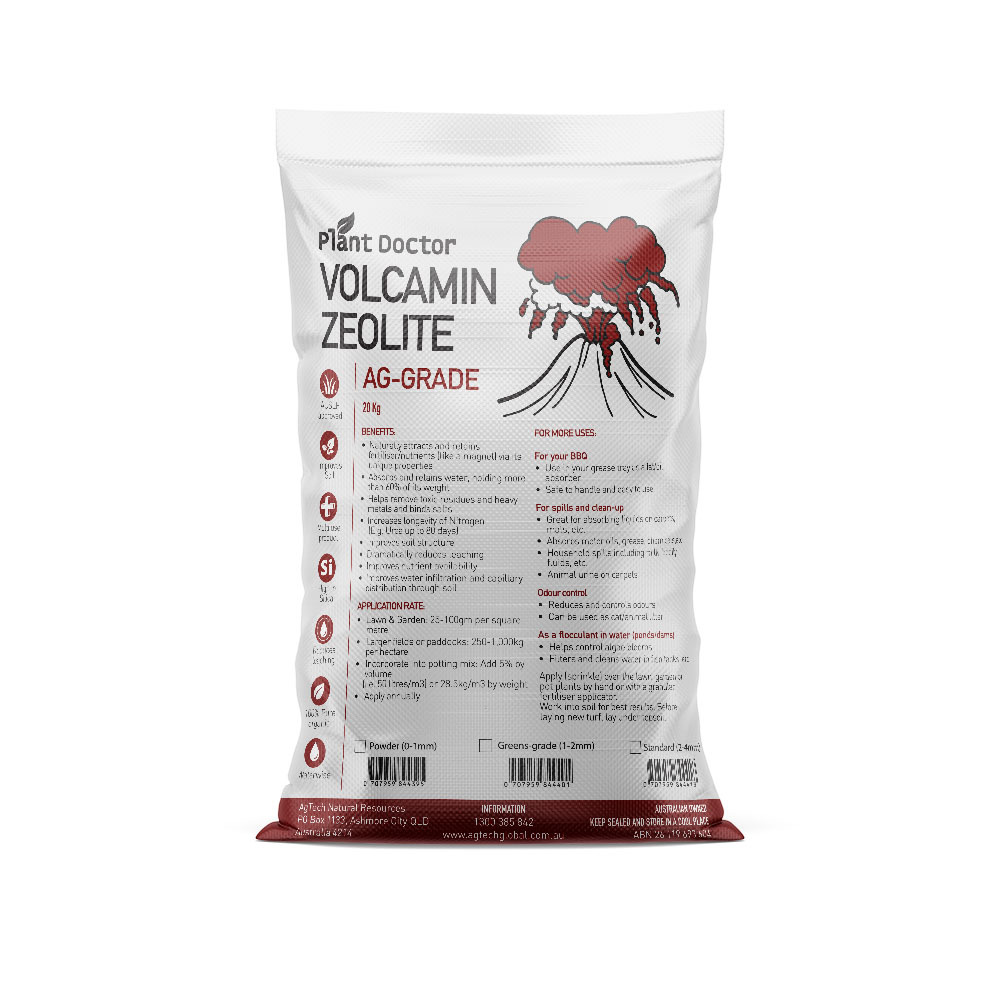
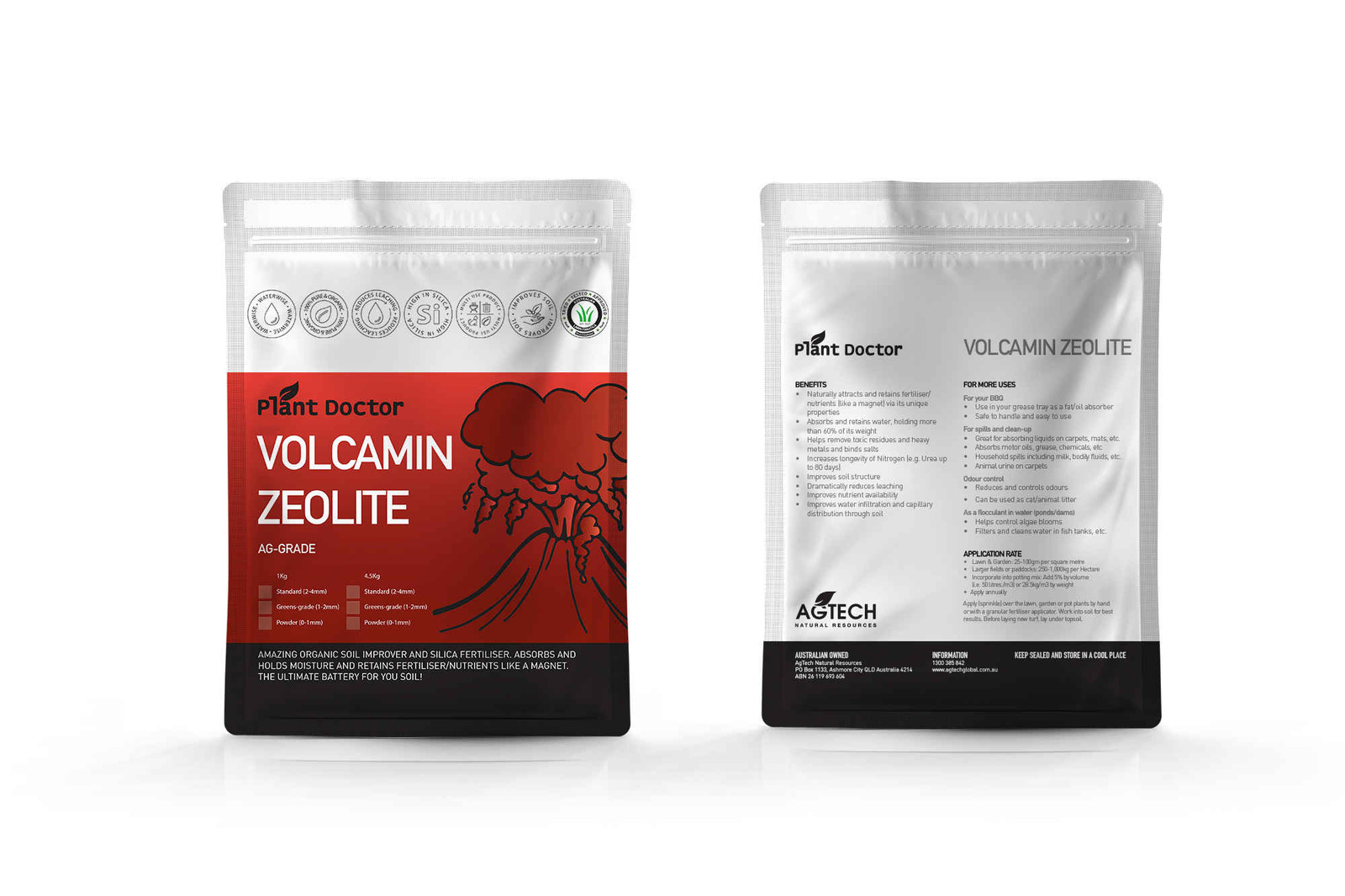
VolcaMin isn’t just another soil additive; it’s a permanent soil upgrade. Think of it as a fertiliser battery: it charges up by storing valuable nutrients when they’re available, then releases them slowly as plants need them. The result? Healthier soil, stronger plants, and better fertiliser efficiency, season after season. Its highly porous, crystalline structure holds water and nutrients in the root zone, improves soil structure, and prevents leaching, especially valuable in sandy soils, high-rainfall areas, and under drip irrigation.
You should use VolcaMin in sandy or non-wettable soils, areas with high rainfall or heavy irrigation where nutrients are easily leached, or when fertiliser efficiency is poor due to nutrient lock-up. It’s also ideal for gently buffering acidic soils and supporting long-term improvements in soil productivity. VolcaMin (Clinoptilolite Zeolite) is a versatile natural mineral with a wide range of applications for households, BBQs, odour control, water treatment, and soil improvement. Its unique properties make it an essential solution for efficient cleanup, water management, and sustainable gardening.
Why choose VolcaMin (Clinoptilolite Zeolite):
VolcaMin is an eco-friendly, multipurpose product perfect for household, gardening, and water management needs. Whether it’s cleaning up spills, enhancing soil health, controlling odours, or treating water, VolcaMin delivers outstanding results while being sustainable and cost-effective.
Some alternative uses of VolcaMin are:
| For Your BBQ: | Absorbs fat and oil in grease trays, preventing mess and reducing fire risk. |
| Spills and Cleanup: | Absorbs liquids on carpets, mats, and other surfaces. Effective on motor oils, grease, and chemicals. Cleans household spills, including milk and bodily fluids. Removes animal urine from carpets and fabrics. |
| Odour Control: | Reduces and controls unpleasant odours. Doubles as cat or animal litter. |
| Water Treatment (Ponds/Dams/Fish Tanks): | Acts as a flocculant to reduce algae blooms. Filters and cleans water, improving clarity and quality. |
(567)
VolcaMin enhances the availability of essential nutrients, including nitrogen, potassium, phosphorus, and trace elements. Key results include:
VolcaMin's porous structure acts as a natural wetting agent, improving water infiltration and capillary distribution. Benefits include:
VolcaMin enhances fertiliser efficiency by boosting nutrient uptake and reducing waste. Examples:
VolcaMin releases locked-up phosphorus by breaking the bond between calcium and phosphorus, making it more available to plants. Particularly beneficial in:
VolcaMin improves soil structure by increasing porosity, aeration, and cation exchange capacity (CEC). Benefits include:
VolcaMin is a permanent soil conditioner that does not break down or get consumed by microbes. This provides:
VolcaMin is a permanent soil conditioner that does not break down or get consumed by microbes. This provides:
| Technical Highlights | |
|---|---|
| Source: | Natural clinoptilolite zeolite |
| Form: | 2-4 mm granules (horticulture & agriculture grade) |
| CEC: | Exceptionally high – nutrient “battery” effect |
| pH Effect: | Slightly alkaline (reduces lime requirements) |
| Longevity: | Permanent amendment – won’t break down |
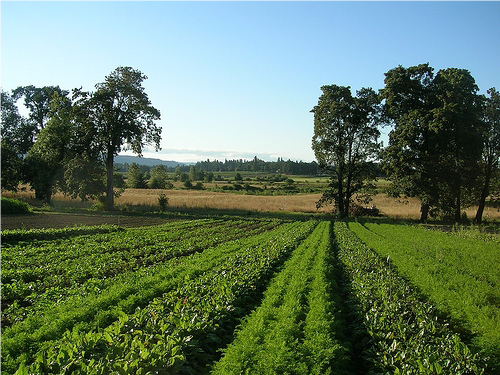
VolcaMin’s power comes from clinoptilolite zeolite, a natural mineral with an exceptionally high cation exchange capacity (CEC). Its negatively charged crystal lattice attracts and stores positively charged nutrient ions like ammonium, potassium, magnesium, and calcium, holding them in the root zone until plants need them.
VolcaMin is a powerful tool for enhancing soil health and improving plant performance, offering a range of benefits that span across various crops, including tomatoes, lettuce, and grass. Its unique properties, such as high cation exchange capacity, water retention, and ability to attract and hold key nutrients like ammonium, potassium, calcium, and magnesium, make it an excellent addition to any agricultural or horticultural program.
VolcaMin offers a comprehensive solution for improving soil health, optimising nutrient uptake, and enhancing crop yields. It is an invaluable tool for sustainable farming practices, particularly in areas with poor soils or high rainfall, helping to reduce environmental impact while boosting agricultural productivity. For a deeper dive into the case studies and detailed results from trials using VolcaMin, be sure to explore our blog. We've compiled extensive information on how VolcaMin has improved crop performance, from enhanced nutrient uptake to increased yields in various agricultural settings. Whether you're interested in how VolcaMin benefits tomatoes, mangoes, or other crops, the full case studies are available for you to read. Visit the blog to learn more about the science and success stories behind this powerful soil and plant enhancer.
| Growing Mixes | |
|---|---|
| 2.5% of mix volume | 25Kg per M³ |
| 5% of mix volume | 50 Kg per M³ |
| 10% of mix volume | 100 Kg per M³ |
| Field Application | |
| The efficiency of NPK fertilisers can be increased by the inclusion of Premium Horticultural Grade VolcaMin at 25%-50% of blend. | |
| Soil Amendment | 1-5 tonnes per Hectare |
| Tree Rates (Tropics) | |
| At Planting | 5-10 Kgs per planting hole |
| Circle Trenching | 3-5 Kgs per tree |
| VolcaMin will also remove ammonia odour from organic manures and improve the fertiliser value of VolcaMin treated manures. | |
Keep out of reach of children. Wear a dust mask when handling large amounts. Store sealed in a dry place. Safe for organic and conventional systems. ALWAYS TRIAL BEFORE CHANGE. Before a new rate, product or application method is used, a small trial is recommended. Warranty of this material, either expressed or implied, is limited to a guarantee of the composition as shown on this label in as much as uses are beyond the seller’s control. For the same reason, the seller is not liable for any injury to any living thing, crops, soils, or materials which may result from the use or storage of this material. As this is largely a mineral-based fertiliser made from natural resources, the analysis may change slightly.
VolcaMin 2–4mm is a coarser grade of clinoptilolite zeolite designed for long-term soil improvement, better drainage, and nutrient retention in turf, tree plantings, and poor or compacted soils.
The 2–4mm size provides long-lasting structure in the soil, improving aeration and drainage. It’s ideal for use in landscape beds, around tree roots, and under turf or lawn installations.
Yes. When mixed into the topsoil or under turf, it retains nutrients and moisture in the root zone, improves drainage, and supports stronger, more resilient lawns.
Absolutely. VolcaMin 2–4mm is ideal for tree and shrub planting as it prevents nutrient leaching, improves soil porosity, and provides long-term root zone support.
VolcaMin captures and holds key nutrients such as ammonium, potassium, and calcium, releasing them gradually to reduce waste and improve fertiliser efficiency.
Yes. Its porous structure helps water infiltrate the soil more effectively and distributes moisture evenly, especially useful under drip irrigation or in dry conditions.
Yes. VolcaMin doesn’t break down or get consumed by microbes, making it a permanent addition that continuously improves soil health year after year.
Yes. You can blend it with fertiliser or compost to improve nutrient holding and enhance overall soil performance during application.
Yes. In sandy soils, it improves water and nutrient retention. In clay soils, it improves aeration and drainage by breaking up compaction.
Yes. VolcaMin is safe for use around lawns, trees, vegetables, flowers, native plants, and ornamentals.
customer reviews
Showing newest first
Shop with confidence knowing your purchase is backed by our 100% 90-day money back guarantee. If you're not completely satisfied, simply contact us within 90 days for a refund.
Not sure how much to apply for your lawn or garden? Use our Product Rates Calculator to get the right amount for your area.
Build a personalised lawn and garden calendar around this product and your growing conditions.
customer reviews
Showing the 3 newest
Real results from Plant Doctor lawnies — see the stories behind the green.
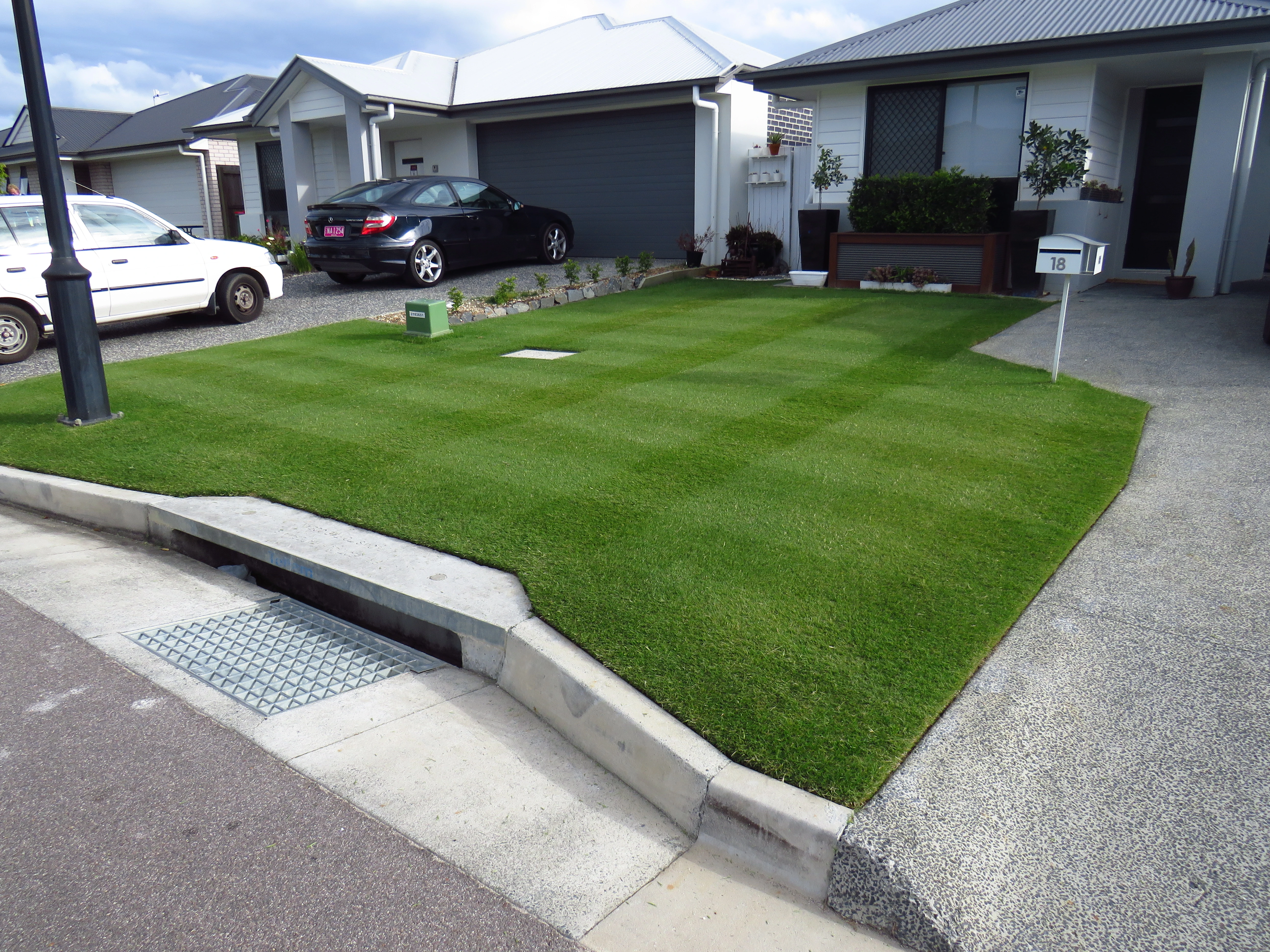 Simon's Lawn Care Routine
A consistent liquid lawn care program focused on soil health, nutrition and vibrant colour.
Read more
Simon's Lawn Care Routine
A consistent liquid lawn care program focused on soil health, nutrition and vibrant colour.
Read more
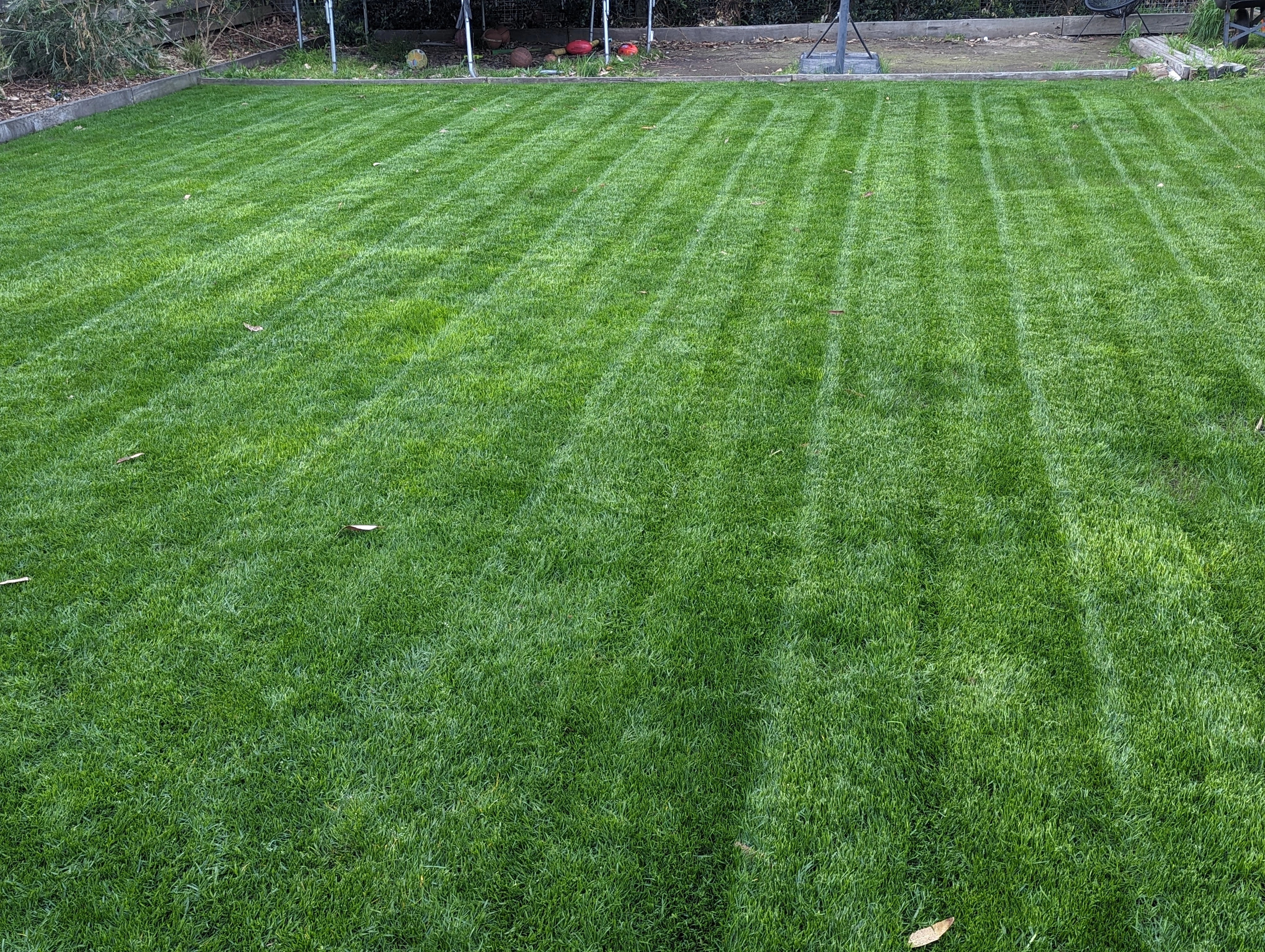 Jono's Kikuyu Overseeding Transformation
A detailed lawn care routine supporting an overseeded Kikuyu lawn at a 15 mm height of cut.
Read more
Jono's Kikuyu Overseeding Transformation
A detailed lawn care routine supporting an overseeded Kikuyu lawn at a 15 mm height of cut.
Read more
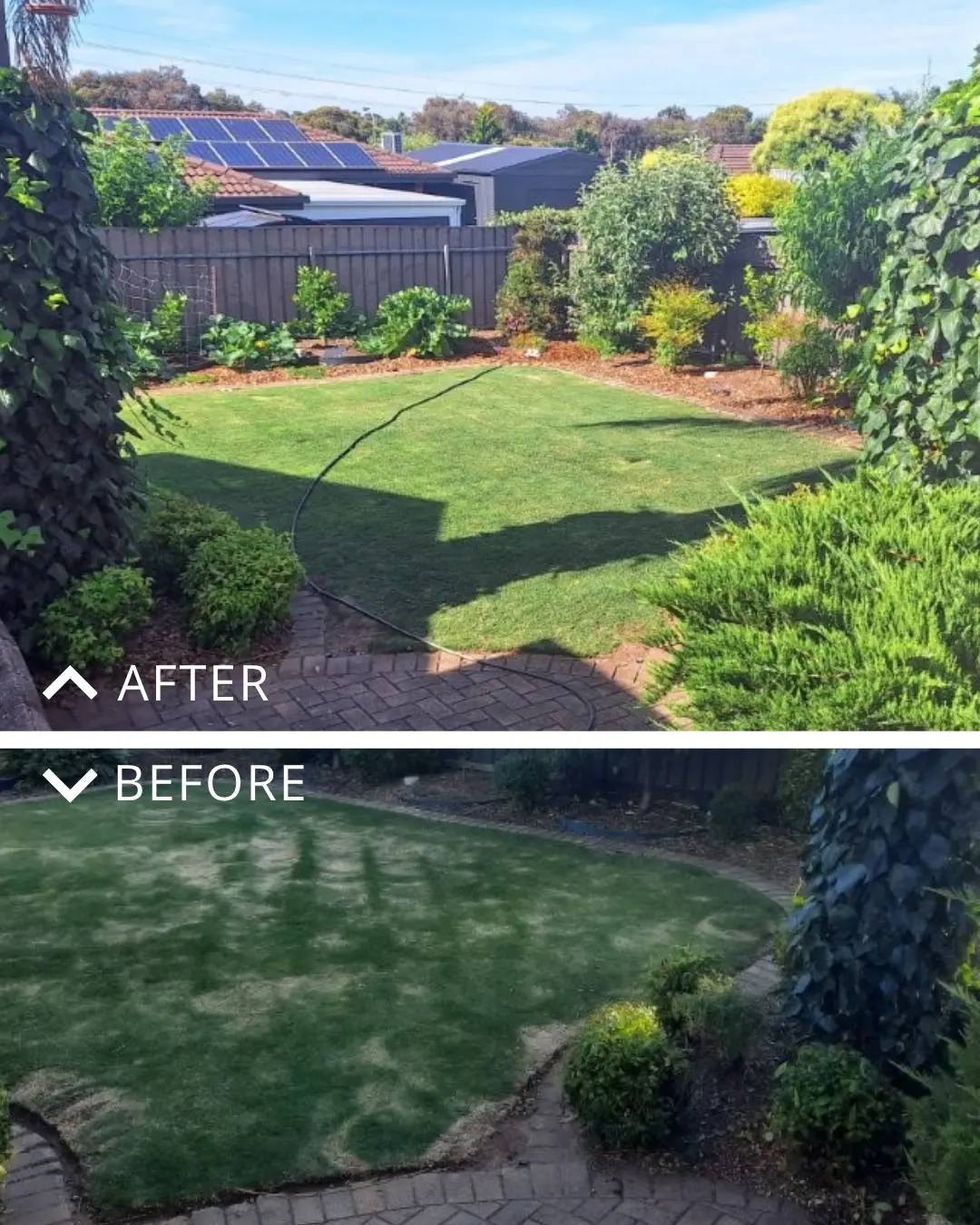 Ian's Lawn Transformation: Reviving a Patchy Lawn with Better Soil Health and Targeted Lawn Care
A recovery-focused lawn care program using soil improvement, biostimulants and seasonal lawn nutrition.
Read more
Ian's Lawn Transformation: Reviving a Patchy Lawn with Better Soil Health and Targeted Lawn Care
A recovery-focused lawn care program using soil improvement, biostimulants and seasonal lawn nutrition.
Read more

Money Back Guarantee
Put your mind at ease with our 100% 90 day money back guarantee

Australian Owned
Australian family owned and operated. Online sales since 2009.

Flat Rate Shipping
Flat-rate shipping from $9.95* Fast and affordable!
$9.95 orders under 1kg/1L • $14.95 orders up to 50kg • $49.95 orders over 50kg.
Does not include express. Some location exclusions apply.
View shipping policy for more info

FAST Dispatch
Quick and reliable dispatch Australia-wide*
*Monday - Friday (Excludes Public Holidays)
First time owning lawn. Gave the team at plant doctor a ring and they supplied me with a wealth of information. Products turned up quickly.
Will definitely be getting more 8 weeks difference been using stimulizer, activ8mate, soil wetter, seaweed secrets and champion fertiliser. Was super fast delivery.
Only have great things to say about Plant Doctor. Organic products and a competitive price, fast shipping and easy to contact with questions. Have had great results with the special mix for lawns, and my plants (indoor and outdoor) love the seaweed secrets. I am excited to test out some of the animal products soon!

Sign-up for exclusive deals and the latest news.