
Fertilising your pride and joy
Spring might be the season of mowing, maintenance and mulching, but winter is just as important for keeping lawns and gardens healthy and thriving. Many people believe that everything in the yard is dormant during winter, and while this is true for some areas in Australia, most regions don’t get cold enough for this to happen.
Like any other plant, your lawn needs oxygen, water, sunlight, and nutrients to survive through the cooler months. So, if your soil is lacking any of these basic elements, it won’t be able to perform to its fullest potential which is where fertilisers can be used to help replace missing nutrients.
 General upkeep 101
Plants, lawns and soil microbes still need feeding and nourishment to ensure they remain healthy, but if you continue conditioning the soil during the cooler months, you’ll notice your plants and lawn will show a higher resistance to disease, pest attacks and will be less affected by heat and cold stress.
Lawn maintenance doesn’t have to be overly complicated. Just make sure you have the first winter fertiliser applied before the cooler temps kick in – this is usually in May. The three key macro-nutrients your lawn will need to thrive are nitrogen, phosphorus and potassium, also known as NPK.
Granular fertilisers
Granular fertilisers are a popular option for most gardeners during the cooler seasons, because they’re easy to apply and are usually available as a slow release, delivering nutrients to the lawn over a longer period of time.
They are best applied between three to five times a year – once in spring, summer, and autumn.
Liquid Fertilisers
For quicker results, Liquid fertilisers are your go to, as they are easily absorbed into the leaf blades of grass. They are best applied to a lawn using a knapsack or pressure sprayer and can be applied more frequently, as they are absorbed and used by the plant faster.
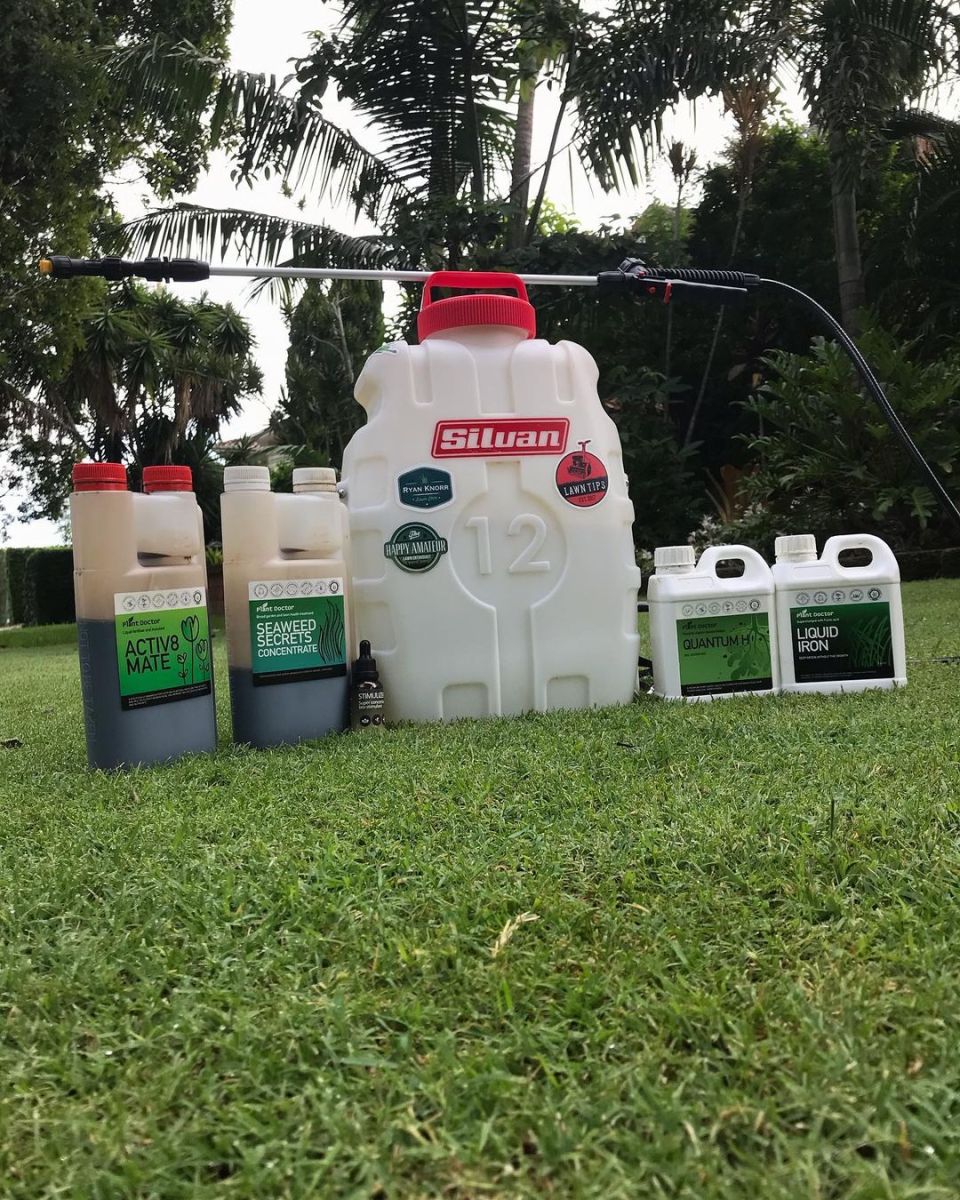
Because each soil type is different, some lawns may require more fertilising while others will need less. Knowing your soil’s Ph levels and nutrient deficiency is very important and can be achieved by getting a soil test done. In dry regions a good soil wetter, such as our Nature's Soil Wetter is good to ensure water penetrates the soil easily when it's watered or when it rains.
Winter Lawn Care
As the weather starts to cool down, our lawns start to slow down for the season.
When it comes to winter lawn preparation, here a few things that you can do to maintain the overall health of your lawn and soil.
- Raise the height of cut of your lawn as this will increase the surface area of the leaf which will allow more photosynthesis, creating a healthier turf over winter.
- Reducing mowing frequency will definitely help as mowing obviously takes off part of the leaf, which takes nutrients from the plant and puts the lawn under more stress. This is one of the reasons why we fertilise the lawn - to replace those lost nutrients. But during winter, you don’t need to fertilise as much. So, limiting the mowing frequency is important.
- You can also reduce watering the lawn. During winter the weather is obviously cooler, and the evaporation levels are far lower than the warmer months. Meaning that the lawn and soil requires less watering than usual.
- Winter offers an ideal opportunity to take a look at the soil profile and make adjustments if necessary while the grass is not actively growing. If the soil profile is largely made of clay, try adding some Liquid Gypsum, which will help break it down. You can also try adding Lime or Sulphur to adjust the Ph levels accordingly.
- Add a good quality soil conditioner that feeds the microbes to your product list. Humic Acid and Fulvic Acid are excellent at maintaining soil health.
- Using a good quality seaweed product like Seaweed Secrets, will help plants, lawns and the soil cope with frost, heat, stress and increase tolerance.

Leave a comment