
Seasonal Produce in Australia
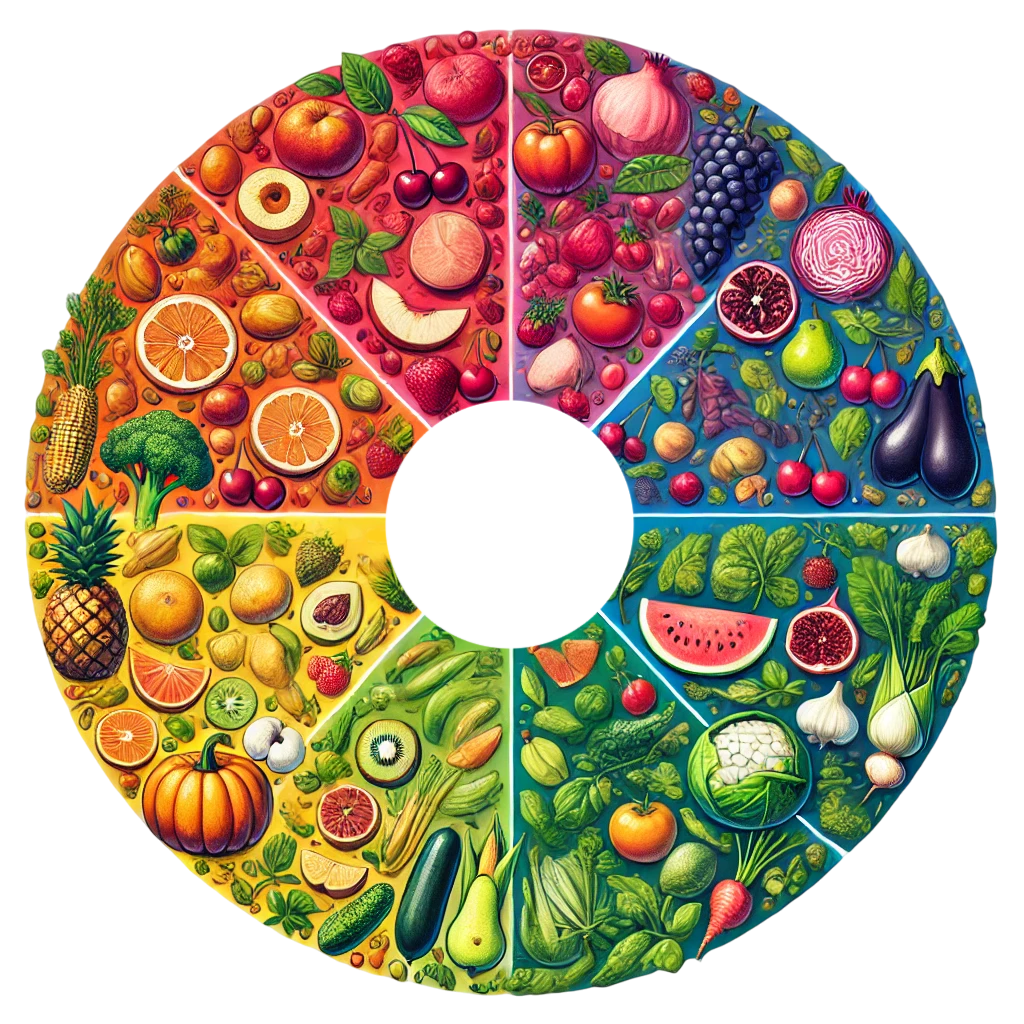
Australia’s gardens are as diverse as its landscapes. Whether you’re nurturing a modest urban plot, a sprawling backyard, or a vertical garden on a balcony, knowing the right time to plant your fruits, vegetables, and herbs is key to enjoying a bountiful harvest throughout the year. This guide will take you through the ins and outs of seasonal planting across Australia’s various climate zones—from the temperate regions along the coast to the arid outback—and provide tips on everything from hydroponics to effective garden planning.
Why Seasonal Planting Matters
Gardening in Australia can be a rewarding adventure, but for many beginner growers, understanding the timing of planting can seem daunting. When everything is planted at once, you risk being overwhelmed by an excess harvest that might go to waste. Instead, spreading your crops across the seasons ensures a steady supply of fresh produce while making the most of Australia’s unique weather patterns. With careful planning, you’ll find that every month holds the promise of new growth and delicious harvests.
Seasonal planting helps you avoid overloading your garden with produce that matures simultaneously, saving you time, effort, and money. By following a detailed calendar based on your region’s climate, you can plant each fruit, vegetable, and herb at its optimum time. This not only maximises your yields but also ensures that you have something to look forward to every season.

Understanding Australia’s Diverse Climates
Australia is not one uniform garden—its vast land is divided into several distinct climate zones. Recognizing which climate you live in is essential for determining what grows best in your garden and when. Let’s explore the five main climate regions and what they mean for your planting schedule
- Temperate Regions
Covering most of Australia’s population centres—from Perth and Adelaide to Sydney, Melbourne, and coastal areas of New South Wales—the temperate zone is known for its warm summers and cool winters. - Cool/Mountainous Regions
For those living in highland areas of New South Wales, Victoria, or Tasmania, the weather can be more challenging with frosts and even snowfall in winter. Gardens in these areas must adapt to a shorter growing season with cooler temperatures. - Sub-tropical Regions
Sub-tropical areas (extending from the Northern Rivers of New South Wales through to Brisbane and South East Queensland) enjoy warm, humid summers and mild, dry winters. This climate offers a long growing season with the opportunity to cultivate a vast variety of produce. - Tropical Regions
In the tropical parts of Australia—including Darwin, northern Queensland, and parts of the Northern Territory—the weather remains warm year-round with intense humidity during the summer months. Gardens here must cope with both heat and high rainfall. - Arid Regions
In Australia’s arid regions, including the outback and parts of the Great Dividing Range, gardens face the challenge of extreme heat, low rainfall, and occasional freezing nights. Here, planning and water conservation are paramount.
| Region | Spring | Summer | Autumn | Winter |
|---|---|---|---|---|
| Temperate Regions | This is the time to plant a wide array of fruits and vegetables such as beans, broccoli, beetroot, capsicum, cucumber, eggplant, pumpkin, radish, tomatoes, and zucchini. Fresh herbs like coriander, parsley, basil, chives, dill, sage, oregano, and thyme thrive when planted in spring. | In the heat of summer, crops like beetroot, carrots, cabbage, cauliflower, chilli, sweet corn, and more tomatoes can be grown. Summer herbs such as mint, fennel, tarragon, and gotu kola enjoy these warmer conditions. | As the temperatures begin to dip, consider planting English spinach, green beans, broad beans, and peas. Autumn is also ideal for herbs like parsley, thyme, coriander, garlic, marjoram, and oregano. | Although winter may seem challenging, it’s the season for Chinese greens (such as pak choi) and hardy herbs like mint, dill, chamomile, lavender, and lemon balm. |
| Cool/Mountainous Regions | Plant vegetables like broccoli, cabbage, cucumber, eggplant, beetroot, leek, lettuce, and tomato (after the last frost) alongside herbs such as dill, mint, oregano, basil, chives, sage, thyme, coriander, and parsley. | Despite milder summer conditions, you can still enjoy a variety of crops including lettuce, onions, beans, zucchini, pumpkin, radish, and sweet corn. Herbs such as thyme, mint, coriander, basil, and lemongrass will flourish. | This is a great time for planting beetroot, broad beans, lettuce, onions, parsnips, and potatoes. A wide range of herbs—lemongrass, thyme, marjoram, and mint—can add flavour and health benefits to your garden. | Even in the coldest months, hardy crops like radishes, broad beans, Brussels sprouts, artichoke, asparagus, and spinach can be cultivated. Winter herbs, including mint, parsley, sage, chives, curry, thyme, and dill, often survive with a little extra care. |
| Sub-tropical Regions | Plant radishes, parsnips, beans, beetroot, broccoli, tomatoes (after frost risk subsides), cabbage, cucumber, and eggplant. Complement these with a range of herbs like thyme, sage, basil, chives, dill, mint, coriander, and parsley. | With the humidity in full swing, summer is the time for tomatoes, cucumbers, sweet corn, capsicum, onions, and celery. Fresh herbs such as mint, fennel, basil, coriander, and lemongrass add the perfect finishing touch. | As the season cools down, plant onions, peas, broad beans, lettuce, radish, shallots, broccoli, spinach, and turnips. Herb enthusiasts will enjoy rosemary, thyme, sage, winter tarragon, coriander, garlic, lavender, fennel, and marjoram. | Winter in sub-tropical regions favours cabbage, spinach, lettuce, and silver beet. Hardy herbs like lavender, oregano, chamomile, dill, lemon balm, mint, sage, sorrel, and thyme are best suited to cooler conditions. |
| Tropical Regions | Plant a variety of produce including radishes, beetroot, capsicum, zucchini, carrots, spinach, Chinese cabbage, cucumber, eggplant, chilli, lettuce, onions, rock melon, and French beans. Herbs such as basil, parsley, chives, dill, ginger, chilli, mint, and oregano will thrive. | Embrace the heat by growing capsicum, tomatoes, celery, Chinese cabbage, cucumbers, eggplant, beetroot, cauliflower, lettuce, pumpkin, radishes, and shallots. Tropical summers also welcome herbs like lemongrass, basil, mint, coriander, and tarragon. | This season is ideal for sweet potatoes, cabbage, tomatoes, broccoli, capsicum, carrots, cauliflower, parsnips, celery, and a host of other vegetables including Chinese cabbage and squash. Herbs such as coriander, parsley, basil, garlic chives, marjoram, oregano, and thyme round out the autumn garden. | Even in the tropical winter, you can grow spinach, broccoli, carrots, eggplant, cauliflower, cucumbers, peas, pumpkins, and cabbages. Winter herbs including mint, oregano, parsley, dill, garlic, sage, thyme, Thai coriander, and marjoram are perfect for the milder season. |
| Arid Regions | With spring’s arrival, it’s time to plant capsicum, onions, beans, radishes, and sweet corn. Most other crops should be planted during this season to avoid the scorching heat. | In the peak heat of summer, planting is best kept to heat-tolerant crops like melons, chillies, pawpaw, rosella, and okra. Give these plants a deep watering in the early morning to help them cope with the heat. Late summer is also suitable for capsicum and eggplant. | Autumn provides a welcome respite. Plant broad beans, spring onions, cauliflower, onions, peas, lettuce, radish, shallots, spinach, broccoli, Brussels sprouts, tomatoes, and turnips. Hardy herbs such as mint, parsley, sage, rosemary, thyme, coriander, and dill can also be introduced. | In winter, when the nights can get chilly, carrots, pumpkin, radish, rhubarb, artichoke, broccoli, asparagus, broad beans, beetroot, cabbage, lettuce, onions, parsnip, peas, spinach, potatoes, and silver beet are ideal. Choose cold-hardy herbs like chives, mint, parsley, oregano, sage, and thyme and consider growing them indoors or in sheltered areas. |
Vertical Gardens and Hydroponics: Maximising Small Spaces
Not everyone has the luxury of a sprawling backyard. For those working with limited space, vertical gardens and hydroponic systems offer a smart solution. By growing up rather than out, you can maximise your growing area and enjoy a high yield of fresh produce, even in small urban settings. Many plants adapt very well to hydroponic systems and vertical gardening setups. Here are some favourites:
| Plant | Benefits |
|---|---|
| Lettuce & Leafy Greens | Fast growth rates; can be ready to harvest in as little as three weeks when grown hydroponically. |
| Spring Onions | Packed with vitamins; flourish in vertical gardens and can be harvested within 3-4 weeks. |
| Herbs (Basil, Parsley, Chives, Dill) | Grow rapidly in vertical systems; controlled environments allow for continuous harvest year-round. |
| Tomatoes | More demanding but thrive in hydroponics with the right care and conditions. |
| Strawberries | Love full sun and make a perfect addition to a vertical garden for those with limited ground space. |
| Spinach & Beetroot | Spinach matures in just two weeks after transplanting; beetroot benefits from a hydroponic setup using coco coir. |
| Blueberries & Cucumber | Blueberries require an acidic medium; cucumbers have a typical harvest period of around 50 days. |
| Kale & Ferns | Kale grows best with a neutral pH, which is easier to achieve in hydroponics; ferns thrive in vertical gardens due to their adaptability to humidity. |
| Succulents | Perfect for small spaces, adding a decorative touch while being easy to care for. |
Vertical gardening not only saves space but also makes harvesting easier and can be a stylish feature in any modern garden. With the right setup, even city dwellers can enjoy a homegrown harvest.
Planning Your Vegetable Crops: A Year-Round Affair
Vegetable growing is not just a seasonal hobby—it’s a year-round commitment that evolves with nature’s cues. Whether you’re an experienced grower or just starting out, planning your garden thoughtfully can save you heartache and improve your harvest.
Vegetables are typically divided into two main categories:
- Summer Vegetables: These crops, which include tomatoes, beans, and cucumbers, are planted in the spring and produce during the warmer months. They require ample sunlight and warmth to thrive.
- Winter Vegetables: Crops like broccoli, cauliflower, and garlic are planted in autumn and are suited to cooler weather. These hardy vegetables often have a shorter growing period, so careful timing is essential.
Some vegetables, like lettuce, peas, and spring onions, are versatile enough to be grown throughout the year, particularly in warm-temperate climates. In fact, gardeners in regions such as Melbourne can even enjoy snow peas all year round thanks to the relatively mild winters.
Annuals Versus Perennials
| Type | Description |
|---|---|
| Annual Vegetables | Most summer and winter vegetables are annuals, meaning they complete their life cycle in one season or two. You must replant these each year to enjoy fresh produce. |
| Perennial Vegetables | These crops, such as asparagus and rhubarb, will continue to produce year after year once established, reducing the workload of annual replanting. |
A key decision in vegetable gardening is whether to sow seeds directly into the garden or to start seedlings in pots and transplant them later. Both methods have their advantages:
- Direct Sowing: This method is cost-effective and straightforward. However, it requires close attention to timing and weather conditions.
- Seedlings and Transplanting: Starting seeds indoors or in seedling trays can give you a head start on the growing season. Although more expensive and sometimes a bit stressful on the plants during transplanting, this method can be especially effective for crops that are sensitive to frost.
To ensure that your garden provides a continuous harvest, consider employing succession planting. This involves sowing small amounts of seeds every few weeks rather than planting everything at once. By doing so, you extend your harvest period, particularly for crops like peas, sweet corn, and lettuce.
Consistent record keeping is crucial—maintain a planting diary to note which crops perform best and when they reach peak production. Over time, you might even develop your own phenological calendar, noting natural cues such as the flowering of the Silver Wattle (Acacia dealbata) to signal the optimal time to sow tomato seeds.
Garden Layout and Ongoing Care
A well-planned vegetable garden is about more than just knowing when to plant. The layout and ongoing care of your garden are just as critical to ensuring a healthy, productive crop. Decide early on whether you’re a fan of neat, orderly rows or if you prefer a more organic, chaotic approach that mirrors nature. Consider these factors:
| Factor | Considerations |
|---|---|
| Spacing | Ensure that plants have adequate space to grow and access sunlight. Overcrowding can lead to competition for nutrients and increased vulnerability to pests. |
| Trellises and Supports | Some vegetables, particularly climbing varieties like peas and telephone peas, require support. Installing trellises not only improves air circulation but also makes harvesting easier. |
| Microclimates | Use garden features such as fences, walls, or even strategic placement of taller plants to create microclimates that can protect sensitive crops from harsh weather. |
Watering, Mulching, and Soil Care
Water is the lifeblood of your vegetable garden. Vegetables are generally thirsty, so frequent monitoring is essential. The “finger test” is a simple method: insert your finger into the soil to check for moisture. Adjust your watering schedule based on recent rainfall, temperature, wind, and soil type. Mulching is another crucial practice. While opinions on mulching vary, in the right circumstances it can conserve moisture and reduce weed growth. Be cautious about the type of mulch you choose—avoid mulches like sugar cane mulch if they attract pests such as slugs. Speaking of Pests! Regular inspection of your crops is key to catching pest infestations or diseases early. The best defense is often a combination of preventive measures, including:
- Crop Rotation: Helps prevent soil depletion and disrupts pest life cycles.
- Organic Pesticides: Can be used as a natural alternative to chemical sprays.
- Companion Planting: Certain plants help repel pests or attract beneficial insects.
Each season may bring its own challenges—from frost in cool climates to drought in arid regions—so adapt your care routines accordingly.
Tips for New Gardeners and Seasoned Growers Alike
No matter where you are on your gardening journey, a few best practices can help make the process more enjoyable and successful.
Embrace Trial and Error
Even the most seasoned gardeners learn through experimentation. Each year offers a new opportunity to refine your techniques, try new varieties, and adjust your schedule based on weather patterns. Document your successes and challenges to build a personalised guide for future seasons.
Choose the Right Varieties
Not all fruits and vegetables are created equal. Some varieties are more resistant to disease, more suited to your local climate, or even tastier than others. Spend time researching which varieties have proven successful in your region, and consider seeking advice from your local garden centre for personalised recommendations.
Start Small and Scale Up
If you’re new to gardening or working with limited space, it’s wise to begin with a modest selection of crops—perhaps focusing on fast-growing leafy greens like lettuce and spinach, along with culinary herbs. As your confidence and experience grow, you can expand your garden to include a broader range of vegetables and fruits.
Seasonal Planting for the Long-Term Harvest
Timing is everything. By aligning your planting schedule with the natural cycles of the seasons, you’ll not only optimise the growth of your crops but also avoid the pitfalls of over-planting.
- For instance, implementing a “one zucchini plant” rule can prevent you from being overwhelmed by an excess of one particular crop.
- Instead, embrace diversity and succession planting to keep your garden productive year after year.
Vertical Gardening and Hydroponic Innovations
For urban gardeners or those with limited space, the integration of vertical gardening or hydroponic systems can revolutionise your growing experience. These systems not only maximise your available space but also create controlled environments that can lead to faster growth and more efficient water use. Experiment with a vertical garden setup for herbs, leafy greens, and even fruits like strawberries, and see how a little innovation can transform your garden.
Bringing It All Together: Your Year-Round Australian Garden
Australia’s rich diversity of climates means that there is always something growing somewhere. From the warm, extended growing seasons in temperate regions to the rapid growth cycles possible in tropical zones, careful planning is your ticket to a thriving garden. Whether you’re a hobbyist nurturing a small vegetable patch or an enthusiastic grower determined to maximise every inch of your space, aligning your planting schedule with the natural rhythm of the seasons is a practice that pays off.
Summary of Key Points
- Know Your Zone: Understanding whether you’re in a temperate, cool/mountainous, sub-tropical, tropical, or arid region is the first step in determining your planting calendar.
- Seasonal Timing: Each season brings unique challenges and opportunities. Plant warm-season crops in spring and summer, while cool-season vegetables take centre stage in autumn and winter.
- Vertical and Hydroponic Gardening: These innovative systems make gardening accessible in limited spaces and can provide rapid, high-yield results.
- Planning and Record Keeping: A well-planned garden, paired with diligent record keeping and a willingness to experiment, will lead to continual improvement and abundant harvests.
- Variety and Succession: Planting a diverse range of crops and using succession planting techniques ensures you have a steady, year-round supply of fresh produce.
| Climate Zone | Best Planting Practices |
|---|---|
| Temperate | Take advantage of extended growing seasons, ideal for a mix of warm and cool-season crops. |
| Cool/Mountainous | Short growing seasons—focus on frost-tolerant crops like brassicas and root vegetables. |
| Sub-Tropical | Year-round growing potential with proper timing; avoid planting heat-sensitive crops in summer. |
| Tropical | Fast-growing cycles with plenty of heat—opt for moisture-loving and heat-resistant crops. |
| Arid | Water-efficient gardening is key—focus on drought-resistant plants and mulching techniques. |
Gardening in Australia is an art form that marries science, nature, and passion. By tailoring your planting practices to suit the unique demands of your climate zone—whether temperate, cool/mountainous, sub-tropical, tropical, or arid—you not only ensure that your garden thrives but also gain a deeper appreciation for the seasonal rhythms of nature.
With careful planning, informed crop selection, and a willingness to experiment with new techniques like vertical gardening and hydroponics, you can enjoy a vibrant, year-round harvest.
Remember: Every garden is unique. Embrace the learning process, celebrate your successes, and don’t be discouraged by occasional setbacks. Each season offers fresh opportunities to innovate, adjust, and ultimately create a garden that not only feeds you but also nourishes your spirit.
From the first tender shoots of spring to the hearty vegetables of winter, may your garden be a continuous source of joy, sustenance, and beauty. This guide is designed to be your go-to resource for understanding Australia’s planting calendar. With detailed recommendations for each climate zone, you now have the tools to plan, plant, and nurture a garden that will produce fresh, delicious fruits and vegetables all year round.Whether you’re new to gardening or a seasoned pro, take these insights as a springboard for your next gardening adventure. Enjoy the process, and may your harvest be plentiful!
Gardening is all about working with nature, not against it. By planting seasonally and using the right plant care products, you’ll enjoy bigger harvests, healthier soil, and stronger plants—without the guesswork.
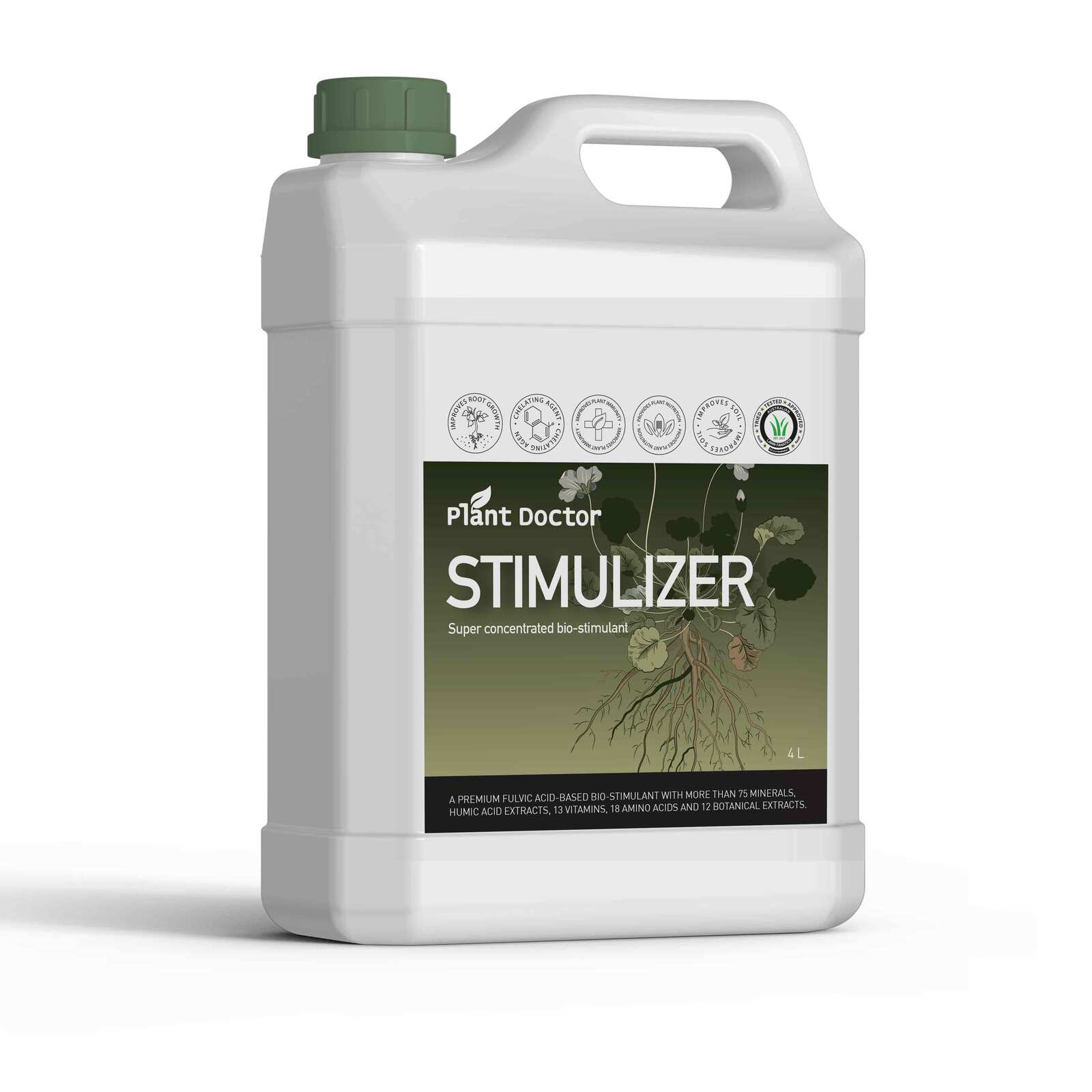
- Boost plant health with Stimulizer and Seaweed Secrets
- Improve soil structure with VolcaMin and Micronised Gypsum
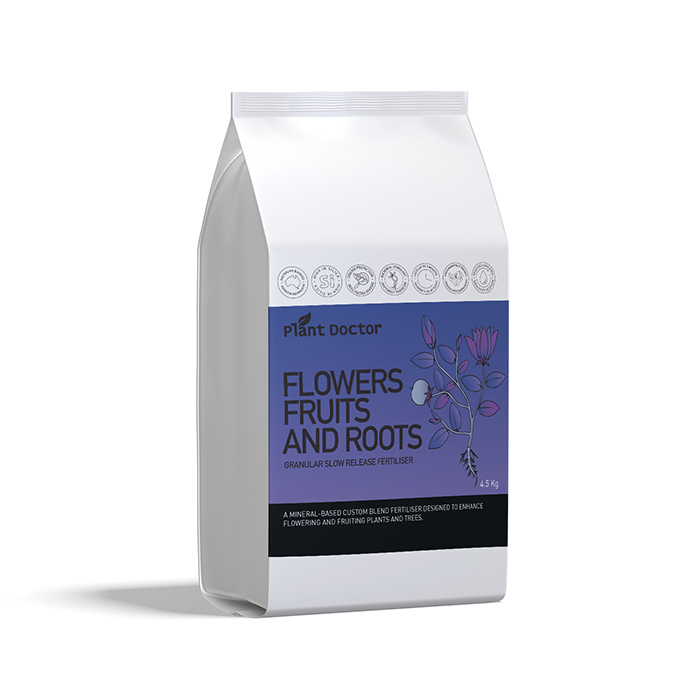
- Support fruiting and flowering with Quantum H and Flowers, Fruits & Roots
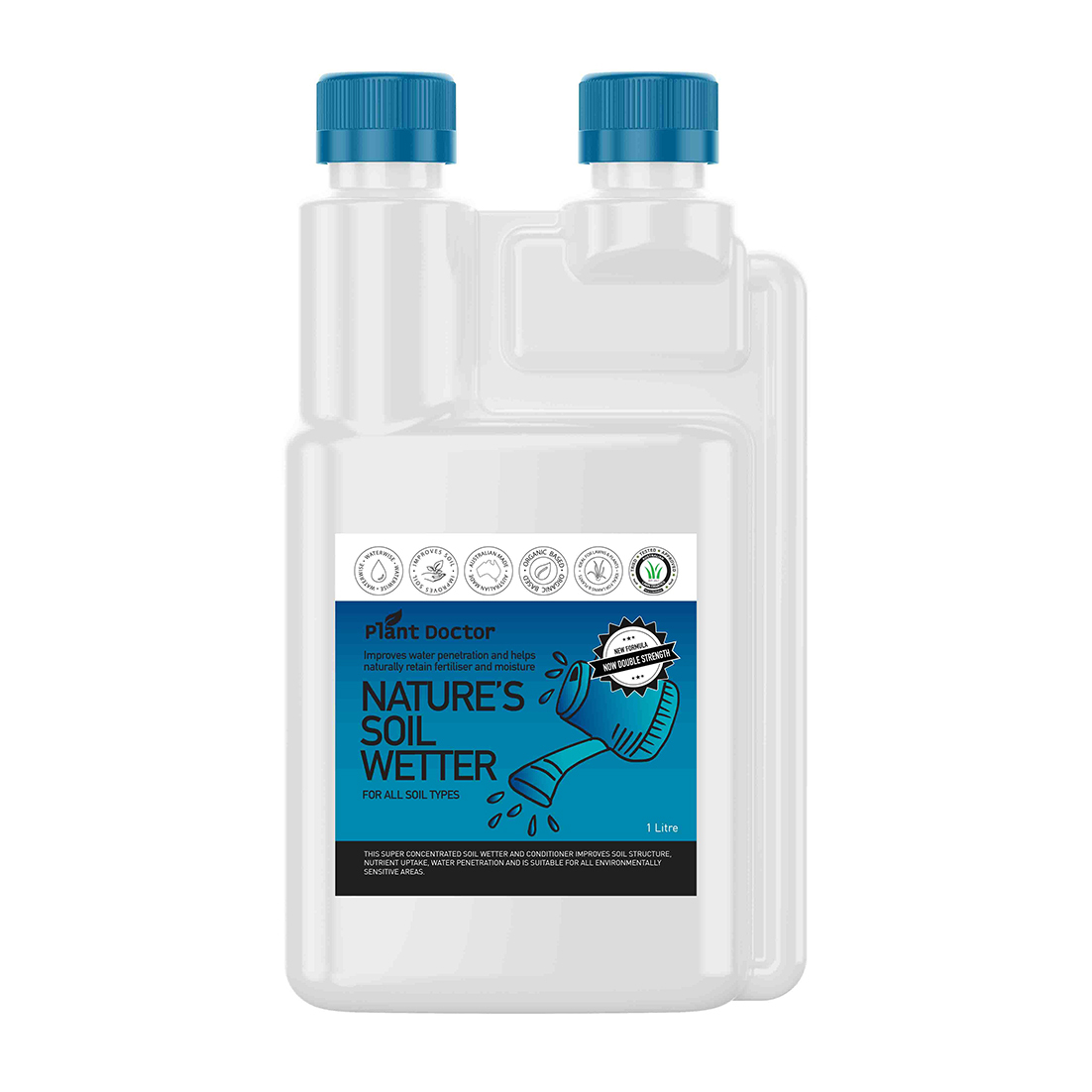
- Protect against drought with Nature’s Soil Wetter
Ready to grow smarter, not harder? Explore Plant Doctor’s range of plant nutrition and soil health products today.


Leave a comment