
Why is my lawn turning yellow? 10 common causes and what to do
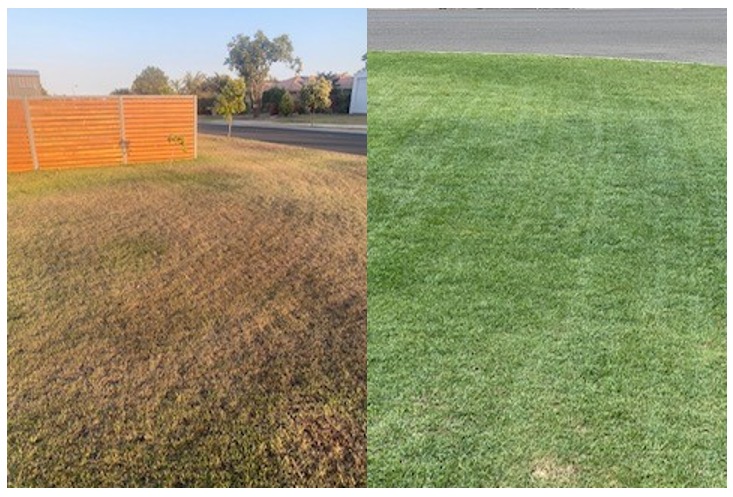 Wondering why your lawn is turning yellow? Yellow grass can be caused by many different factors, from watering and mowing problems to nutrient deficiencies, compacted soil and seasonal stress.
While fertiliser can sometimes help, it isn't always the answer. The best way to fix a yellow lawn is to work out what is causing the problem first.
Here are 10 common reasons for yellow grass and yellow patches in your lawn, plus what you can do to help your lawn recover
1. Your lawn isn't getting enough water
Water stress is one of the most common causes of yellow or dull-looking grass. When the soil becomes too dry, grass can struggle to take up enough water to support healthy growth. This is particularly common during hot and dry periods across Australia.
Check the soil before simply adding more water. If it is dry several centimetres below the surface, your lawn may need a thorough watering. Watering requirements will vary depending on your grass variety, soil type, rainfall and local conditions.
If water is running off rather than soaking into the soil, however, there could be another issue at play.
Plant Doctor tip: If your soil is struggling to absorb water evenly, Nature's Soil Wetter can be incorporated into a lawn care program to help improve water penetration and distribution through the soil.
2. You're watering too much
Yellow grass doesn't always mean your lawn needs more water.
Overwatering can leave soil constantly saturated, reducing the oxygen available around the roots. Poor drainage can create similar conditions. If your lawn remains wet for extended periods or yellowing is occurring in areas with poor drainage, investigate the soil before increasing your watering.
The goal isn't to keep your lawn constantly wet. It is to provide the moisture your turf needs while allowing the soil to drain and breathe.
3. Your lawn needs nutrients
Grass needs a range of nutrients for healthy growth. If nutrients are lacking, your lawn may become pale, yellow or thin.
Nitrogen is particularly important for healthy leaf growth and colour, but it isn't the only nutrient your lawn needs. Other nutrients and trace elements also play important roles.
If nutrition is the likely cause, an appropriate lawn fertiliser can help replenish nutrients.
Plant Doctor tip: Activ8EXTRA is a boosted liquid fertiliser containing nitrogen, phosphorus, potassium and trace elements, along with seaweed, fish, blood and bone, humic and fulvic substances. It can form part of a regular lawn nutrition program when your turf needs additional nutrients. For a broader granular feeding approach, CHAMPION Lawn & Fairway 15-3-9 provides a balanced NPK fertiliser with a slower-release component designed for lawn and turf applications.
Remember: applying more fertiliser isn't necessarily better. Always follow the product directions and consider what your lawn actually needs.
4. Your soil is compacted
If your lawn is yellow despite receiving adequate water and sunlight, compacted soil could be contributing to the problem.
Compaction occurs when soil particles become pressed together, reducing the spaces available for air, water and roots. This can make it more difficult for grass roots to access moisture and nutrients.
Heavy clay soils are particularly prone to compaction, while high-traffic areas can also become compacted over time.
Plant Doctor tip: Micronised Gypsum Liquid Clay Buster can be used as part of a soil management program where clay-related soil issues are present. Gypsum is commonly used to help improve the structure of suitable clay soils. However, gypsum isn't a universal solution for every compacted lawn. If you're unsure whether your soil is actually clay-affected, testing your soil first is a better approach.
5. Your soil pH is affecting nutrient availability
Sometimes nutrients are present in the soil but aren't readily available to the plant.
Soil pH influences nutrient availability, meaning that a pH imbalance can contribute to poor growth or yellowing even when you are applying fertiliser. If your lawn repeatedly looks pale despite appropriate watering and feeding, consider testing your soil rather than continuing to add more fertiliser.
A soil test can give you a clearer picture of pH and nutrient levels and help you decide what your lawn actually needs.
6. Your lawn isn't getting enough sunlight
Grass needs sunlight to produce the energy required for healthy growth.
If yellowing is concentrated underneath trees, alongside buildings or in other shaded areas, insufficient sunlight could be the problem.
Different turf varieties have different shade tolerances, so consider whether your grass is suited to the amount of sunlight it receives.
In some situations, improving light exposure or selecting a more suitable turf variety will make a bigger difference than adding fertiliser.
7. Mowing too short is stressing your grass
Cutting your grass too short can put it under unnecessary stress.
Removing too much leaf at once reduces the plant's ability to photosynthesise and can make it more vulnerable to heat, drought and other stresses.
Try to maintain the recommended mowing height for your particular turf variety and avoid removing excessive amounts of leaf in one mow.
A sharp mower blade is important too. A clean cut is preferable to tearing the grass with a blunt blade.
8. Your lawn is recovering from heat or weather stress
Australian lawns can experience some pretty challenging conditions.
Extreme heat, prolonged dry weather, heavy rainfall, flooding and sudden changes in weather can all affect grass colour and growth.
Before reaching for fertiliser, consider what your lawn has experienced recently.
Supporting the soil and plant with good nutrition, appropriate watering and consistent lawn care can help maintain healthier growing conditions.
Plant Doctor tip: Seaweed Secrets can be incorporated into a lawn care routine as a source of seaweed, minerals, amino acids and humic and fulvic substances. It isn't a replacement for fertiliser, but can complement a broader soil and plant care program.
9. Pests or lawn diseases could be involved
If you have yellow patches in your lawn that have appeared suddenly or are continuing to spread, pests or disease could be responsible.
Look closely at the affected grass and surrounding soil. Check for damaged roots, unusual insects, fungal growth or changes to the grass blades.
Pest, disease, nutrient and watering problems can sometimes produce similar symptoms, so avoid automatically treating yellow patches with fertiliser without identifying the likely cause.
If you're unsure, take a close-up photograph of the affected area and seek advice from a turf or horticulture professional.
10. Your lawn may simply be responding to the season
Grass doesn't grow at the same rate throughout the year.
Temperature, rainfall, daylight hours and grass variety all affect lawn colour and growth. Warm-season grasses can naturally slow down as temperatures change, while periods of heat or cold can also affect colour.
If your lawn is otherwise healthy but has become less vibrant as the seasons change, seasonal growth may be contributing to the change.
Understanding your turf variety and its normal seasonal behaviour can help you distinguish between natural changes and an actual lawn problem.
How to Fix Yellow Grass
The right way to fix yellow grass depends on why it has turned yellow. Before applying anything, check:
- Is the soil too dry or staying constantly wet?
- Has the lawn recently experienced heat, drought, heavy rain or flooding?
- Is it being mowed at the right height?
- Does the area receive enough sunlight?
- Is the soil compacted?
- Could soil pH be affecting nutrient availability?
- Is your lawn receiving appropriate nutrition?
- Are there signs of pests or disease?
Once you've identified the likely cause, you can choose the right approach.
For example, Activ8EXTRA or CHAMPION Lawn & Fairway may be appropriate when your lawn needs additional nutrition. If clay-related soil issues are contributing to poor growing conditions, Micronised Gypsum Liquid Clay Buster may be worth considering. For lawns struggling with water penetration, Nature's Soil Wetter can form part of a soil management routine, while Seaweed Secrets can complement a broader lawn and soil care program. The important thing is to use the right product for the right problem.
What Should I Put on Yellow Grass?
There isn't one product that will fix every yellow lawn.
If the problem is nutritional, a suitable fertiliser may help. If the issue is compacted or clay-affected soil, improving the soil may be more important. If the lawn is dry, your watering practices need to be addressed. And if the yellowing is caused by pests, disease or insufficient sunlight, fertiliser alone won't solve the underlying problem.
Think routine, not more.
A healthy lawn comes from getting the fundamentals right: appropriate mowing, watering, nutrition, sunlight and soil conditions.
Start With Your Soil
If your lawn keeps turning yellow despite regular care, it may be time to look beneath the grass. Healthy roots depend on a suitable growing environment, and soil structure, moisture, pH and nutrient availability can all influence lawn performance. Instead of chasing green colour with more and more fertiliser, identify what your lawn is actually missing and build your lawn care routine around that. With the right approach, you can give your grass a healthier foundation and work towards a thicker, greener and more resilient lawn.
Still wondering what's causing your yellow lawn? Explore the Plant Doctor range for lawn fertilisers, soil conditioners and plant-support products designed to help you build a more complete lawn care routine.
Products in this article
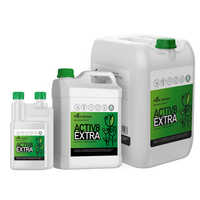
Activ8EXTRA High Nitrogen Liquid Lawn Fertiliser & Plant Growth Booster
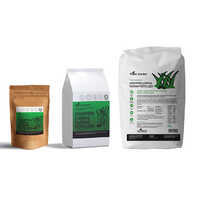
CHAMPION Lawn & Fairway - Slow release granular fertiliser
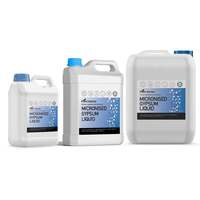
Micronised Gypsum Liquid Premium Clay Buster
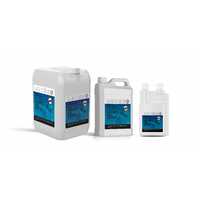
Nature's Soil Wetter - Liquid Soil Conditioner & Wetting Agent
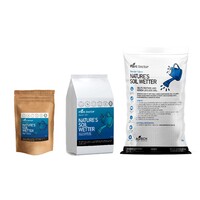
Nature's Soil Wetter granules - Natural mineral infused with plant-derived non-petrochemical surfactant
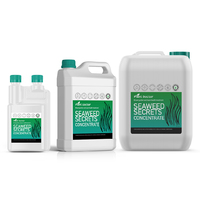
Seaweed Secrets | Concentrated Liquid Seaweed (Kelp) | Super-Boosted with Humic & Fulvic Acid

Leave a comment