
Soil pH Explained: Why It Matters for Healthy Lawns, Gardens and Plants
You can feed your lawn and garden with the best fertilisers available, but if soil pH is out of balance, plants may never et the nutrients that they need.
When most gardeners think about improving plant growth, the first thing that comes to mind is fertiliser. More nitrogen for greener lawns. More nutrients for bigger flowers. More feeding for healthier vegetables. But what if your soil already contains many of the nutrients your plants need?
What if the problem isn’t a lack of nutrients — but your plants’ ability to access them?
This is where soil pH becomes important. Soil pH is one of the most overlooked factors affecting plant health. It influences nutrient availability, microbial activity, root development and the overall growing environment beneath your lawn and garden. You can apply the highest quality fertilisers available, but if your soil pH is significantly out of balance, your plants may struggle to absorb and use those nutrients effectively.
What Is Soil pH?
Soil pH is a measurement of how acidic or alkaline your soil is. The pH scale ranges from 0 to 14:
- Below 7Acidic
- pH 7Neutral
- Above 7Alkaline
Most lawns, vegetables and ornamental plants prefer soil that is slightly acidic to neutral, generally between around pH 6.0 and 7.0. However, the ideal soil pH depends on the specific plant species you are growing.
| Plant Type | Preferred Soil pH |
|---|---|
| Lawns | Slightly acidic soils |
| Vegetables | Near-neutral pH |
| Blueberries & azaleas | More acidic conditions |
The goal isn’t always to make your soil neutral. The goal is to create the right environment for the plants you are growing.
Why Does Soil pH Matter?
Soil pH plays a major role in determining how available nutrients are to plants. This is sometimes called nutrient availability. Plants require essential nutrients including:
- Nitrogen
- Phosphorus
- Potassium
- Calcium
- Magnesium
- Sulphur
- Iron
- Zinc
- Manganese
These nutrients may be present in the soil, but their availability changes depending on soil pH. When soil pH is within the ideal range, nutrients are generally more accessible to plant roots. When soil becomes too acidic or too alkaline, certain nutrients can become less available, meaning plants may show symptoms of deficiency even when nutrients are technically present in the soil.
| Soil Condition | Nutrients That Become Less Available |
|---|---|
| Highly acidic soils | Phosphorus, calcium and magnesium |
| Highly alkaline soils | Iron, zinc and manganese |
This is why simply adding more fertiliser isn’t always the answer. Sometimes the solution is improving the soil environment so plants can actually use the nutrients already there.
What Causes Soil pH to Change?
Soil pH is not fixed. Over time, many natural and environmental factors can influence your soil’s acidity or alkalinity.
| Factor | How It Affects Soil pH |
|---|---|
| Rainfall & irrigation | Rainwater can leach calcium and magnesium, gradually making soils more acidic. Alkaline irrigation water can also influence pH. |
| Fertiliser use | Ammonium-based nitrogen fertilisers can contribute to soil acidity when used regularly. They’re still valuable tools, ongoing soil management just matters. |
| Organic matter breakdown | As organic matter decomposes, it releases organic acids that influence soil chemistry. This is a natural part of healthy soil processes. |
Different soil types naturally have different pH characteristics.
| Soil Type | What to Know |
|---|---|
| Sandy soils | Often have less buffering capacity and can change more quickly |
| Clay soils | Hold onto minerals more strongly and may need different management |
| Limestone / alkaline soils | May naturally have a higher pH |
Understanding your soil type can help you make better decisions when improving soil health.
How Do You Know If Your Soil pH Is Too High or Too Low?
The most accurate way to understand your soil pH is with a soil test. However, plants can sometimes provide clues that your soil conditions may not be ideal.
| Possible Signs of Low pH | Possible Signs of High pH |
|---|---|
| Poor overall plant growth | Yellowing between leaf veins |
| Reduced nutrient uptake | Poor growth despite fertilising |
| Yellowing leaves | Iron deficiency symptoms |
| Weak root development | Reduced micronutrient availability |
| Increased moss growth in lawns |
How to Improve Soil pH
The right approach depends on whether your soil is too acidic or too alkaline. In Australian gardens and lawns, the most common adjustment is raising soil pH in acidic soils. This is where products like lime and dolomite can help.
Garden Lime: Raising Soil pH: Garden lime is one of the most common soil amendments used to increase soil pH. It is made primarily from calcium carbonate, which reacts with acidic components in soil to help neutralise acidity. By increasing soil pH, lime can help create conditions where nutrients become more available to plants.
| Garden Lime Benefits |
|---|
| Improves nutrient availability |
| Supports healthier root growth |
| Reduces soil acidity |
| Improves growing conditions for many plants |
However, lime should not be applied simply because it is popular. Adding too much lime can push soil pH too high, which can create its own nutrient availability problems. The best approach is to understand your current soil conditions and apply only what your soil requires.
Dolomite Lime: Calcium + Magnesium Support: Dolomite is another commonly used soil amendment, but it differs from standard lime. While lime mainly provides calcium, dolomite contains both: Calcium and Magnesium. Magnesium is an important plant nutrient because it forms the central component of chlorophyll — the pigment responsible for green leaves and photosynthesis. Dolomite can be particularly useful when soils require pH correction while also benefiting from additional magnesium.
| What Dolomite Can Support |
|---|
| Improved soil balance |
| Healthier green growth |
| Better nutrient availability |
| Improved plant performance |
Like lime, dolomite should be applied based on soil needs rather than as a routine treatment.
Gypsum: Improving Soil Structure Without Changing pH: Gypsum is often confused with lime and dolomite, but it works differently.
The key difference? Gypsum does not significantly raise soil pH.
Instead, gypsum provides calcium and sulphur, and is commonly used to improve soil structure. This makes it particularly valuable in heavy clay soils.
| Problem in Compacted Clay | How Gypsum Helps |
|---|---|
| Poor air movement | Improves soil aggregation and structure |
| Slow water infiltration | Creates pathways for better water movement |
| Restricted root growth | Supports healthier root conditions |
| Reduced microbial activity | Creates a more favourable soil environment |
For gardeners dealing with compacted or heavy clay soils, gypsum can be an important tool for improving the physical condition of the soil.
Lime vs Dolomite vs Gypsum: What’s the Difference?
| Product | Main Purpose | Changes Soil pH? | Key Benefits |
|---|---|---|---|
| Lime | Raises acidic soil pH | Yes | Improves nutrient availability and adds calcium |
| Dolomite | Raises pH and adds magnesium | Yes | Provides calcium and magnesium support |
| Gypsum | Improves soil structure | No | Adds calcium and sulphur while improving clay soils |
Choosing the right product depends on what your soil actually needs. A soil test can help determine whether you need to adjust pH, improve structure or address nutrient balance.
Should You Test Your Soil pH?
Before reaching for lime, dolomite or gypsum, it's worth asking one simple question: Do you know what your soil actually needs?
The only reliable way to determine whether your soil is too acidic, too alkaline or within the ideal range is to test it. A soil pH test takes the guesswork out of soil improvement. It provides valuable insight into the growing environment beneath your lawn or garden, helping you choose the most appropriate soil amendment for your situation. Without testing, it's easy to apply the wrong product.
For example, adding lime or dolomite to soil that already has an adequate pH may increase alkalinity unnecessarily, potentially reducing the availability of certain nutrients. Likewise, applying gypsum when your main issue is soil acidity won't correct the underlying pH imbalance.
If you're investing time and money into fertilisers and soil conditioners, knowing your soil pH can help you get the best return from every application. For home gardeners, simple soil pH test kits can provide a useful indication of soil acidity or alkalinity. For more detailed information on nutrient levels and soil chemistry, a professional laboratory soil analysis can provide a comprehensive picture of your soil's condition.
Remember, healthy soil management isn't about applying more products, it's about applying the right products based on your soil's needs. Testing your soil is the first step towards making informed decisions that support healthier lawns, stronger gardens and better long-term plant performance.
Why Soil Health Matters Beyond pH
While soil pH is important, it is only one part of a healthy soil ecosystem. Great soil also relies on:
- Organic matter
- Beneficial microorganisms
- Good structure
- Adequate moisture
- Strong root systems
The best lawns and gardens come from creating an environment where plants can naturally thrive. This is why soil conditioners, biological products and targeted amendments all play an important role in long-term plant health.
Improving Soil Before Spring Growth
Winter is often considered a quiet time in the garden, but it can actually be one of the best times to improve your soil. While above-ground growth slows, roots continue developing and soil biology remains active. Applying soil amendments during cooler months gives them time to begin working before plants enter their stronger growth periods. By improving soil conditions ahead of spring, you create a better foundation for:
- Greener lawns
- Healthier gardens
- Stronger roots
- Better nutrient utilisation
Great growth doesn’t begin when plants start growing quickly. It begins with preparing the soil beneath them.
Final Thoughts: Build Better Soil, Grow Better Plants
Healthy plants start with healthy soil. Before adding more fertiliser, consider whether your soil environment is helping your plants make the most of those nutrients. Understanding soil pH gives you a better understanding of what is happening beneath the surface — and allows you to make smarter decisions about improving your lawn and garden. Whether you need to adjust acidity with lime or dolomite, improve clay soils with gypsum, or simply build healthier soil over time, the right approach starts with understanding what your soil needs.
Because the foundation of every great lawn and garden begins underground.
Products in this article
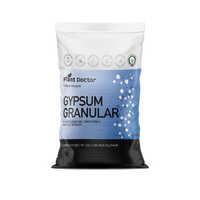
Clay Breaker Gypsum Granules 1–2mm Mini Prill for Clay Soil Improvement
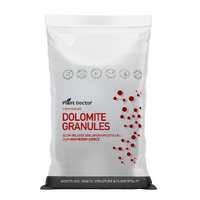
Dolomite Granules 1-2mm mini prill Granular slow release soil conditioner
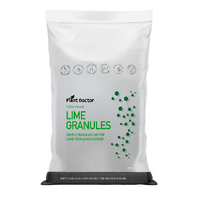
Lime Granules 1-2mm Slow Release
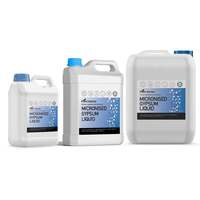
Micronised Gypsum Liquid Premium Clay Buster

Leave a comment